logo
Good price  online

products details

Home > Products >
Coating Additives
>
Dispersing Agent NNO Cas 36290-04-7

Dispersing Agent NNO Cas 36290-04-7

Brand Name: Chemfine
Detail Information
Place of Origin:
China
Highlight:

Dispersing Agent NNO coating additive

,

Dispersing Agent NNO Cas 36290-04-7

,

NNO dispersant for coatings

Product Description
Dispersing Agent NNO (CAS 36290-04-7)
Professional grade anionic surfactant with 100% disperse force for global industrial applications.
Product Introduction
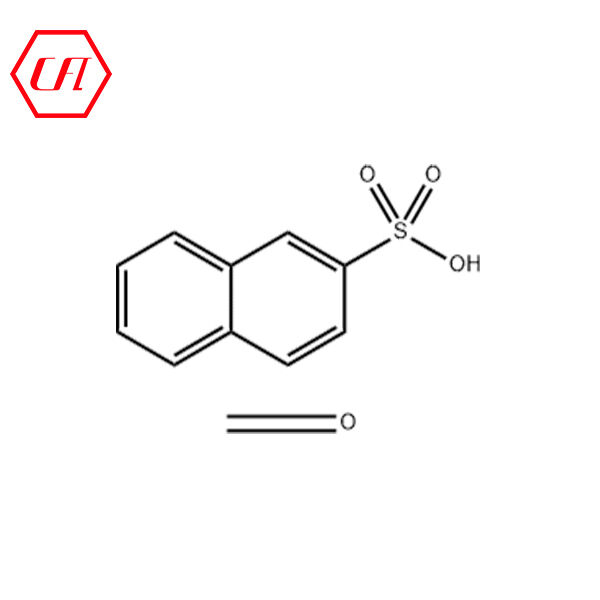
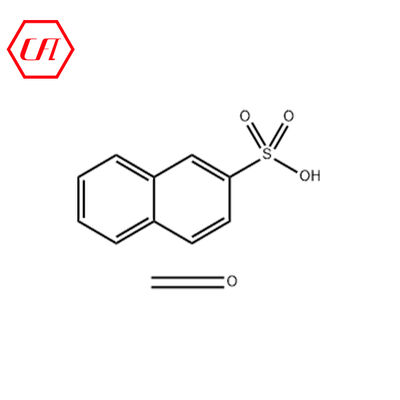
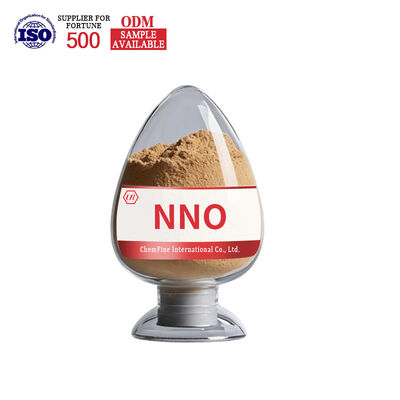
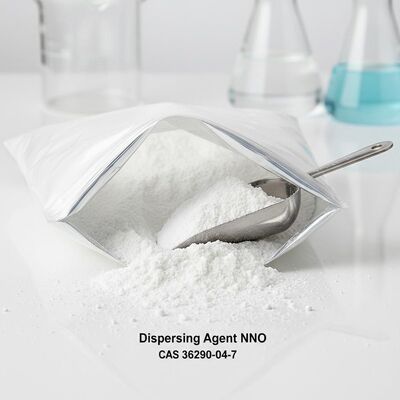
Dispersing Agent NNO, chemically identified as the Sodium salt of naphthalene sulfonate formaldehyde condensate (CAS 36290-04-7), is a high-performance anionic surfactant. Appearing as a light yellow powder, it is easily soluble in water and highly resistant to acids, alkalis, and hard water. NNO is engineered to reduce interfacial tension, providing exceptional electrostatic repulsion between particles. This prevents the aggregation of dye particles, pesticide powders, and cement grains, ensuring a stable, uniform dispersion.
Product Selling Points
  • Maximum Disperse Force: Actual result of 100%, far exceeding the 95% industry standard
  • Low Divalent Ion Content: Calcium and Magnesium ions controlled at 1500 PPM to prevent flocculation
  • High Thermal Stability: Maintains anionic functionality even at boiling temperatures
  • Ultra-Low Insolubles: Water-insoluble content of only 0.02% prevents equipment clogging
  • Verified Quality: Strict batch testing ensures pH stability between 7.0 and 9.0
Basic Physical Properties
  • CAS Number: 36290-04-7
  • Chemical Formula: (C10H8O3S·CH2O)n·nNa
  • Appearance: Light yellow powder
  • Ion Type: Anionic (Negative)
  • PH Value: 7.0 - 9.0 (1% water solution)
  • Solubility: Easily soluble in water
Technical Specifications
Test Item Standard Specification Actual Batch Result
Appearance Light yellow powder Complies
Solubility Easily soluble Complies
Composition Sodium salt of Naphthalene sulfonate formaldehyde condensate Complies
Ion Type Negative Complies
Disperse Force (%) ≥ 95 100
Sodium Sulphate Content (%) ≤ 18 17.11
PH (1% water solution) 7.0 - 9.0 7.52
Water Insoluble (%) ≤ 0.05 0.02
Ca & Mg Ion (PPM) ≤ 4000 1500
Applications
Textile and Dyeing Industry
Used as a dispersant for vat dyes and disperse dyes, as well as a leveling agent to ensure uniform fabric coloration and prevent pigment aggregation during high-temperature processing.
Pesticide Industry
Used in the production of wettable powders (WP) and water-dispersible granules (WDG) to enhance suspension rates, improve leaf adhesion, and ensure consistent dosage during field application.
Construction Industry
Acts as an efficient water reducer and superplasticizer for concrete, significantly improving workability, flowability, and final structural strength without increasing water content.
Leather Tanning
Serves as an auxiliary tanning agent and dispersant for leather dyes, ensuring deep, even penetration of color and a smoother finish on the leather surface.
Paper Making
Used as a pitch dispersant to prevent the accumulation of organic impurities on the paper machine, improving runnability and paper quality.
Rubber Industry
Acts as a stabilizer for natural and synthetic latex, preventing premature coagulation and aiding the uniform distribution of fillers like carbon black.
Matching Materials
Vat Dyes (Various CAS): Essential partner for NNO to ensure uniform color uptake in textile baths.
Disperse Dyes (Various CAS): Prevents dye agglomeration under high-pressure and high-temperature conditions.
Sodium Sulfate (CAS 7757-82-6): Used as a leveling agent or filler to control solution ionic strength.
Lignosulfonates (CAS 8061-51-6): Synergistic dispersant for agricultural WDG and construction formulations.
Naphthalene (CAS 91-20-3): The primary aromatic building block for the NNO polymer backbone.
Formaldehyde (CAS 50-00-0): Acting as the cross-linking agent to achieve optimal molecular weight.
Packaging & Logistics
Standard Packaging: 25 kg kraft paper bags with plastic lining. Loading: 13-16 MT/20'FCL. Store in a dry, ventilated area. Non-hazardous for shipping.
Frequently Asked Questions
How does Dispersing Agent NNO maintain suspension stability?
NNO molecules adsorb onto solid particles, creating negative surface charges. Electrostatic repulsion prevents particles from clumping or settling.
Can NNO be mixed with cationic surfactants?
No. Anionic NNO will react with cationic agents to form insoluble precipitates, compromising the entire formulation.
Why is low Calcium/Magnesium ion levels important?
Low ion content (1500 PPM) prevents cross-linking between molecules, ensuring stability in hard water and mineral-rich systems.
What is the disperse force?
It measures the efficiency in keeping particles separated. Our product scores 100%, exceeding the standard 95%.
Supplied by Chemfine International - Your Strategic Partner for Industrial Dispersants.
Good price  online

Products Details

Home > Products >
Coating Additives
>
Dispersing Agent NNO Cas 36290-04-7

Dispersing Agent NNO Cas 36290-04-7

Brand Name: Chemfine
Detail Information
Place of Origin:
China
Brand Name:
Chemfine
Highlight:

Dispersing Agent NNO coating additive

,

Dispersing Agent NNO Cas 36290-04-7

,

NNO dispersant for coatings

Product Description
Dispersing Agent NNO (CAS 36290-04-7)
Professional grade anionic surfactant with 100% disperse force for global industrial applications.
Product Introduction
Dispersing Agent NNO, chemically identified as the Sodium salt of naphthalene sulfonate formaldehyde condensate (CAS 36290-04-7), is a high-performance anionic surfactant. Appearing as a light yellow powder, it is easily soluble in water and highly resistant to acids, alkalis, and hard water. NNO is engineered to reduce interfacial tension, providing exceptional electrostatic repulsion between particles. This prevents the aggregation of dye particles, pesticide powders, and cement grains, ensuring a stable, uniform dispersion.
Product Selling Points
  • Maximum Disperse Force: Actual result of 100%, far exceeding the 95% industry standard
  • Low Divalent Ion Content: Calcium and Magnesium ions controlled at 1500 PPM to prevent flocculation
  • High Thermal Stability: Maintains anionic functionality even at boiling temperatures
  • Ultra-Low Insolubles: Water-insoluble content of only 0.02% prevents equipment clogging
  • Verified Quality: Strict batch testing ensures pH stability between 7.0 and 9.0
Basic Physical Properties
  • CAS Number: 36290-04-7
  • Chemical Formula: (C10H8O3S·CH2O)n·nNa
  • Appearance: Light yellow powder
  • Ion Type: Anionic (Negative)
  • PH Value: 7.0 - 9.0 (1% water solution)
  • Solubility: Easily soluble in water
Technical Specifications
Test Item Standard Specification Actual Batch Result
Appearance Light yellow powder Complies
Solubility Easily soluble Complies
Composition Sodium salt of Naphthalene sulfonate formaldehyde condensate Complies
Ion Type Negative Complies
Disperse Force (%) ≥ 95 100
Sodium Sulphate Content (%) ≤ 18 17.11
PH (1% water solution) 7.0 - 9.0 7.52
Water Insoluble (%) ≤ 0.05 0.02
Ca & Mg Ion (PPM) ≤ 4000 1500
Applications
Textile and Dyeing Industry
Used as a dispersant for vat dyes and disperse dyes, as well as a leveling agent to ensure uniform fabric coloration and prevent pigment aggregation during high-temperature processing.
Pesticide Industry
Used in the production of wettable powders (WP) and water-dispersible granules (WDG) to enhance suspension rates, improve leaf adhesion, and ensure consistent dosage during field application.
Construction Industry
Acts as an efficient water reducer and superplasticizer for concrete, significantly improving workability, flowability, and final structural strength without increasing water content.
Leather Tanning
Serves as an auxiliary tanning agent and dispersant for leather dyes, ensuring deep, even penetration of color and a smoother finish on the leather surface.
Paper Making
Used as a pitch dispersant to prevent the accumulation of organic impurities on the paper machine, improving runnability and paper quality.
Rubber Industry
Acts as a stabilizer for natural and synthetic latex, preventing premature coagulation and aiding the uniform distribution of fillers like carbon black.
Matching Materials
Vat Dyes (Various CAS): Essential partner for NNO to ensure uniform color uptake in textile baths.
Disperse Dyes (Various CAS): Prevents dye agglomeration under high-pressure and high-temperature conditions.
Sodium Sulfate (CAS 7757-82-6): Used as a leveling agent or filler to control solution ionic strength.
Lignosulfonates (CAS 8061-51-6): Synergistic dispersant for agricultural WDG and construction formulations.
Naphthalene (CAS 91-20-3): The primary aromatic building block for the NNO polymer backbone.
Formaldehyde (CAS 50-00-0): Acting as the cross-linking agent to achieve optimal molecular weight.
Packaging & Logistics
Standard Packaging: 25 kg kraft paper bags with plastic lining. Loading: 13-16 MT/20'FCL. Store in a dry, ventilated area. Non-hazardous for shipping.
Frequently Asked Questions
How does Dispersing Agent NNO maintain suspension stability?
NNO molecules adsorb onto solid particles, creating negative surface charges. Electrostatic repulsion prevents particles from clumping or settling.
Can NNO be mixed with cationic surfactants?
No. Anionic NNO will react with cationic agents to form insoluble precipitates, compromising the entire formulation.
Why is low Calcium/Magnesium ion levels important?
Low ion content (1500 PPM) prevents cross-linking between molecules, ensuring stability in hard water and mineral-rich systems.
What is the disperse force?
It measures the efficiency in keeping particles separated. Our product scores 100%, exceeding the standard 95%.
Supplied by Chemfine International - Your Strategic Partner for Industrial Dispersants.