logo
Good price  online

products details

Home > Products >
Coating Additives
>
iBMA Isobutyl Methacrylate CAS 97-86-9

iBMA Isobutyl Methacrylate CAS 97-86-9

Brand Name: Chemfine
Detail Information
Place of Origin:
China
Highlight:

iBMA isobutyl methacrylate coating additive

,

isobutyl methacrylate CAS 97-86-9

,

iBMA methacrylate for industrial coatings

Product Description
Product Introduction

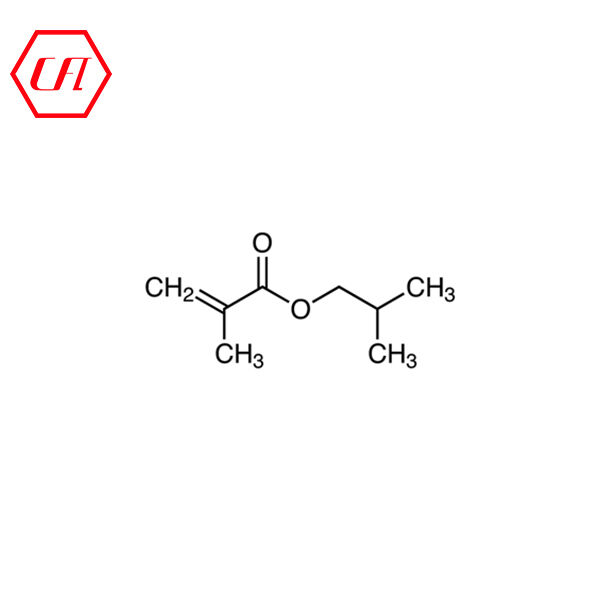
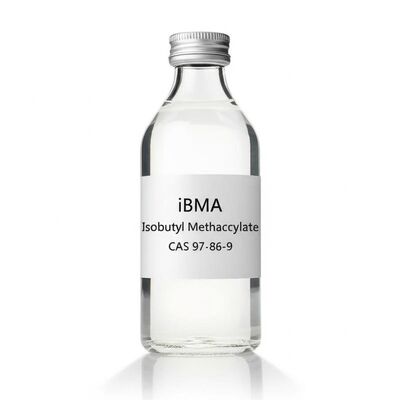
Isobutyl Methacrylate (CAS 97-86-9), commonly referred to as iBMA, is a clear, colorless, and volatile liquid ester of methacrylic acid. It serves as a vital building block in the polymer industry. iBMA is characterized by its ability to undergo radical polymerization to form homopolymers and copolymers with excellent clarity, low water absorption, and high weatherability. Compared to methyl methacrylate (MMA), iBMA provides polymers with increased flexibility and improved internal plasticization while maintaining good chemical resistance. It is an indispensable component in high-end automotive finishes, industrial coatings, and specialized adhesives.


Product Selling Points

1. Exceptional Weather & UV Resistance

  • Advantage: Polymers derived from iBMA exhibit high resistance to yellowing and degradation under prolonged sun exposure.

  • Benefit: Long-Lasting Finishes: Ideal for outdoor applications like automotive topcoats and architectural paints, ensuring the color and gloss remain intact for years.

2. Optimal Balance of Hardness & Flexibility

  • Advantage: The isobutyl side chain provides an internal plasticizing effect, lowering the glass transition temperature (Tg) compared to MMA.

  • Benefit: Tough & Crack-Resistant Coatings: Produces films that are hard enough to be scratch-resistant but flexible enough to withstand thermal expansion and mechanical stress without cracking.

3. High Solvency & Compatibility

  • Advantage: Exhibits excellent compatibility with a wide range of other acrylic and methacrylic monomers and common organic solvents.

  • Benefit: Versatile Formulation: Allows for the design of custom resin systems for specific applications, including moisture-curable adhesives and dental restorative materials.


Basic Physical Properties
PropertyValue/Description
CAS Number97-86-9
EINECS Number202-613-0
Molecular FormulaC8H14O2
Molecular Weight142.20
AppearanceColorless transparent liquid
Boiling Point155 C
Density (20 C)0.886 - 0.890 g/cm3
Flash Point43 C (Closed Cup)
SolubilityInsoluble in water; Miscible in most organic solvents

Certificate of Analysis (COA)
Test ItemSpecification StandardActual Result
AppearanceClear Colorless LiquidPass
Assay (iBMA)≥ 99.5%99.71%
Moisture≤ 0.05%0.015%
Acidity (as MAA)≤ 0.01%0.004%
Color (APHA)≤ 105
Inhibitor (MEHQ)10 - 20 ppm15 ppm

Applications

Automotive and Industrial Coatings

Used to produce high-gloss, weather-resistant acrylic resins for automotive topcoats and industrial protective coatings.

Adhesives and Sealants

Incorporated into solvent-based and UV-curable adhesives to improve bond strength and flexibility.

Dental Materials

A component in the formulation of dental resins, fillings, and prosthetics due to its low toxicity and good mechanical properties.

UV-Curable Systems

Acts as a reactive diluent in UV inks and coatings, facilitating rapid curing and improving film adhesion.


Packaging & Storage
  • Packaging: 180kg net weight in UN-certified iron drums; 900kg IBC tanks; or ISO tanks.

  • Storage: Store in a cool, dry, and well-ventilated warehouse away from direct sunlight. Crucial: iBMA is a flammable liquid and can undergo spontaneous polymerization if the inhibitor is depleted or if exposed to excessive heat. Always store below 30°C. The inhibitor (MEHQ) requires the presence of dissolved oxygen to be effective; do not store under a pure nitrogen blanket.


Synonyms

Isobutyl methacrylate; iBMA; 2-Methylpropyl methacrylate; Methacrylic acid isobutyl ester.


Matching Materials
  • Methyl Methacrylate (MMA) (CAS 80-62-6) —— Often copolymerized with iBMA to adjust hardness.

  • n-Butyl Methacrylate (nBMA) (CAS 97-88-1) —— A structural isomer used for different flexibility profiles.

  • Methacrylic Acid (MAA) (CAS 79-41-4) —— Used to provide functional carboxyl groups in the polymer chain.

  • Benzoyl Peroxide (BPO) (CAS 94-36-0) —— A common initiator used to trigger polymerization.

  • MEHQ (Inhibitor) (CAS 150-76-5) —— The essential stabilizer added to prevent premature polymerization.


FAQ

Q: Where can I find the EINECS number for Isobutyl Methacrylate?

A: The EINECS number is 202-613-0, as listed in our physical properties table.

Q: Is iBMA considered a hazardous material for shipping?

A: Yes, it is classified as a Flammable Liquid (UN 2283, Class 3, PG III). It must be shipped in accordance with international dangerous goods regulations.

Q: Why is MEHQ added to the product?

A: MEHQ is an inhibitor that prevents the monomer from polymerizing during storage and transport. It is essential for maintaining the product's liquid state.

Q: How does iBMA compare to nBMA (n-Butyl Methacrylate)?

A: iBMA generally produces a slightly harder polymer with a higher glass transition temperature (Tg) than nBMA, while offering similar water resistance and outdoor durability.

Good price  online

Products Details

Home > Products >
Coating Additives
>
iBMA Isobutyl Methacrylate CAS 97-86-9

iBMA Isobutyl Methacrylate CAS 97-86-9

Brand Name: Chemfine
Detail Information
Place of Origin:
China
Brand Name:
Chemfine
Highlight:

iBMA isobutyl methacrylate coating additive

,

isobutyl methacrylate CAS 97-86-9

,

iBMA methacrylate for industrial coatings

Product Description
Product Introduction

Isobutyl Methacrylate (CAS 97-86-9), commonly referred to as iBMA, is a clear, colorless, and volatile liquid ester of methacrylic acid. It serves as a vital building block in the polymer industry. iBMA is characterized by its ability to undergo radical polymerization to form homopolymers and copolymers with excellent clarity, low water absorption, and high weatherability. Compared to methyl methacrylate (MMA), iBMA provides polymers with increased flexibility and improved internal plasticization while maintaining good chemical resistance. It is an indispensable component in high-end automotive finishes, industrial coatings, and specialized adhesives.


Product Selling Points

1. Exceptional Weather & UV Resistance

  • Advantage: Polymers derived from iBMA exhibit high resistance to yellowing and degradation under prolonged sun exposure.

  • Benefit: Long-Lasting Finishes: Ideal for outdoor applications like automotive topcoats and architectural paints, ensuring the color and gloss remain intact for years.

2. Optimal Balance of Hardness & Flexibility

  • Advantage: The isobutyl side chain provides an internal plasticizing effect, lowering the glass transition temperature (Tg) compared to MMA.

  • Benefit: Tough & Crack-Resistant Coatings: Produces films that are hard enough to be scratch-resistant but flexible enough to withstand thermal expansion and mechanical stress without cracking.

3. High Solvency & Compatibility

  • Advantage: Exhibits excellent compatibility with a wide range of other acrylic and methacrylic monomers and common organic solvents.

  • Benefit: Versatile Formulation: Allows for the design of custom resin systems for specific applications, including moisture-curable adhesives and dental restorative materials.


Basic Physical Properties
PropertyValue/Description
CAS Number97-86-9
EINECS Number202-613-0
Molecular FormulaC8H14O2
Molecular Weight142.20
AppearanceColorless transparent liquid
Boiling Point155 C
Density (20 C)0.886 - 0.890 g/cm3
Flash Point43 C (Closed Cup)
SolubilityInsoluble in water; Miscible in most organic solvents

Certificate of Analysis (COA)
Test ItemSpecification StandardActual Result
AppearanceClear Colorless LiquidPass
Assay (iBMA)≥ 99.5%99.71%
Moisture≤ 0.05%0.015%
Acidity (as MAA)≤ 0.01%0.004%
Color (APHA)≤ 105
Inhibitor (MEHQ)10 - 20 ppm15 ppm

Applications

Automotive and Industrial Coatings

Used to produce high-gloss, weather-resistant acrylic resins for automotive topcoats and industrial protective coatings.

Adhesives and Sealants

Incorporated into solvent-based and UV-curable adhesives to improve bond strength and flexibility.

Dental Materials

A component in the formulation of dental resins, fillings, and prosthetics due to its low toxicity and good mechanical properties.

UV-Curable Systems

Acts as a reactive diluent in UV inks and coatings, facilitating rapid curing and improving film adhesion.


Packaging & Storage
  • Packaging: 180kg net weight in UN-certified iron drums; 900kg IBC tanks; or ISO tanks.

  • Storage: Store in a cool, dry, and well-ventilated warehouse away from direct sunlight. Crucial: iBMA is a flammable liquid and can undergo spontaneous polymerization if the inhibitor is depleted or if exposed to excessive heat. Always store below 30°C. The inhibitor (MEHQ) requires the presence of dissolved oxygen to be effective; do not store under a pure nitrogen blanket.


Synonyms

Isobutyl methacrylate; iBMA; 2-Methylpropyl methacrylate; Methacrylic acid isobutyl ester.


Matching Materials
  • Methyl Methacrylate (MMA) (CAS 80-62-6) —— Often copolymerized with iBMA to adjust hardness.

  • n-Butyl Methacrylate (nBMA) (CAS 97-88-1) —— A structural isomer used for different flexibility profiles.

  • Methacrylic Acid (MAA) (CAS 79-41-4) —— Used to provide functional carboxyl groups in the polymer chain.

  • Benzoyl Peroxide (BPO) (CAS 94-36-0) —— A common initiator used to trigger polymerization.

  • MEHQ (Inhibitor) (CAS 150-76-5) —— The essential stabilizer added to prevent premature polymerization.


FAQ

Q: Where can I find the EINECS number for Isobutyl Methacrylate?

A: The EINECS number is 202-613-0, as listed in our physical properties table.

Q: Is iBMA considered a hazardous material for shipping?

A: Yes, it is classified as a Flammable Liquid (UN 2283, Class 3, PG III). It must be shipped in accordance with international dangerous goods regulations.

Q: Why is MEHQ added to the product?

A: MEHQ is an inhibitor that prevents the monomer from polymerizing during storage and transport. It is essential for maintaining the product's liquid state.

Q: How does iBMA compare to nBMA (n-Butyl Methacrylate)?

A: iBMA generally produces a slightly harder polymer with a higher glass transition temperature (Tg) than nBMA, while offering similar water resistance and outdoor durability.