logo
Good price  online

products details

Home > Products >
Coating Additives
>
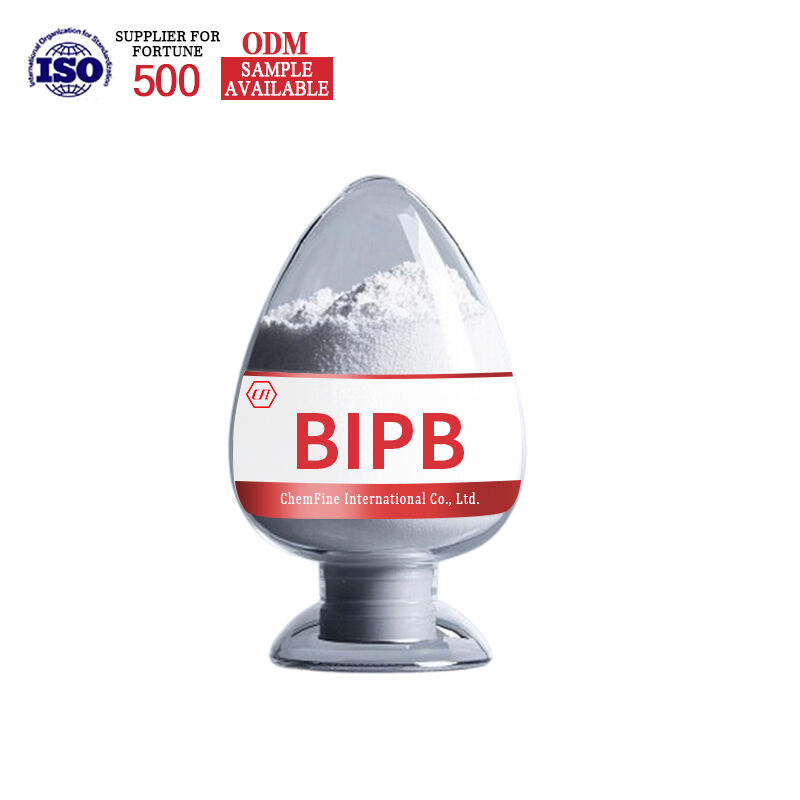
CAS 2212-81-9 Rubber Sulfiding Agent BIPB

CAS 2212-81-9 Rubber Sulfiding Agent BIPB

Brand Name: ChemFine
MOQ: 20
Detail Information
Place of Origin:
China
CAS No.:
2212-81-9
Purity:
96%
EINECS No.:
218-664-7
Molecular Formula:
C20H34O4
Chemical Name:
1,3-BIS(TERT-BUTYLDIOXYISOPROPYL)BENZENE
Appearance:
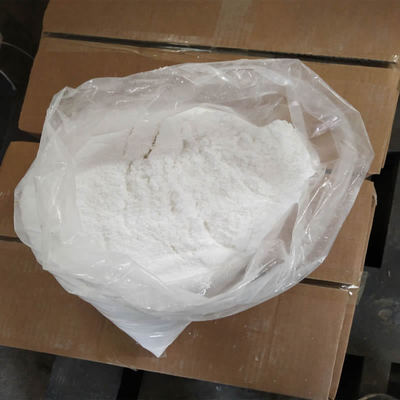
White To Pale Yellow Powder
Assay:
96%min
Melting Point:
46~52℃
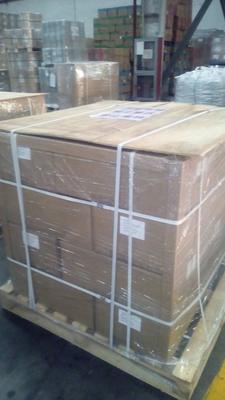
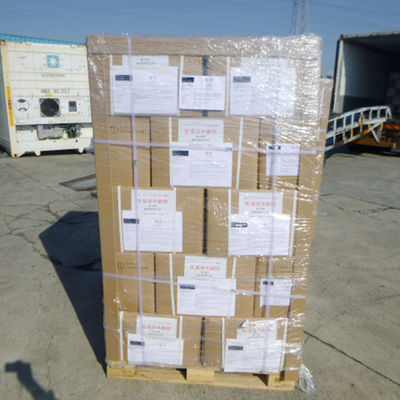
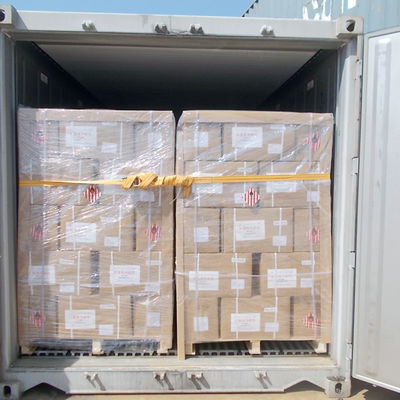
Packaging:
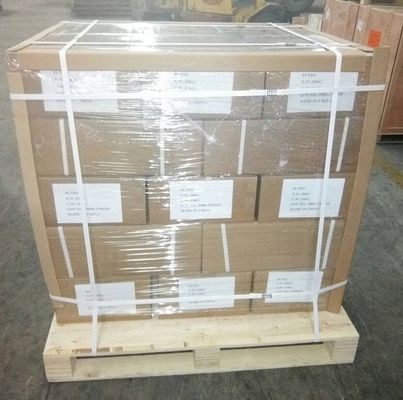
20kg Drum
Crosslinking Agent:
Yes
Compatible Materials:
Chlorinated Polyethylene, EPDM, Ethylene-vinyl Acetate Copolymer, Silicone Rubber, Butyl Rubber
Odor Level:
Low
Usage Ratio:
2/3 Of DCP
Product Type:
Sulfiding Agent
Material State:
Powder
Highlight:

96% Purity BIPB

,

CAS 2212-81-9 Rubber Sulfiding Agent

,

Melting Point 46~52℃ BIPB

Product Description
Product Selling Points
  • Superior crosslinking efficiency: Only 2/3 dosage of DCP required for the same crosslinking effect, reducing production cost
  • Low odor formulation: Minimal pungent odor during operation and in finished products, improving workplace environment
  • Guaranteed high purity: ≥96% minimum assay, ensures consistent crosslinking performance
  • Precise melting point: 46-52℃, easy to handle and disperse in rubber compounds
  • Wide compatibility: Suitable for chlorinated polyethylene (CPE), EPDM, EVA copolymer, silicone rubber, butyl rubber and other plastics and rubbers
  • Excellent thermal stability: Stable under normal storage conditions, provides reliable curing performance
  • Improved product properties: Cured products exhibit excellent mechanical properties, heat resistance and aging resistance
  • Versatile application: Used in rubber hoses, seals, wires and cables, footwear and various rubber products
  • Strict quality control: Batch-to-batch consistency guaranteed, suitable for large-scale industrial production
  • Flexible packaging: 20kg standard drum or customized packaging available

Certificate of Analysis (COA)
Item Specification
Product Name BIPB
Chemical Name 1,3-BIS(TERT-BUTYLDIOXYISOPROPYL)BENZENE
CAS NO. 2212-81-9
Appearance White to pale yellow powder
Assay 96% min
Melting Point 46~52℃
CONCLUSION Conforms to Enterprise Standards

Product Introduction

BIPB, chemically known as 1,3-Bis(tert-butyldioxyisopropyl)benzene, is a high-performance organic peroxide crosslinking agent with CAS number 2212-81-9. Its molecular formula is C20H34O4, with a molecular weight of 338.48 g/mol. Our industrial grade product appears as a white to pale yellow powder, with strict control over purity and melting point.

As an excellent alternative to DCP (dicumyl peroxide), BIPB offers superior crosslinking efficiency with only 2/3 the dosage required for the same effect. Most importantly, it produces significantly less pungent odor during the crosslinking process and in finished products, greatly improving the workplace environment. It is widely used as a crosslinking agent for various rubbers and plastics including chlorinated polyethylene (CPE), EPDM, ethylene-vinyl acetate copolymer (EVA), silicone rubber and butyl rubber.

Our BIPB is produced with advanced synthesis and purification technology, with full batch traceability and complete supporting quality documents. We can provide customized specifications to meet specific customer requirements and ensure long-term stable bulk supply for global rubber and plastic manufacturers.


Commercial Terms

Appearance: White to pale yellow powder

Packaging: 20kg fiber drum with inner PE liner; Customized packaging available upon customer request

MOQ: 1 Metric Ton (20kg sample drum supported for testing and evaluation)

Storage Conditions: Store in tightly sealed containers in a cool, dry and well-ventilated warehouse at 5-25℃; Keep away from heat sources, open flames, direct sunlight and incompatible materials; Avoid mechanical shock and friction; 12-month shelf life under proper storage conditions

Transport Classification: 5.2 (Organic Peroxide)

Packing Group: II


Synonyms
  • BIPB
  • 1,3-Bis(tert-butyldioxyisopropyl)benzene
  • Bis(tert-butylperoxyisopropyl)benzene
  • 1,3-Bis(2-tert-butylperoxyisopropyl)benzene
  • CAS 2212-81-9
  • Rubber Crosslinking Agent BIPB
  • DCP Alternative Crosslinker
  • Organic Peroxide BIPB

Core Application Scenarios (Ranked by Importance)
  1. Rubber Industry (Core Application): Used as crosslinking agent for various rubbers including EPDM, silicone rubber, butyl rubber, natural rubber and nitrile rubber. Applied in the production of rubber hoses, seals, gaskets, O-rings, footwear and automotive rubber parts.
  2. Plastic Industry: Applied as crosslinking agent for plastics including chlorinated polyethylene (CPE), ethylene-vinyl acetate copolymer (EVA), polyethylene and polypropylene. Used in the production of crosslinked polyethylene pipes, wires and cables, and plastic films.
  3. Wire & Cable Industry: Used as crosslinking agent for insulation and sheathing materials in wires and cables. Improves heat resistance, mechanical strength and electrical properties of cable products.
  4. Footwear Industry: Applied in the production of rubber and EVA footwear soles. Provides excellent elasticity, wear resistance and durability.
  5. Automotive Industry: Used in the production of automotive rubber parts including seals, hoses, gaskets and vibration dampers. Improves heat resistance and aging resistance of automotive components.
  6. Other Industrial Fields: Employed in the production of rubber rollers, conveyor belts, rubber sheets and various industrial rubber products.

Technical FAQ
Q1: What is the recommended dosage of BIPB compared to DCP?

A1: For the same crosslinking effect, the recommended dosage of BIPB is approximately 2/3 of the dosage of DCP. For example, if 3 phr of DCP is used, only 2 phr of BIPB is required. The exact dosage may vary depending on the specific rubber or plastic type and desired product properties.

Q2: What are the main advantages of BIPB over DCP?

A2: The main advantages of BIPB over DCP are:

  • Lower dosage requirement (only 2/3 of DCP), reducing production cost
  • Significantly less pungent odor during processing and in finished products
  • Better thermal stability
  • Improved mechanical properties and aging resistance of cured products
  • Lower volatility, reducing emissions during processing
Q3: What is the recommended curing temperature for BIPB?

A3: The typical curing temperature range for BIPB is 150-180℃. The exact curing temperature and time depend on the specific rubber or plastic type, formulation and product thickness. Post-curing may be required for some applications to achieve optimal properties.

Q4: What personal protective equipment (PPE) is required when handling BIPB?

A4: BIPB is an organic peroxide and may cause skin and eye irritation. Required PPE includes:

  • Chemical-resistant gloves (nitrile or butyl rubber)
  • Safety goggles with face shield
  • Chemical-resistant apron and protective clothing
  • Dust mask to avoid inhalation of powder
Q5: How should I handle spills of BIPB?

A5: In case of spill:

  • Evacuate personnel to safe areas
  • Wear appropriate PPE
  • Sweep up and collect the spilled material carefully, avoiding dust generation
  • Place collected material in suitable closed containers for disposal
  • Wash the area thoroughly with water
  • Do not allow product to enter drains or waterways
  • Do not use combustible materials for cleanup
Q6: What is the shelf life of BIPB and how should it be stored?

A6: BIPB has a shelf life of 12 months when stored in tightly sealed original containers at temperatures between 5-25℃. It should be stored in a cool, dry and well-ventilated area away from heat sources, open flames, direct sunlight and incompatible materials such as strong oxidizing agents, acids and bases. Keep containers tightly closed when not in use.

Good price  online

Products Details

Home > Products >
Coating Additives
>
CAS 2212-81-9 Rubber Sulfiding Agent BIPB

CAS 2212-81-9 Rubber Sulfiding Agent BIPB

Brand Name: ChemFine
MOQ: 20
Detail Information
Place of Origin:
China
Brand Name:
ChemFine
CAS No.:
2212-81-9
Purity:
96%
EINECS No.:
218-664-7
Molecular Formula:
C20H34O4
Chemical Name:
1,3-BIS(TERT-BUTYLDIOXYISOPROPYL)BENZENE
Appearance:
White To Pale Yellow Powder
Assay:
96%min
Melting Point:
46~52℃
Packaging:
20kg Drum
Crosslinking Agent:
Yes
Compatible Materials:
Chlorinated Polyethylene, EPDM, Ethylene-vinyl Acetate Copolymer, Silicone Rubber, Butyl Rubber
Odor Level:
Low
Usage Ratio:
2/3 Of DCP
Product Type:
Sulfiding Agent
Material State:
Powder
Minimum Order Quantity:
20
Highlight:

96% Purity BIPB

,

CAS 2212-81-9 Rubber Sulfiding Agent

,

Melting Point 46~52℃ BIPB

Product Description
Product Selling Points
  • Superior crosslinking efficiency: Only 2/3 dosage of DCP required for the same crosslinking effect, reducing production cost
  • Low odor formulation: Minimal pungent odor during operation and in finished products, improving workplace environment
  • Guaranteed high purity: ≥96% minimum assay, ensures consistent crosslinking performance
  • Precise melting point: 46-52℃, easy to handle and disperse in rubber compounds
  • Wide compatibility: Suitable for chlorinated polyethylene (CPE), EPDM, EVA copolymer, silicone rubber, butyl rubber and other plastics and rubbers
  • Excellent thermal stability: Stable under normal storage conditions, provides reliable curing performance
  • Improved product properties: Cured products exhibit excellent mechanical properties, heat resistance and aging resistance
  • Versatile application: Used in rubber hoses, seals, wires and cables, footwear and various rubber products
  • Strict quality control: Batch-to-batch consistency guaranteed, suitable for large-scale industrial production
  • Flexible packaging: 20kg standard drum or customized packaging available

Certificate of Analysis (COA)
Item Specification
Product Name BIPB
Chemical Name 1,3-BIS(TERT-BUTYLDIOXYISOPROPYL)BENZENE
CAS NO. 2212-81-9
Appearance White to pale yellow powder
Assay 96% min
Melting Point 46~52℃
CONCLUSION Conforms to Enterprise Standards

Product Introduction

BIPB, chemically known as 1,3-Bis(tert-butyldioxyisopropyl)benzene, is a high-performance organic peroxide crosslinking agent with CAS number 2212-81-9. Its molecular formula is C20H34O4, with a molecular weight of 338.48 g/mol. Our industrial grade product appears as a white to pale yellow powder, with strict control over purity and melting point.

As an excellent alternative to DCP (dicumyl peroxide), BIPB offers superior crosslinking efficiency with only 2/3 the dosage required for the same effect. Most importantly, it produces significantly less pungent odor during the crosslinking process and in finished products, greatly improving the workplace environment. It is widely used as a crosslinking agent for various rubbers and plastics including chlorinated polyethylene (CPE), EPDM, ethylene-vinyl acetate copolymer (EVA), silicone rubber and butyl rubber.

Our BIPB is produced with advanced synthesis and purification technology, with full batch traceability and complete supporting quality documents. We can provide customized specifications to meet specific customer requirements and ensure long-term stable bulk supply for global rubber and plastic manufacturers.


Commercial Terms

Appearance: White to pale yellow powder

Packaging: 20kg fiber drum with inner PE liner; Customized packaging available upon customer request

MOQ: 1 Metric Ton (20kg sample drum supported for testing and evaluation)

Storage Conditions: Store in tightly sealed containers in a cool, dry and well-ventilated warehouse at 5-25℃; Keep away from heat sources, open flames, direct sunlight and incompatible materials; Avoid mechanical shock and friction; 12-month shelf life under proper storage conditions

Transport Classification: 5.2 (Organic Peroxide)

Packing Group: II


Synonyms
  • BIPB
  • 1,3-Bis(tert-butyldioxyisopropyl)benzene
  • Bis(tert-butylperoxyisopropyl)benzene
  • 1,3-Bis(2-tert-butylperoxyisopropyl)benzene
  • CAS 2212-81-9
  • Rubber Crosslinking Agent BIPB
  • DCP Alternative Crosslinker
  • Organic Peroxide BIPB

Core Application Scenarios (Ranked by Importance)
  1. Rubber Industry (Core Application): Used as crosslinking agent for various rubbers including EPDM, silicone rubber, butyl rubber, natural rubber and nitrile rubber. Applied in the production of rubber hoses, seals, gaskets, O-rings, footwear and automotive rubber parts.
  2. Plastic Industry: Applied as crosslinking agent for plastics including chlorinated polyethylene (CPE), ethylene-vinyl acetate copolymer (EVA), polyethylene and polypropylene. Used in the production of crosslinked polyethylene pipes, wires and cables, and plastic films.
  3. Wire & Cable Industry: Used as crosslinking agent for insulation and sheathing materials in wires and cables. Improves heat resistance, mechanical strength and electrical properties of cable products.
  4. Footwear Industry: Applied in the production of rubber and EVA footwear soles. Provides excellent elasticity, wear resistance and durability.
  5. Automotive Industry: Used in the production of automotive rubber parts including seals, hoses, gaskets and vibration dampers. Improves heat resistance and aging resistance of automotive components.
  6. Other Industrial Fields: Employed in the production of rubber rollers, conveyor belts, rubber sheets and various industrial rubber products.

Technical FAQ
Q1: What is the recommended dosage of BIPB compared to DCP?

A1: For the same crosslinking effect, the recommended dosage of BIPB is approximately 2/3 of the dosage of DCP. For example, if 3 phr of DCP is used, only 2 phr of BIPB is required. The exact dosage may vary depending on the specific rubber or plastic type and desired product properties.

Q2: What are the main advantages of BIPB over DCP?

A2: The main advantages of BIPB over DCP are:

  • Lower dosage requirement (only 2/3 of DCP), reducing production cost
  • Significantly less pungent odor during processing and in finished products
  • Better thermal stability
  • Improved mechanical properties and aging resistance of cured products
  • Lower volatility, reducing emissions during processing
Q3: What is the recommended curing temperature for BIPB?

A3: The typical curing temperature range for BIPB is 150-180℃. The exact curing temperature and time depend on the specific rubber or plastic type, formulation and product thickness. Post-curing may be required for some applications to achieve optimal properties.

Q4: What personal protective equipment (PPE) is required when handling BIPB?

A4: BIPB is an organic peroxide and may cause skin and eye irritation. Required PPE includes:

  • Chemical-resistant gloves (nitrile or butyl rubber)
  • Safety goggles with face shield
  • Chemical-resistant apron and protective clothing
  • Dust mask to avoid inhalation of powder
Q5: How should I handle spills of BIPB?

A5: In case of spill:

  • Evacuate personnel to safe areas
  • Wear appropriate PPE
  • Sweep up and collect the spilled material carefully, avoiding dust generation
  • Place collected material in suitable closed containers for disposal
  • Wash the area thoroughly with water
  • Do not allow product to enter drains or waterways
  • Do not use combustible materials for cleanup
Q6: What is the shelf life of BIPB and how should it be stored?

A6: BIPB has a shelf life of 12 months when stored in tightly sealed original containers at temperatures between 5-25℃. It should be stored in a cool, dry and well-ventilated area away from heat sources, open flames, direct sunlight and incompatible materials such as strong oxidizing agents, acids and bases. Keep containers tightly closed when not in use.