| Brand Name: | Chemfine |
| Model Number: | MOCA |
| MOQ: | 500 Kilograms |
| Price: | $3.00 - $3.50/Kilograms |
| Packaging Details: | Net 50-kg paperboard drum lined with polyethylene film, Net 25kg kraft paper bag lined with polyethylene film |
| ITEM | SPECIFICATION | RESULT |
|---|---|---|
| Appearance | Pale Yellow Granules | Pale Yellow Granules |
| Melting Point, ℃ | ≥98 | 98.5-102 |
| Purity By HPLC, % | ≥86.0 | 87.812 |
| Free Aniline, % | ≤1.0 | 0.565 |
| Moisture, % | ≤0.1 | 0.080 |
| CONCLUSION | Qualified | Qualified |
| Model | Appearance | Melting Point ℃ | Moisture% | Free Aniline % | Color (Gardner) | Purity:%(A/A) By GC |
|---|---|---|---|---|---|---|
| MOCA II | Pale yellow granules | 98-102 | ≤0.2 | ≤1.0 | ≤6 | ≥99.0 |
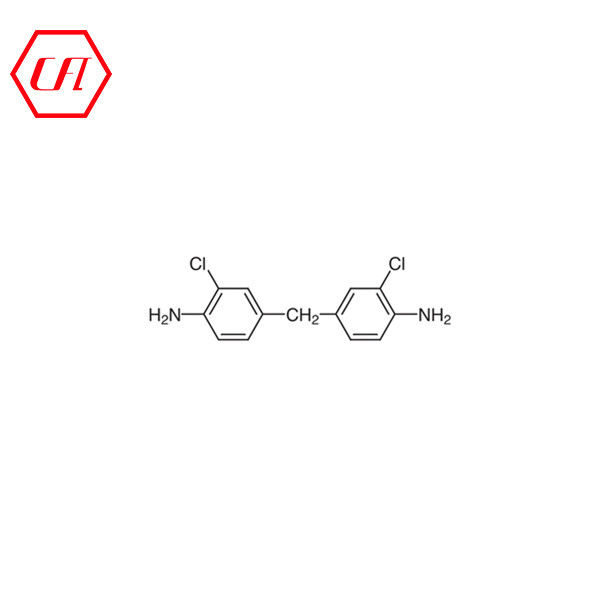
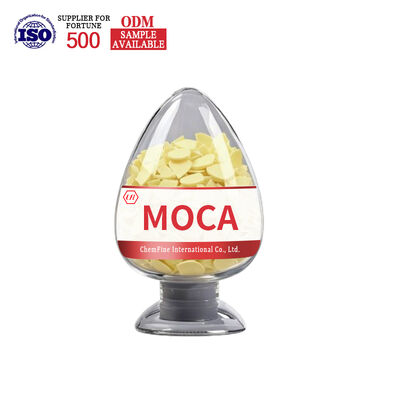
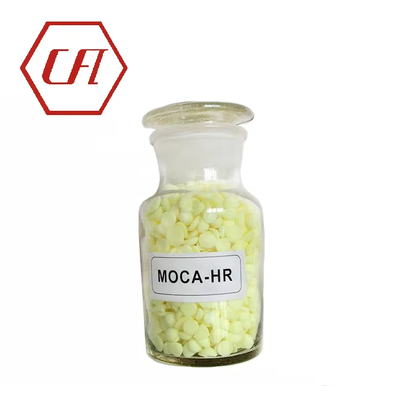
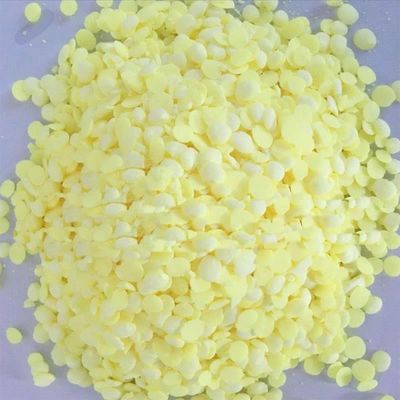
4,4'-Methylene bis(2-chloroaniline), commonly known as MOCA, is the most widely used aromatic diamine curing agent for cast polyurethane elastomers with CAS number 101-14-4. Its molecular formula is C13H12N2Cl2, with a molecular weight of 267.16 g/mol. Our industrial grade product appears as pale yellow granules, with strict control over purity, melting point, free aniline content and moisture content.
MOCA is typically used to cure prepolymers produced from TDI reacted with polyether or polyester polyols. It features excellent thermal stability, remaining pale yellow and clear liquid at temperatures up to 150℃ for 6 hours. Cured polyurethane products using MOCA exhibit outstanding mechanical properties, excellent abrasion resistance, good chemical resistance and long service life. We offer two grades: standard grade (≥86.0% purity) for general industrial applications and high purity MOCA II (≥99.0% purity) for high-performance requirements.
Our MOCA is produced with advanced synthesis and purification technology, with full batch traceability and complete supporting quality documents. We can provide customized specifications to meet specific customer requirements and ensure long-term stable bulk supply for global polyurethane manufacturers.
Appearance: Pale yellow granules
FOB Reference Price: USD 12.00 - 18.00 / Kilogram (varies by purity grade)
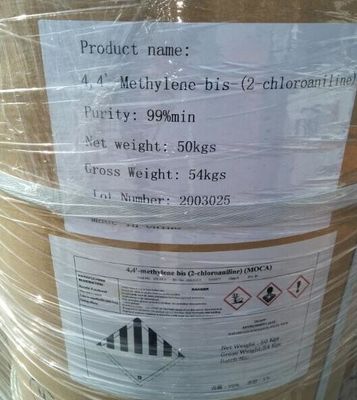
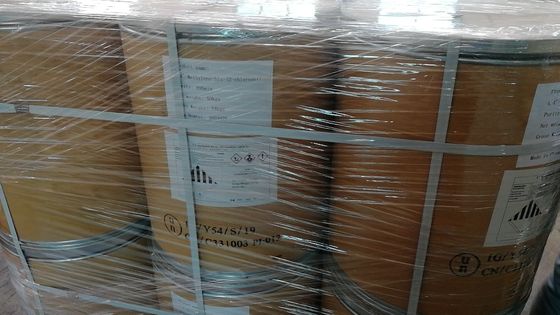
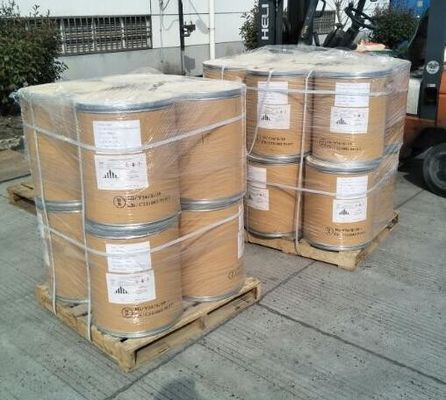
Packaging: 25kg kraft paper bag lined with polyethylene film; 50kg paperboard drum lined with polyethylene film; Customized packaging available upon request
MOQ: 1 Metric Ton (25kg sample bag supported for testing and evaluation)
Storage Conditions: Store in tightly sealed containers in a cool, dry and well-ventilated warehouse; Avoid direct sunlight and long-term storage at high temperatures; Do not store outdoors; 24-month shelf life under proper storage conditions
Transport Hazard Class: 6.1 (Toxic Substance)
Packing Group: III
A1: The typical curing temperature range for MOCA is 80-120℃. Post-curing is usually performed at 100-110℃ for 12-24 hours to achieve optimal mechanical properties. The exact curing conditions depend on the specific prepolymer formulation and desired product properties.
A2: The recommended stoichiometric ratio is based on the amine equivalent weight of MOCA, which is 133.6. A slight excess of MOCA (5-10%) is often used to compensate for moisture and ensure complete curing.
A3: Standard grade MOCA has a minimum purity of 86.0% by HPLC and is suitable for most general industrial applications. High purity MOCA II has a minimum purity of 99.0% by GC, lower color value (≤6 Gardner) and is recommended for high-performance applications where color stability and consistent curing are critical.
A4: MOCA is a toxic substance and suspected carcinogen. Required PPE includes:
A5: MOCA should be stored in tightly sealed original containers in a cool, dry and well-ventilated area away from direct sunlight and heat sources. It should be protected from moisture and incompatible materials. Do not store in aluminum or copper containers as MOCA can react with these metals.
A6: While MOCA is most commonly used with TDI-based prepolymers, it can also be used with MDI and other aromatic isocyanates. However, the curing kinetics and final properties will differ, and formulation adjustments may be necessary. It is recommended to conduct preliminary tests before use in new formulations.
| Brand Name: | Chemfine |
| Model Number: | MOCA |
| MOQ: | 500 Kilograms |
| Price: | $3.00 - $3.50/Kilograms |
| Packaging Details: | Net 50-kg paperboard drum lined with polyethylene film, Net 25kg kraft paper bag lined with polyethylene film |
| ITEM | SPECIFICATION | RESULT |
|---|---|---|
| Appearance | Pale Yellow Granules | Pale Yellow Granules |
| Melting Point, ℃ | ≥98 | 98.5-102 |
| Purity By HPLC, % | ≥86.0 | 87.812 |
| Free Aniline, % | ≤1.0 | 0.565 |
| Moisture, % | ≤0.1 | 0.080 |
| CONCLUSION | Qualified | Qualified |
| Model | Appearance | Melting Point ℃ | Moisture% | Free Aniline % | Color (Gardner) | Purity:%(A/A) By GC |
|---|---|---|---|---|---|---|
| MOCA II | Pale yellow granules | 98-102 | ≤0.2 | ≤1.0 | ≤6 | ≥99.0 |
4,4'-Methylene bis(2-chloroaniline), commonly known as MOCA, is the most widely used aromatic diamine curing agent for cast polyurethane elastomers with CAS number 101-14-4. Its molecular formula is C13H12N2Cl2, with a molecular weight of 267.16 g/mol. Our industrial grade product appears as pale yellow granules, with strict control over purity, melting point, free aniline content and moisture content.
MOCA is typically used to cure prepolymers produced from TDI reacted with polyether or polyester polyols. It features excellent thermal stability, remaining pale yellow and clear liquid at temperatures up to 150℃ for 6 hours. Cured polyurethane products using MOCA exhibit outstanding mechanical properties, excellent abrasion resistance, good chemical resistance and long service life. We offer two grades: standard grade (≥86.0% purity) for general industrial applications and high purity MOCA II (≥99.0% purity) for high-performance requirements.
Our MOCA is produced with advanced synthesis and purification technology, with full batch traceability and complete supporting quality documents. We can provide customized specifications to meet specific customer requirements and ensure long-term stable bulk supply for global polyurethane manufacturers.
Appearance: Pale yellow granules
FOB Reference Price: USD 12.00 - 18.00 / Kilogram (varies by purity grade)
Packaging: 25kg kraft paper bag lined with polyethylene film; 50kg paperboard drum lined with polyethylene film; Customized packaging available upon request
MOQ: 1 Metric Ton (25kg sample bag supported for testing and evaluation)
Storage Conditions: Store in tightly sealed containers in a cool, dry and well-ventilated warehouse; Avoid direct sunlight and long-term storage at high temperatures; Do not store outdoors; 24-month shelf life under proper storage conditions
Transport Hazard Class: 6.1 (Toxic Substance)
Packing Group: III
A1: The typical curing temperature range for MOCA is 80-120℃. Post-curing is usually performed at 100-110℃ for 12-24 hours to achieve optimal mechanical properties. The exact curing conditions depend on the specific prepolymer formulation and desired product properties.
A2: The recommended stoichiometric ratio is based on the amine equivalent weight of MOCA, which is 133.6. A slight excess of MOCA (5-10%) is often used to compensate for moisture and ensure complete curing.
A3: Standard grade MOCA has a minimum purity of 86.0% by HPLC and is suitable for most general industrial applications. High purity MOCA II has a minimum purity of 99.0% by GC, lower color value (≤6 Gardner) and is recommended for high-performance applications where color stability and consistent curing are critical.
A4: MOCA is a toxic substance and suspected carcinogen. Required PPE includes:
A5: MOCA should be stored in tightly sealed original containers in a cool, dry and well-ventilated area away from direct sunlight and heat sources. It should be protected from moisture and incompatible materials. Do not store in aluminum or copper containers as MOCA can react with these metals.
A6: While MOCA is most commonly used with TDI-based prepolymers, it can also be used with MDI and other aromatic isocyanates. However, the curing kinetics and final properties will differ, and formulation adjustments may be necessary. It is recommended to conduct preliminary tests before use in new formulations.