logo
Good price  online

products details

Home > Products >
Electronic Grade Chemicals
>
Battery Grade NaTFSI CAS 91742-21-1

Battery Grade NaTFSI CAS 91742-21-1

Brand Name: Chemfine
Detail Information
Place of Origin:
China
Highlight:

Battery Grade NaTFSI chemical

,

Electronic Grade NaTFSI powder

,

NaTFSI CAS 91742-21-1

Product Description
Product Introduction

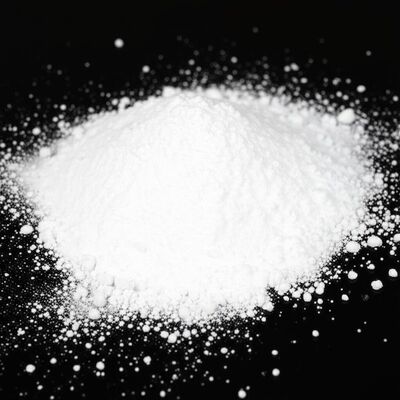
NaTFSI (CAS 91742-21-1), chemically known as Sodium Bis(trifluoromethanesulfonyl)imide, is a high-performance organometallic salt. It is a white crystalline powder that has gained immense importance as the "Sodium-ion" counterpart to the widely used LiTFSI. Due to its large, weakly coordinating TFSI anion, it offers high ionic conductivity, excellent solubility in organic solvents, and superior electrochemical stability. It is a cornerstone material for the development of Sodium-ion batteries (SIBs), which are emerging as a cost-effective and sustainable alternative to Lithium-ion technologies for large-scale energy storage.

Product Selling Points

1. High Electrochemical & Thermal Stability

  • Advantage: The TFSI anion is highly resistant to oxidative decomposition and remains stable at temperatures exceeding 300 C.

  • Benefit: Enhanced Battery Safety: Provides a wide electrochemical window, allowing for higher voltage battery designs and significantly reducing the risk of thermal runaway in energy storage systems.

2. Superior Ionic Conductivity

  • Advantage: Its large anion reduces the lattice energy, facilitating easy dissociation of Sodium ions in various solvent systems.

  • Benefit: Faster Charging/Discharging: Enables high-power performance in Sodium-ion batteries, ensuring efficient energy transfer even in demanding applications.

3. Ultra-Low Moisture (Battery Grade)

  • Advantage: Our specialized drying and purification process keeps moisture levels below 20 ppm.

  • Benefit: Extended Cycle Life: Prevents the formation of HF and other corrosive byproducts, protecting the battery cathode and anode from degradation and ensuring thousands of stable charge-discharge cycles.

Basic Physical Properties
Property Value/Description
CAS Number 91742-21-1
EINECS Number 294-557-1
Molecular Formula C2F6NNaO4S2
Molecular Weight 303.13
Appearance White crystalline powder
Melting Point 257 - 260 C
Solubility Soluble in water, carbonates, ethers, and glymes
Hygroscopicity Highly hygroscopic
Certificate of Analysis (COA)
Test Item Specification Standard Actual Result
Appearance White Crystalline Powder Pass
Assay ≥ 99.9% 99.94%
Water Content (KF) ≤ 20 ppm 12 ppm
Chlorides (Cl) ≤ 5 ppm 2 ppm
Sulfate (SO4) ≤ 10 ppm 5 ppm
Iron (Fe) ≤ 1 ppm 0.4 ppm
Potassium (K) ≤ 5 ppm 1 ppm
Applications

Sodium-ion Battery Electrolytes

The primary conductive salt for liquid electrolytes in SIBs, offering a balance of high conductivity and low viscosity.

Solid-State Electrolytes

A key dopant in polymer electrolytes (like PEO-based systems) to enhance Sodium-ion mobility in solid-state batteries.

Ionic Liquids

Used as a precursor to synthesize Sodium-based ionic liquids for green chemistry and specialized lubrication applications.

Electrochemical Research

A standard reagent for investigating Sodium-ion intercalation and half-cell testing in advanced materials science.

Packaging & Storage
  • Packaging: 100g, 500g, or 1kg vacuum-sealed aluminum foil bags; 25kg fiber drums with double PE liner for industrial orders.

  • Storage: Store in a cool, dry, and inert atmosphere (Glove box or dry room recommended). Crucial: NaTFSI is extremely hygroscopic. Even brief exposure to air will cause it to absorb moisture, which can ruin its performance in battery applications. Always open and handle under Argon or Nitrogen.

Synonyms

Sodium TFSI; Sodium Bis(trifluoromethylsulfonyl)imide; Bis(trifluoromethanesulfonyl)amine Sodium Salt; NaTFSI.

Matching Materials
  • Propylene Carbonate (PC) (CAS 108-32-7) —— Common solvent for Sodium-ion electrolytes.

  • Ethylene Carbonate (EC) (CAS 96-49-1) —— Used in solvent blends for SEI formation.

  • Fluoroethylene Carbonate (FEC) (CAS 114435-02-8) —— Essential electrolyte additive for Sodium batteries.

  • Hard Carbon (CAS 7440-44-0) —— Primary anode material for Sodium-ion batteries.

  • Polyethylene Oxide (PEO) (CAS 25322-68-3) —— For solid-state electrolyte development.

FAQ

Q: Why is NaTFSI preferred over NaPF6 in some batteries?

A: While NaPF6 is cheaper, NaTFSI offers much better thermal and hydrolytic stability. It does not produce HF as easily as NaPF6, making it safer and more durable in high-temperature or long-life applications.

Q: Can this be used in Lithium-ion batteries?

A: No, this is a Sodium salt specifically designed for Sodium-ion chemistry. Using it in Lithium-ion systems would introduce Sodium contamination, which significantly degrades Li-ion performance.

Q: How do you ensure the low moisture content during shipping?

A: Each batch is vacuum-sealed in multi-layer aluminum foil bags inside an inert gas-filled environment. We recommend using the entire bag once opened or resealing it immediately inside a glove box.

Good price  online

Products Details

Home > Products >
Electronic Grade Chemicals
>
Battery Grade NaTFSI CAS 91742-21-1

Battery Grade NaTFSI CAS 91742-21-1

Brand Name: Chemfine
Detail Information
Place of Origin:
China
Brand Name:
Chemfine
Highlight:

Battery Grade NaTFSI chemical

,

Electronic Grade NaTFSI powder

,

NaTFSI CAS 91742-21-1

Product Description
Product Introduction

NaTFSI (CAS 91742-21-1), chemically known as Sodium Bis(trifluoromethanesulfonyl)imide, is a high-performance organometallic salt. It is a white crystalline powder that has gained immense importance as the "Sodium-ion" counterpart to the widely used LiTFSI. Due to its large, weakly coordinating TFSI anion, it offers high ionic conductivity, excellent solubility in organic solvents, and superior electrochemical stability. It is a cornerstone material for the development of Sodium-ion batteries (SIBs), which are emerging as a cost-effective and sustainable alternative to Lithium-ion technologies for large-scale energy storage.

Product Selling Points

1. High Electrochemical & Thermal Stability

  • Advantage: The TFSI anion is highly resistant to oxidative decomposition and remains stable at temperatures exceeding 300 C.

  • Benefit: Enhanced Battery Safety: Provides a wide electrochemical window, allowing for higher voltage battery designs and significantly reducing the risk of thermal runaway in energy storage systems.

2. Superior Ionic Conductivity

  • Advantage: Its large anion reduces the lattice energy, facilitating easy dissociation of Sodium ions in various solvent systems.

  • Benefit: Faster Charging/Discharging: Enables high-power performance in Sodium-ion batteries, ensuring efficient energy transfer even in demanding applications.

3. Ultra-Low Moisture (Battery Grade)

  • Advantage: Our specialized drying and purification process keeps moisture levels below 20 ppm.

  • Benefit: Extended Cycle Life: Prevents the formation of HF and other corrosive byproducts, protecting the battery cathode and anode from degradation and ensuring thousands of stable charge-discharge cycles.

Basic Physical Properties
Property Value/Description
CAS Number 91742-21-1
EINECS Number 294-557-1
Molecular Formula C2F6NNaO4S2
Molecular Weight 303.13
Appearance White crystalline powder
Melting Point 257 - 260 C
Solubility Soluble in water, carbonates, ethers, and glymes
Hygroscopicity Highly hygroscopic
Certificate of Analysis (COA)
Test Item Specification Standard Actual Result
Appearance White Crystalline Powder Pass
Assay ≥ 99.9% 99.94%
Water Content (KF) ≤ 20 ppm 12 ppm
Chlorides (Cl) ≤ 5 ppm 2 ppm
Sulfate (SO4) ≤ 10 ppm 5 ppm
Iron (Fe) ≤ 1 ppm 0.4 ppm
Potassium (K) ≤ 5 ppm 1 ppm
Applications

Sodium-ion Battery Electrolytes

The primary conductive salt for liquid electrolytes in SIBs, offering a balance of high conductivity and low viscosity.

Solid-State Electrolytes

A key dopant in polymer electrolytes (like PEO-based systems) to enhance Sodium-ion mobility in solid-state batteries.

Ionic Liquids

Used as a precursor to synthesize Sodium-based ionic liquids for green chemistry and specialized lubrication applications.

Electrochemical Research

A standard reagent for investigating Sodium-ion intercalation and half-cell testing in advanced materials science.

Packaging & Storage
  • Packaging: 100g, 500g, or 1kg vacuum-sealed aluminum foil bags; 25kg fiber drums with double PE liner for industrial orders.

  • Storage: Store in a cool, dry, and inert atmosphere (Glove box or dry room recommended). Crucial: NaTFSI is extremely hygroscopic. Even brief exposure to air will cause it to absorb moisture, which can ruin its performance in battery applications. Always open and handle under Argon or Nitrogen.

Synonyms

Sodium TFSI; Sodium Bis(trifluoromethylsulfonyl)imide; Bis(trifluoromethanesulfonyl)amine Sodium Salt; NaTFSI.

Matching Materials
  • Propylene Carbonate (PC) (CAS 108-32-7) —— Common solvent for Sodium-ion electrolytes.

  • Ethylene Carbonate (EC) (CAS 96-49-1) —— Used in solvent blends for SEI formation.

  • Fluoroethylene Carbonate (FEC) (CAS 114435-02-8) —— Essential electrolyte additive for Sodium batteries.

  • Hard Carbon (CAS 7440-44-0) —— Primary anode material for Sodium-ion batteries.

  • Polyethylene Oxide (PEO) (CAS 25322-68-3) —— For solid-state electrolyte development.

FAQ

Q: Why is NaTFSI preferred over NaPF6 in some batteries?

A: While NaPF6 is cheaper, NaTFSI offers much better thermal and hydrolytic stability. It does not produce HF as easily as NaPF6, making it safer and more durable in high-temperature or long-life applications.

Q: Can this be used in Lithium-ion batteries?

A: No, this is a Sodium salt specifically designed for Sodium-ion chemistry. Using it in Lithium-ion systems would introduce Sodium contamination, which significantly degrades Li-ion performance.

Q: How do you ensure the low moisture content during shipping?

A: Each batch is vacuum-sealed in multi-layer aluminum foil bags inside an inert gas-filled environment. We recommend using the entire bag once opened or resealing it immediately inside a glove box.