logo
Good price  online

products details

Home > Products >
Electronic Grade Chemicals
>
High-Stability Fluorinated Solid Perfluorododecane CAS 307-59-5

High-Stability Fluorinated Solid Perfluorododecane CAS 307-59-5

Detail Information
Highlight:

fluorinated solid perfluorododecane electronic grade

,

high-stability perfluorododecane CAS 307-59-5

,

electronic grade perfluorododecane with warranty

Product Description

Product Introduction

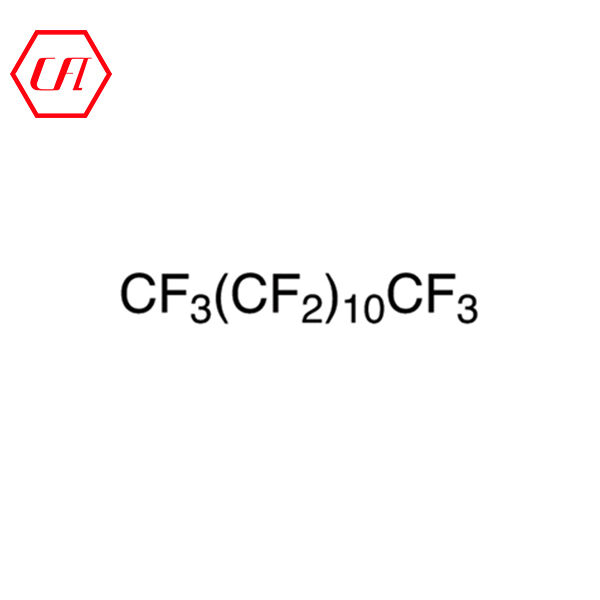
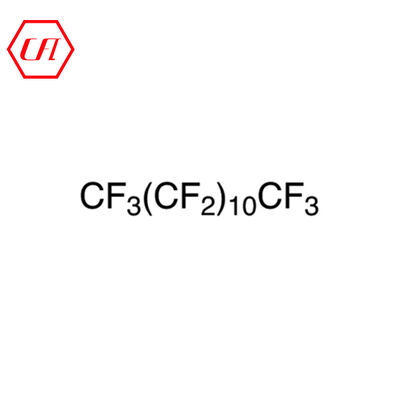
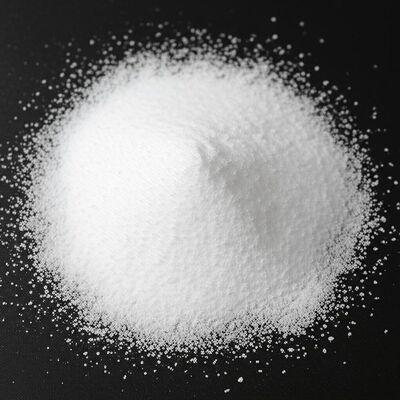
Perfluorododecane (CAS 307-59-5), with the chemical formula C12F26, is a linear perfluorinated paraffin. Unlike shorter-chain perfluorocarbons that are liquids at room temperature, Perfluorododecane is a white, waxy crystalline solid. It represents the pinnacle of chemical stability, as the strong C-F bonds throughout the twelve-carbon chain make it resistant to almost all chemical reagents, including strong acids, bases, and oxidants. Its unique properties—low surface energy, high density, and exceptional dielectric strength—make it an essential material for high-tech applications in aerospace, electronics, and specialized chemical manufacturing where liquid fluorocarbons may be too volatile.


Product Selling Points

  • Extreme Thermal Stability: Maintains structural integrity at high temperatures where traditional hydrocarbon waxes would oxidize or decompose.

  • Ultimate Hydrophobicity: Provides a nearly "frictionless" surface that is both water-repellent and oil-repellent (lipophobic).

  • High Dielectric Strength: An excellent insulator for high-voltage applications and sensitive electronic environments.

  • Chemical Inertness: Non-reactive with aggressive chemicals, making it a reliable component for seals, gaskets, and protective coatings.

  • Low Surface Energy: Ideal for use as a release agent or anti-stiction coating in micro-mechanics and nanotechnology.

  • Purity & Consistency: Chemfine ensures an assay of ≥ 98% with strictly controlled volatile organic impurities.


Applications

High-Performance Lubricants

Used as a primary component or additive in specialized greases and lubricants for aerospace and vacuum environments where evaporation must be kept to an absolute minimum.

Surface Modification and Coatings

Applied as a thin-film coating to provide durable, non-stick, and anti-corrosive properties to metal, glass, and plastic substrates in precision instruments.

Electronic Component Protection

Functions as a dielectric filler or protective barrier for high-frequency electronic components, protecting them from moisture and environmental contaminants.

Chemical Research Building Block

Serves as a high-molecular-weight perfluorinated phase in fluorous biphase catalysis and as a reference material in fluorinated material studies.


Packaging

Standard industrial packaging options for Perfluorododecane include:

  • 1kg or 5kg wide-mouth HDPE bottles or specialized fluorinated jars.

  • 25kg fiber drums with anti-static plastic liners for industrial-scale use.

  • Customized small-volume packaging for laboratory R&D and pilot testing.

  • All containers are hermetically sealed to prevent moisture absorption and maintain the crystalline integrity of the solid.


Storage

Perfluorododecane should be stored in a cool, dry, and well-ventilated area. Keep containers tightly sealed when not in use. While it is non-flammable and exceptionally stable, it should be kept away from molten alkali metals and strong reducing agents. Store in a dedicated area to prevent cross-contamination with non-fluorinated materials. No special fire suppression is required due to its non-combustible nature.


Synonyms

n-Perfluorododecane, Dotriacontrafluorododecane, C12F26, Perfluoro-n-dodecane.


Basic Physical Properties

Property Value/Description
CAS Number 307-59-5
Molecular Formula C12F26
Molecular Weight 638.10
EINECS Number 206-203-2
Appearance White crystalline solid/wax
Melting Point 75°C - 80°C
Boiling Point ~198°C - 202°C
Density ~1.85 g/cm3 (as a solid)
Flash Point None
Solubility Insoluble in water; soluble in other perfluorinated liquids

Certificate of Analysis (COA)

Test Item Specification Standard
Appearance White Crystalline Solid
Assay (GC) ≥ 98.0%
Melting Range 74°C - 81°C
Moisture (KF) ≤ 100 ppm
Volatile Matter ≤ 0.5%
Color (APHA, molten) ≤ 30

Related and Similar Products

  1. Perfluorodecane – CAS 307-45-9

  2. Perfluorooctane – CAS 307-34-6

  3. Perfluorotetradecane – CAS 307-62-0

  4. Perfluorodecalin – CAS 306-94-5

  5. Perfluorotributylamine (PFTBA) – CAS 311-89-7

  6. Perfluorohexane – CAS 355-42-0

  7. Perfluoropolyether (PFPE) Oils

  8. Chemfine CF-5080 (Alternative to 3M PF-5080)

  9. Perfluorooctyl Bromide (PFOB) – CAS 423-55-2

  10. Perfluorononane – CAS 375-96-2


FAQ

Physical Form and Handling

  • Q1: Is Perfluorododecane a liquid or a solid?

    A1: It is a solid/wax at room temperature. It typically begins to melt at approximately 75°C, becoming a clear, heavy liquid.

  • Q2: How do I apply Perfluorododecane as a coating?

    A2: It is usually dissolved in a carrier solvent (such as a low-boiling perfluorohexane or HFE) and applied via dip-coating or spraying. The solvent evaporates, leaving a thin, uniform perfluorinated solid film.

  • Q3: Can it be used in high-vacuum systems?

    A3: Yes, because of its long carbon chain, it has a very low vapor pressure compared to liquid perfluorocarbons, making it excellent for vacuum lubrication.

Technical and Safety

  • Q1: Does it contain PFOA or PFOS?

    A1: No, Perfluorododecane is a pure perfluorinated alkane and does not contain carboxylic or sulfonic acid functional groups. However, we recommend checking local environmental regulations regarding PFC usage.

  • Q2: Is it safe to handle?

    A2: It is chemically inert and non-toxic. However, like all fine powders or solids, avoid inhaling dust if the material is ground, and use standard laboratory PPE.

  • Q3: What solvents can dissolve Perfluorododecane?

    A3: It is insoluble in water and most common organic solvents (like ethanol or acetone). It is only effectively soluble in other perfluorinated liquids or highly fluorinated solvents at elevated temperatures.

Good price  online

Products Details

Home > Products >
Electronic Grade Chemicals
>
High-Stability Fluorinated Solid Perfluorododecane CAS 307-59-5

High-Stability Fluorinated Solid Perfluorododecane CAS 307-59-5

Detail Information
Highlight:

fluorinated solid perfluorododecane electronic grade

,

high-stability perfluorododecane CAS 307-59-5

,

electronic grade perfluorododecane with warranty

Product Description

Product Introduction

Perfluorododecane (CAS 307-59-5), with the chemical formula C12F26, is a linear perfluorinated paraffin. Unlike shorter-chain perfluorocarbons that are liquids at room temperature, Perfluorododecane is a white, waxy crystalline solid. It represents the pinnacle of chemical stability, as the strong C-F bonds throughout the twelve-carbon chain make it resistant to almost all chemical reagents, including strong acids, bases, and oxidants. Its unique properties—low surface energy, high density, and exceptional dielectric strength—make it an essential material for high-tech applications in aerospace, electronics, and specialized chemical manufacturing where liquid fluorocarbons may be too volatile.


Product Selling Points

  • Extreme Thermal Stability: Maintains structural integrity at high temperatures where traditional hydrocarbon waxes would oxidize or decompose.

  • Ultimate Hydrophobicity: Provides a nearly "frictionless" surface that is both water-repellent and oil-repellent (lipophobic).

  • High Dielectric Strength: An excellent insulator for high-voltage applications and sensitive electronic environments.

  • Chemical Inertness: Non-reactive with aggressive chemicals, making it a reliable component for seals, gaskets, and protective coatings.

  • Low Surface Energy: Ideal for use as a release agent or anti-stiction coating in micro-mechanics and nanotechnology.

  • Purity & Consistency: Chemfine ensures an assay of ≥ 98% with strictly controlled volatile organic impurities.


Applications

High-Performance Lubricants

Used as a primary component or additive in specialized greases and lubricants for aerospace and vacuum environments where evaporation must be kept to an absolute minimum.

Surface Modification and Coatings

Applied as a thin-film coating to provide durable, non-stick, and anti-corrosive properties to metal, glass, and plastic substrates in precision instruments.

Electronic Component Protection

Functions as a dielectric filler or protective barrier for high-frequency electronic components, protecting them from moisture and environmental contaminants.

Chemical Research Building Block

Serves as a high-molecular-weight perfluorinated phase in fluorous biphase catalysis and as a reference material in fluorinated material studies.


Packaging

Standard industrial packaging options for Perfluorododecane include:

  • 1kg or 5kg wide-mouth HDPE bottles or specialized fluorinated jars.

  • 25kg fiber drums with anti-static plastic liners for industrial-scale use.

  • Customized small-volume packaging for laboratory R&D and pilot testing.

  • All containers are hermetically sealed to prevent moisture absorption and maintain the crystalline integrity of the solid.


Storage

Perfluorododecane should be stored in a cool, dry, and well-ventilated area. Keep containers tightly sealed when not in use. While it is non-flammable and exceptionally stable, it should be kept away from molten alkali metals and strong reducing agents. Store in a dedicated area to prevent cross-contamination with non-fluorinated materials. No special fire suppression is required due to its non-combustible nature.


Synonyms

n-Perfluorododecane, Dotriacontrafluorododecane, C12F26, Perfluoro-n-dodecane.


Basic Physical Properties

Property Value/Description
CAS Number 307-59-5
Molecular Formula C12F26
Molecular Weight 638.10
EINECS Number 206-203-2
Appearance White crystalline solid/wax
Melting Point 75°C - 80°C
Boiling Point ~198°C - 202°C
Density ~1.85 g/cm3 (as a solid)
Flash Point None
Solubility Insoluble in water; soluble in other perfluorinated liquids

Certificate of Analysis (COA)

Test Item Specification Standard
Appearance White Crystalline Solid
Assay (GC) ≥ 98.0%
Melting Range 74°C - 81°C
Moisture (KF) ≤ 100 ppm
Volatile Matter ≤ 0.5%
Color (APHA, molten) ≤ 30

Related and Similar Products

  1. Perfluorodecane – CAS 307-45-9

  2. Perfluorooctane – CAS 307-34-6

  3. Perfluorotetradecane – CAS 307-62-0

  4. Perfluorodecalin – CAS 306-94-5

  5. Perfluorotributylamine (PFTBA) – CAS 311-89-7

  6. Perfluorohexane – CAS 355-42-0

  7. Perfluoropolyether (PFPE) Oils

  8. Chemfine CF-5080 (Alternative to 3M PF-5080)

  9. Perfluorooctyl Bromide (PFOB) – CAS 423-55-2

  10. Perfluorononane – CAS 375-96-2


FAQ

Physical Form and Handling

  • Q1: Is Perfluorododecane a liquid or a solid?

    A1: It is a solid/wax at room temperature. It typically begins to melt at approximately 75°C, becoming a clear, heavy liquid.

  • Q2: How do I apply Perfluorododecane as a coating?

    A2: It is usually dissolved in a carrier solvent (such as a low-boiling perfluorohexane or HFE) and applied via dip-coating or spraying. The solvent evaporates, leaving a thin, uniform perfluorinated solid film.

  • Q3: Can it be used in high-vacuum systems?

    A3: Yes, because of its long carbon chain, it has a very low vapor pressure compared to liquid perfluorocarbons, making it excellent for vacuum lubrication.

Technical and Safety

  • Q1: Does it contain PFOA or PFOS?

    A1: No, Perfluorododecane is a pure perfluorinated alkane and does not contain carboxylic or sulfonic acid functional groups. However, we recommend checking local environmental regulations regarding PFC usage.

  • Q2: Is it safe to handle?

    A2: It is chemically inert and non-toxic. However, like all fine powders or solids, avoid inhaling dust if the material is ground, and use standard laboratory PPE.

  • Q3: What solvents can dissolve Perfluorododecane?

    A3: It is insoluble in water and most common organic solvents (like ethanol or acetone). It is only effectively soluble in other perfluorinated liquids or highly fluorinated solvents at elevated temperatures.