logo
Good price  online

products details

Home > Products >
Food Additives
>
L-Lactic Acid CAS 79-33-4

L-Lactic Acid CAS 79-33-4

Brand Name: Chemfine
Model Number: 60%,80%,88%,99%
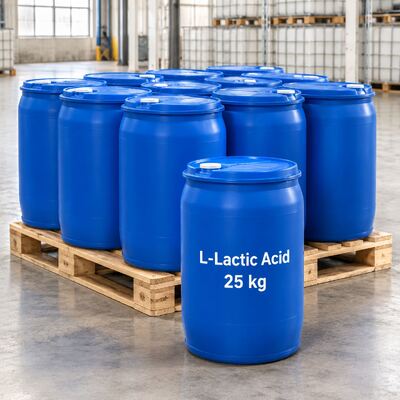
Packaging Details: 25kg/drum (HDPE plastic drum with inner seal)
Payment Terms: L/C,T/T
Detail Information
Place of Origin:
China
Chemical Name:
L(+)-Lactic Acid ((S)-2-Hydroxypropanoic Acid)
Common Name:
L-Lactic Acid; L(+)-Lactic Acid; E270; 2-Hydroxypropionic Acid
CAS Number:
79-33-4
EINECS/EC Number:
201-196-2
Molecular Formula:
C3H6O3
Appearance:
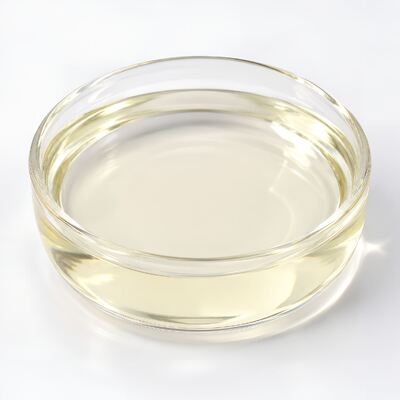
Colorless To Slightly Yellow Syrupy Liquid (60-88%); Colorless Crystalline Mass / Very Viscous Liquid (99%)
Chemical Classification:
Alpha-hydroxy Carboxylic Acid
Chemical Type:
Naturally Occurring (S)-enantiomer Of Lactic Acid, Produced By Fermentation
Core Functions:
Acidulant; PH Regulator; Preservative; Humectant; AHA Exfoliant; Chelating Agent
Main Applications:
Food & Beverage Acidulation; Meat & Sausage Preservation; Bakery; Cosmetics AHA; Pharmaceutical Excipient; Industrial Cleaning
Available Grades:
Food Grade (60%, 80%, 88%, 99%); Cosmetic Grade; Industrial Grade
Delivery Time:
7 – 15 Working Days After Order Confirmation
Sample:
Available
Supply Ability:
15,000 MT/year
Highlight:

L-Lactic Acid CAS 79-33-4

,

L-Lactic Acid food additive

,

L-Lactic Acid food grade

Product Description
Selling Points
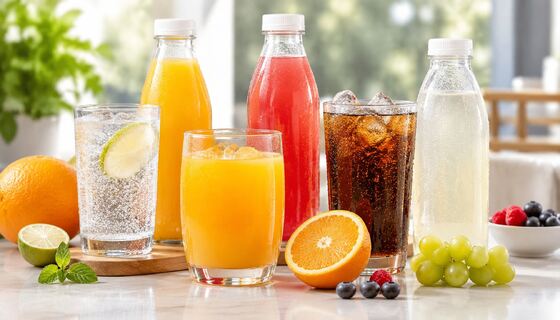
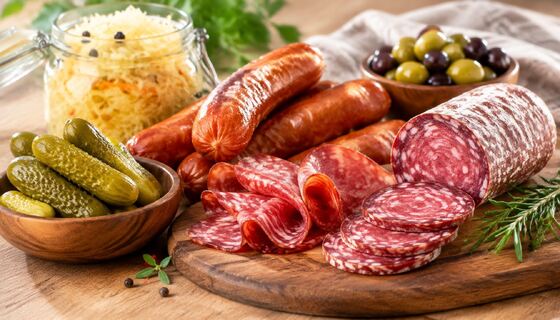
  • Formulation Uses: This raw material is shown for carbonated beverages, juice drinks, pickles and sauerkraut, sausage and meat products, bakery goods, skincare and AHA cosmetics, and pharmaceutical oral solution applications.
  • Natural Fermentation Origin: L(+)-lactic acid is produced by carbohydrate fermentation, not chemical synthesis, meeting clean label and natural food formulation requirements.
  • Four Concentration Grades Available: Supplied in 60%, 80%, 88% and 99% grades to match different food, cosmetic, pharmaceutical and industrial formulation needs.
  • Effective Acidulant & Preservative: Provides gentle sour taste, pH regulation and antimicrobial action in acidic foods, extending shelf life without harsh aftertaste.
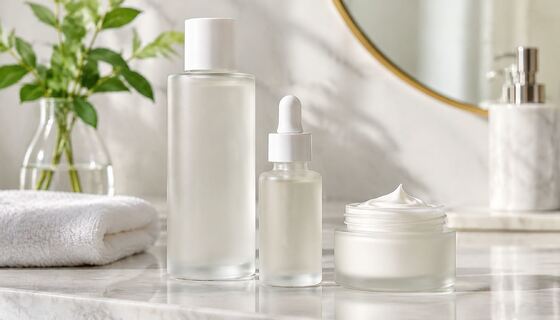
  • Cosmetic AHA Grade: Used as alpha-hydroxy acid (AHA) in skincare for exfoliation, moisturization and skin texture improvement.
  • 15,000 MT Annual Capacity: Reliable bulk commodity supply with regular stock, supported by 25kg HDPE drum international trade packaging.
Description

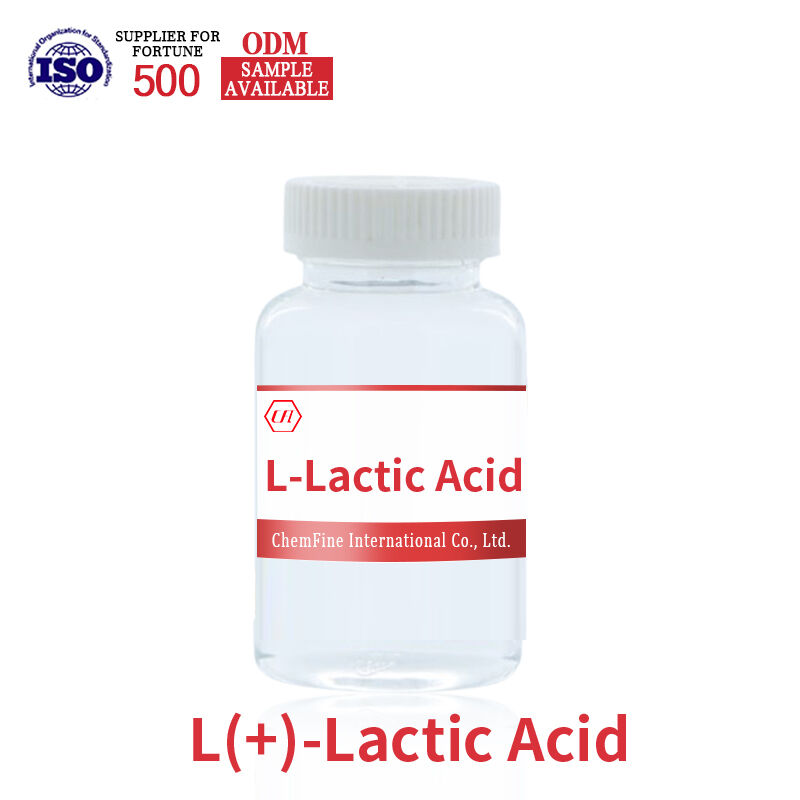
L(+)-Lactic acid (CAS 79-33-4), chemically known as (S)-2-hydroxypropanoic acid, is a naturally occurring organic acid produced by fermentation of carbohydrates such as corn starch, sugarcane or tapioca. With the molecular formula C3H6O3 and molecular weight of 90.08 g/mol, it appears as a colorless to slightly yellow syrupy liquid in 60-88% concentrations, or as a very viscous liquid / crystalline mass in the 99% grade. Classified as food additive E270, L-lactic acid is the L-enantiomer naturally produced in the human body, making it highly bioavailable and suitable for food, cosmetic and pharmaceutical applications. Chemfine supplies food, cosmetic and industrial grade L-lactic acid in 60%, 80%, 88% and 99% concentrations.

Its primary food application is as an acidulant and pH regulator in beverages, juices, carbonated drinks, pickles, sauerkraut, sausages and baked goods. Lactic acid provides a smoother, more mellow sour taste compared to citric acid, and its antimicrobial properties help extend the shelf life of acidic and fermented foods. In meat products, it is used as a curing accelerator and flavor enhancer. In cosmetics, L-lactic acid is a widely used alpha-hydroxy acid (AHA) in facial toners, serums, moisturizers and peels, promoting gentle exfoliation, hydration and skin renewal. The 99% grade is particularly suited for cosmetic formulations and pharmaceutical excipients where minimal water content is desired. In pharmaceuticals, it serves as an excipient and pH adjuster in oral solutions, syrups and topical formulations.

Chemfine supplies L(+)-lactic acid in 25kg HDPE drums with inner seal, with an annual production capacity of 15,000 MT. The product is supported by quality documentation including assay, L-isomer purity, color, chloride, sulphate, heavy metals and iron testing per concentration grade. Technical grades and packaging can be matched to existing food, beverage, cosmetic and pharmaceutical formulation requirements.

Specification
Item60% Grade80% Grade88% Grade99% Grade
Lactic acid assay59.5 – 60.5 %79.5 – 80.5 %87.5 – 88.5 %98.0 – 101.0 %
L-isomer purity≥ 97.0 %≥ 97.0 %≥ 97.0 %≥ 97.0 %
Colour (APHA)≤ 50≤ 50≤ 50≤ 50
Chloride≤ 10 ppm≤ 10 ppm≤ 10 ppm≤ 10 ppm
Sulphate≤ 20 ppm≤ 20 ppm≤ 20 ppm≤ 20 ppm
Heavy metals (as Pb)≤ 10 ppm≤ 10 ppm≤ 10 ppm≤ 10 ppm
Iron≤ 10 ppm≤ 10 ppm≤ 10 ppm≤ 10 ppm
Residue on Ignition≤ 0.1 %≤ 0.1 %≤ 0.1 %≤ 0.1 %
Application

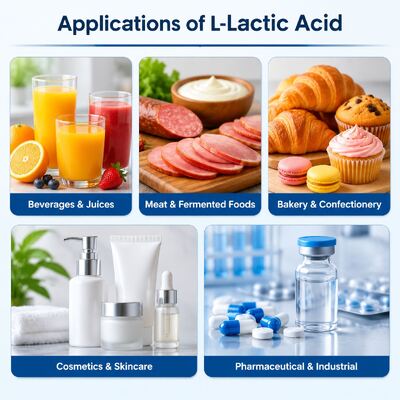
Beverages & Juices: Acidulant and pH regulator in carbonated drinks, fruit juices, sports drinks and flavored water.

Meat & Fermented Foods: Used in sausages, salami, pickles, sauerkraut and olives as a curing agent, preservative and flavor enhancer.

Bakery & Confectionery: pH adjuster and sour dough acidulant in bread, cakes, candies and dairy products.

Cosmetics & Skincare: Alpha-hydroxy acid (AHA) in toners, serums, peels and moisturizers for exfoliation and skin hydration.

Pharmaceutical & Industrial: Excipient in oral solutions, and industrial raw material for PLA biopolymer production and cleaning formulations.

L-Lactic Acid CAS 79-33-4

Key Features
  • Food / cosmetic / industrial grades, 60% / 80% / 88% / 99% concentrations
  • Colorless to slightly yellow syrupy liquid (60-88%); viscous / crystalline mass (99%)
  • Natural fermentation origin, ≥ 97% L-isomer purity
  • Density ~1.18-1.21 g/cm³, MW 90.08
  • Acidulant, preservative and AHA exfoliant
  • 24-month shelf life under dry storage
  • Standard 25kg/drum international trade packaging
Industries Served
  • Food & Beverage Acidulation
  • Meat, Sausage & Fermented Foods
  • Cosmetics & Personal Care (AHA)
  • Pharmaceutical Excipients
  • Polylactic Acid (PLA) Biopolymer
  • Industrial Cleaning & Descaling
Technical FAQ
  1. What is the difference between L-lactic acid and DL-lactic acid?
    L-lactic acid (CAS 79-33-4) is the pure L-enantiomer produced by fermentation, while DL-lactic acid (CAS 50-21-5) is a racemic mixture produced chemically. L-lactic acid is preferred for food and cosmetic use due to natural origin and better skin compatibility.
  2. What concentrations are available?
    We supply food grade L-lactic acid in 60%, 80%, 88% and 99% grades. The 88% grade is the most common standard; the 99% grade is used where minimal water content is required.
  3. Is lactic acid vegan?
    Yes, fermentation-derived L-lactic acid is suitable for vegan and vegetarian diets. It is produced from plant-based carbohydrates such as corn starch or sugarcane.
  4. What is the standard packaging?
    Standard international trade packaging is 25kg HDPE plastic drum with inner seal. Bulk orders can also be loaded in 250kg drums or 1200kg IBC tanks.
  5. What is the shelf life?
    Under recommended cool, dry and sealed storage conditions, the shelf life is 24 months from the date of manufacture.
Good price  online

Products Details

Home > Products >
Food Additives
>
L-Lactic Acid CAS 79-33-4

L-Lactic Acid CAS 79-33-4

Brand Name: Chemfine
Model Number: 60%,80%,88%,99%
Packaging Details: 25kg/drum (HDPE plastic drum with inner seal)
Payment Terms: L/C,T/T
Detail Information
Place of Origin:
China
Brand Name:
Chemfine
Model Number:
60%,80%,88%,99%
Chemical Name:
L(+)-Lactic Acid ((S)-2-Hydroxypropanoic Acid)
Common Name:
L-Lactic Acid; L(+)-Lactic Acid; E270; 2-Hydroxypropionic Acid
CAS Number:
79-33-4
EINECS/EC Number:
201-196-2
Molecular Formula:
C3H6O3
Appearance:
Colorless To Slightly Yellow Syrupy Liquid (60-88%); Colorless Crystalline Mass / Very Viscous Liquid (99%)
Chemical Classification:
Alpha-hydroxy Carboxylic Acid
Chemical Type:
Naturally Occurring (S)-enantiomer Of Lactic Acid, Produced By Fermentation
Core Functions:
Acidulant; PH Regulator; Preservative; Humectant; AHA Exfoliant; Chelating Agent
Main Applications:
Food & Beverage Acidulation; Meat & Sausage Preservation; Bakery; Cosmetics AHA; Pharmaceutical Excipient; Industrial Cleaning
Available Grades:
Food Grade (60%, 80%, 88%, 99%); Cosmetic Grade; Industrial Grade
Delivery Time:
7 – 15 Working Days After Order Confirmation
Sample:
Available
Packaging Details:
25kg/drum (HDPE plastic drum with inner seal)
Delivery Time:
7 – 15 working days after order confirmation
Payment Terms:
L/C,T/T
Supply Ability:
15,000 MT/year
Highlight:

L-Lactic Acid CAS 79-33-4

,

L-Lactic Acid food additive

,

L-Lactic Acid food grade

Product Description
Selling Points
  • Formulation Uses: This raw material is shown for carbonated beverages, juice drinks, pickles and sauerkraut, sausage and meat products, bakery goods, skincare and AHA cosmetics, and pharmaceutical oral solution applications.
  • Natural Fermentation Origin: L(+)-lactic acid is produced by carbohydrate fermentation, not chemical synthesis, meeting clean label and natural food formulation requirements.
  • Four Concentration Grades Available: Supplied in 60%, 80%, 88% and 99% grades to match different food, cosmetic, pharmaceutical and industrial formulation needs.
  • Effective Acidulant & Preservative: Provides gentle sour taste, pH regulation and antimicrobial action in acidic foods, extending shelf life without harsh aftertaste.
  • Cosmetic AHA Grade: Used as alpha-hydroxy acid (AHA) in skincare for exfoliation, moisturization and skin texture improvement.
  • 15,000 MT Annual Capacity: Reliable bulk commodity supply with regular stock, supported by 25kg HDPE drum international trade packaging.
Description

L(+)-Lactic acid (CAS 79-33-4), chemically known as (S)-2-hydroxypropanoic acid, is a naturally occurring organic acid produced by fermentation of carbohydrates such as corn starch, sugarcane or tapioca. With the molecular formula C3H6O3 and molecular weight of 90.08 g/mol, it appears as a colorless to slightly yellow syrupy liquid in 60-88% concentrations, or as a very viscous liquid / crystalline mass in the 99% grade. Classified as food additive E270, L-lactic acid is the L-enantiomer naturally produced in the human body, making it highly bioavailable and suitable for food, cosmetic and pharmaceutical applications. Chemfine supplies food, cosmetic and industrial grade L-lactic acid in 60%, 80%, 88% and 99% concentrations.

Its primary food application is as an acidulant and pH regulator in beverages, juices, carbonated drinks, pickles, sauerkraut, sausages and baked goods. Lactic acid provides a smoother, more mellow sour taste compared to citric acid, and its antimicrobial properties help extend the shelf life of acidic and fermented foods. In meat products, it is used as a curing accelerator and flavor enhancer. In cosmetics, L-lactic acid is a widely used alpha-hydroxy acid (AHA) in facial toners, serums, moisturizers and peels, promoting gentle exfoliation, hydration and skin renewal. The 99% grade is particularly suited for cosmetic formulations and pharmaceutical excipients where minimal water content is desired. In pharmaceuticals, it serves as an excipient and pH adjuster in oral solutions, syrups and topical formulations.

Chemfine supplies L(+)-lactic acid in 25kg HDPE drums with inner seal, with an annual production capacity of 15,000 MT. The product is supported by quality documentation including assay, L-isomer purity, color, chloride, sulphate, heavy metals and iron testing per concentration grade. Technical grades and packaging can be matched to existing food, beverage, cosmetic and pharmaceutical formulation requirements.

Specification
Item60% Grade80% Grade88% Grade99% Grade
Lactic acid assay59.5 – 60.5 %79.5 – 80.5 %87.5 – 88.5 %98.0 – 101.0 %
L-isomer purity≥ 97.0 %≥ 97.0 %≥ 97.0 %≥ 97.0 %
Colour (APHA)≤ 50≤ 50≤ 50≤ 50
Chloride≤ 10 ppm≤ 10 ppm≤ 10 ppm≤ 10 ppm
Sulphate≤ 20 ppm≤ 20 ppm≤ 20 ppm≤ 20 ppm
Heavy metals (as Pb)≤ 10 ppm≤ 10 ppm≤ 10 ppm≤ 10 ppm
Iron≤ 10 ppm≤ 10 ppm≤ 10 ppm≤ 10 ppm
Residue on Ignition≤ 0.1 %≤ 0.1 %≤ 0.1 %≤ 0.1 %
Application

Beverages & Juices: Acidulant and pH regulator in carbonated drinks, fruit juices, sports drinks and flavored water.

Meat & Fermented Foods: Used in sausages, salami, pickles, sauerkraut and olives as a curing agent, preservative and flavor enhancer.

Bakery & Confectionery: pH adjuster and sour dough acidulant in bread, cakes, candies and dairy products.

Cosmetics & Skincare: Alpha-hydroxy acid (AHA) in toners, serums, peels and moisturizers for exfoliation and skin hydration.

Pharmaceutical & Industrial: Excipient in oral solutions, and industrial raw material for PLA biopolymer production and cleaning formulations.

L-Lactic Acid CAS 79-33-4

Key Features
  • Food / cosmetic / industrial grades, 60% / 80% / 88% / 99% concentrations
  • Colorless to slightly yellow syrupy liquid (60-88%); viscous / crystalline mass (99%)
  • Natural fermentation origin, ≥ 97% L-isomer purity
  • Density ~1.18-1.21 g/cm³, MW 90.08
  • Acidulant, preservative and AHA exfoliant
  • 24-month shelf life under dry storage
  • Standard 25kg/drum international trade packaging
Industries Served
  • Food & Beverage Acidulation
  • Meat, Sausage & Fermented Foods
  • Cosmetics & Personal Care (AHA)
  • Pharmaceutical Excipients
  • Polylactic Acid (PLA) Biopolymer
  • Industrial Cleaning & Descaling
Technical FAQ
  1. What is the difference between L-lactic acid and DL-lactic acid?
    L-lactic acid (CAS 79-33-4) is the pure L-enantiomer produced by fermentation, while DL-lactic acid (CAS 50-21-5) is a racemic mixture produced chemically. L-lactic acid is preferred for food and cosmetic use due to natural origin and better skin compatibility.
  2. What concentrations are available?
    We supply food grade L-lactic acid in 60%, 80%, 88% and 99% grades. The 88% grade is the most common standard; the 99% grade is used where minimal water content is required.
  3. Is lactic acid vegan?
    Yes, fermentation-derived L-lactic acid is suitable for vegan and vegetarian diets. It is produced from plant-based carbohydrates such as corn starch or sugarcane.
  4. What is the standard packaging?
    Standard international trade packaging is 25kg HDPE plastic drum with inner seal. Bulk orders can also be loaded in 250kg drums or 1200kg IBC tanks.
  5. What is the shelf life?
    Under recommended cool, dry and sealed storage conditions, the shelf life is 24 months from the date of manufacture.