logo
Good price  online

products details

Home > Products >
Food Additives
>
Glycerol Monolaurate (GML) CAS 142-18-7

Glycerol Monolaurate (GML) CAS 142-18-7

Brand Name: Chemfine
Packaging Details: 25kg/bag (multi-wall kraft paper bag with PE inner liner)
Payment Terms: L/C,T/T
Detail Information
Place of Origin:
China
Chemical Name:
Glycerol Monolaurate
Common Name:
Glycerol Monolaurate; GML; Monolaurin; Glyceryl Laurate; E471
CAS Number:
142-18-7
EINECS/EC Number:
205-526-6
Molecular Formula:
C15H30O4
Appearance:
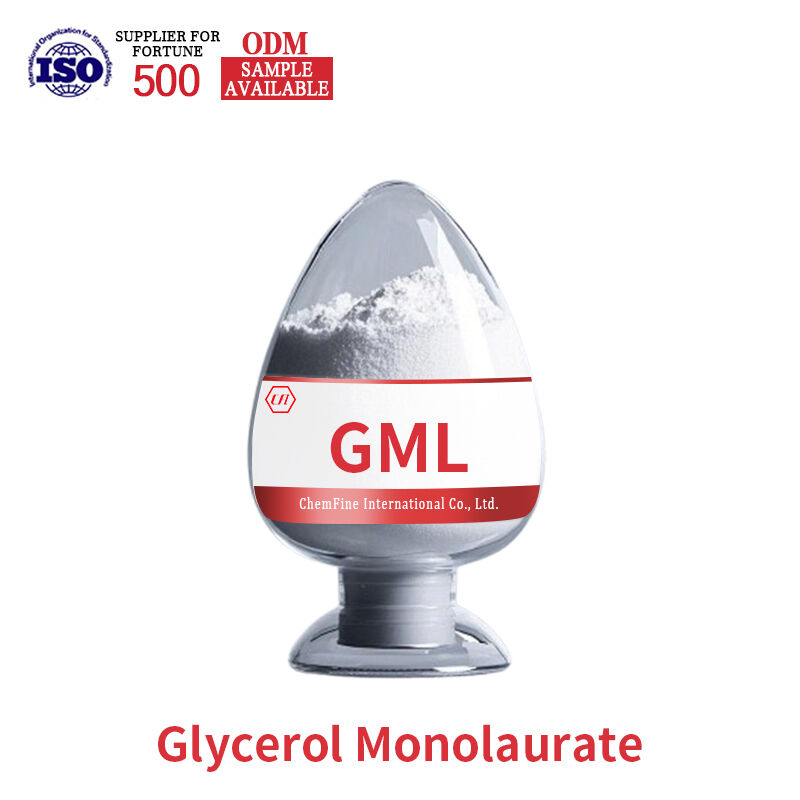
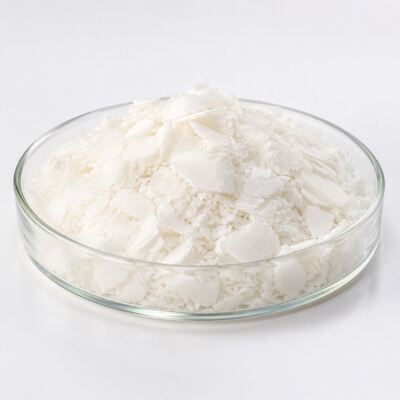
White To Off-white Waxy Powder Or Flakes
Chemical Classification:
Nonionic Surfactant / Monoglyceride
Chemical Type:
Monoester Of Glycerol And Lauric Acid (C12:0)
Core Functions:
Emulsifier; Antimicrobial; Preservative; Stabilizer; Dough Conditioner; Surfactant
Main Applications:
Bakery & Starch Products; Meat & Dairy; Cosmetics; Dietary Supplements; Beverage & Flavor Emulsions
Available Grades:
Food Grade; Cosmetic Grade; Industrial Grade
Delivery Time:
7 – 15 Working Days After Order Confirmation
Sample:
Available
Supply Ability:
3,000 MT/year
Highlight:

Glycerol Monolaurate CAS 142-18-7

,

GML food additive emulsifier

,

Glycerol Monolaurate antimicrobial additive

Product Description
Selling Points
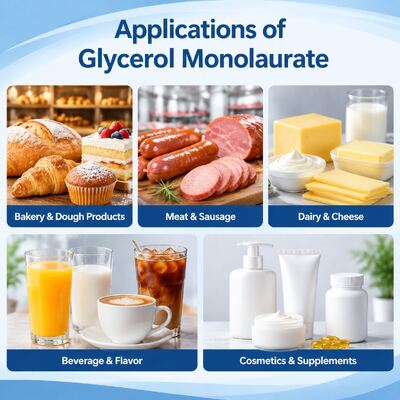
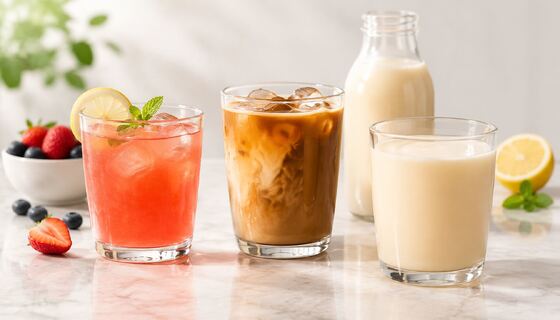
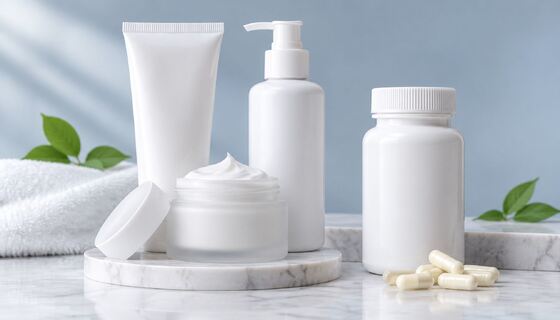
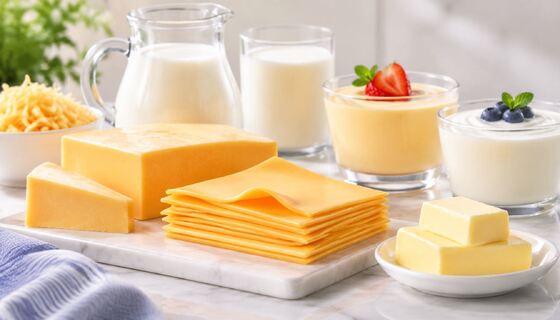
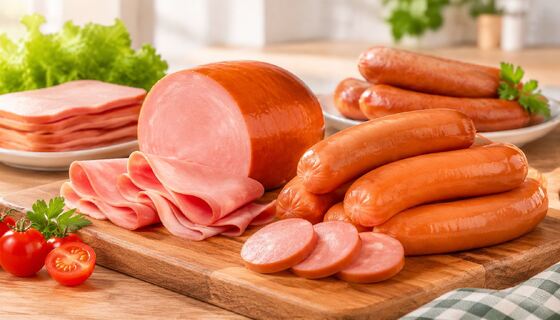
  • Formulation Uses: This raw material is shown for bakery and bread dough, meat and sausage products, cheese and dairy, beverage and flavor emulsions, cosmetic creams and lotions, and monolaurin dietary supplement applications.
  • Dual Emulsifier & Antimicrobial: Combines nonionic emulsifying properties with broad-spectrum antimicrobial activity against bacteria, fungi and enveloped viruses.
  • Food Grade E471 Quality: Standard 90% minimum monolaurin content with tight acid value, iodine value and saponification specifications for direct food use.
  • Natural Fatty Acid Base: Produced from glycerol and lauric acid (C12:0), suitable for clean label and natural product positioning.
  • Multi-Grade Coverage: Food grade, cosmetic grade and industrial grade available, covering bakery, dairy, personal care and supplement needs.
  • 3,000 MT Annual Capacity: Reliable bulk supply for food, cosmetic and supplement manufacturer orders, supported by 25kg/bag international trade packaging.
Description

Glycerol monolaurate (CAS 142-18-7), also known as glyceryl laurate or monolaurin, is a monoglyceride formed by esterifying glycerol with lauric acid (C12:0 saturated fatty acid). With the molecular formula C15H30O4 and molecular weight of 274.40 g/mol, it appears as a white to off-white waxy powder or flakes with a melting point of approximately 60-65 ℃. Classified as food additive E471, GML is a nonionic surfactant valued both as an emulsifier and as a natural antimicrobial preservative. It is widely used in food, cosmetics, dietary supplements and pharmaceutical formulations. Chemfine supplies food, cosmetic and industrial grade glycerol monolaurate in bulk for diverse application needs.

Its primary food application is as an emulsifier and preservative in bakery products, where it improves dough conditioning, bread volume and shelf life. In meat and sausage products, GML acts as an antimicrobial agent against spoilage bacteria and molds, extending refrigerated shelf life. In dairy and cheese, it functions as an emulsifying salt and texture modifier. In beverages and flavor systems, it stabilizes oil-in-water emulsions and prevents creaming. In cosmetics, glycerol monolaurate is used as a nonionic emulsifier in creams, lotions and skin care products. As a dietary supplement, monolaurin is marketed for its immune support and antimicrobial properties. The C12 chain length gives GML its unique antimicrobial activity against Gram-positive bacteria, yeasts, molds and enveloped viruses.

Chemfine supplies glycerol monolaurate in 25kg multi-wall kraft paper bags with PE inner liner, with an annual production capacity of 3,000 MT. The product is supported by quality documentation including monolaurin content, acid value, iodine value, saponification value, heavy metals and arsenic testing. Technical grades and packaging can be matched to existing bakery, meat, dairy, cosmetic and supplement formulation requirements.

Specification
Item Standard Specification
Appearance White to off-white waxy powder
Monolaurin content ≥ 90.0 %
Acid value ≤ 3.0 mg KOH/g
Iodine value ≤ 1.0 g I2/100g
Saponification value 205 – 215 mg KOH/g
Melting point 60 – 65 ℃
Heavy metals (as Pb) ≤ 10 ppm
Arsenic (As) ≤ 3 ppm
Application

Bakery & Dough Products: Emulsifier and dough conditioner in bread, cakes and pastries for improved volume, texture and shelf life.

Meat & Sausage: Natural antimicrobial preservative against spoilage bacteria and molds in processed meat products.

Dairy & Cheese: Emulsifying salt and texture modifier in processed cheese, margarine and dairy desserts.

Beverage & Flavor: Stabilizer for oil-in-water emulsions in flavored drinks, coffee whiteners and beverage creamer systems.

Cosmetics & Supplements: Nonionic emulsifier in creams and lotions, and monolaurin ingredient in immune support dietary supplements.

Glycerol Monolaurate (GML) CAS 142-18-7

Key Features
  • Food / cosmetic / industrial grade, E471
  • White to off-white waxy powder, melting point 60-65 ℃
  • ≥ 90.0% monolaurin content
  • HLB ~ 5.2-5.9, nonionic surfactant
  • Dual emulsifier and broad-spectrum antimicrobial
  • 24-month shelf life under dry storage
  • Standard 25kg/bag international trade packaging
Industries Served
  • Bakery & Starch Product Manufacturing
  • Meat, Sausage & Dairy Processing
  • Beverage & Flavor Emulsions
  • Cosmetics & Personal Care
  • Dietary Supplement Manufacturing
  • Industrial Emulsifier & Biocide Formulation
Technical FAQ
  1. What is the difference between GML and GMS?
    GML (glycerol monolaurate, C12 lauric acid) has stronger antimicrobial activity and a lower HLB, while GMS (glycerol monostearate, C18 stearic acid) is a more general-purpose emulsifier for bakery and dairy products.
  2. Is glycerol monolaurate safe for food use?
    Yes, GML is approved as food additive E471 in the EU and is generally recognized as safe (GRAS) for use as an emulsifier and antimicrobial in food products.
  3. What microorganisms does GML act against?
    GML is active against Gram-positive bacteria, yeasts, molds and enveloped viruses. It is less effective against Gram-negative bacteria.
  4. What is the standard packaging?
    Standard international trade packaging is 25kg multi-wall kraft paper bag with PE inner liner, loaded by 20' or 40' container.
  5. What is the shelf life?
    Under recommended cool, dry and sealed storage conditions, the shelf life is 24 months from the date of manufacture.
Good price  online

Products Details

Home > Products >
Food Additives
>
Glycerol Monolaurate (GML) CAS 142-18-7

Glycerol Monolaurate (GML) CAS 142-18-7

Brand Name: Chemfine
Packaging Details: 25kg/bag (multi-wall kraft paper bag with PE inner liner)
Payment Terms: L/C,T/T
Detail Information
Place of Origin:
China
Brand Name:
Chemfine
Chemical Name:
Glycerol Monolaurate
Common Name:
Glycerol Monolaurate; GML; Monolaurin; Glyceryl Laurate; E471
CAS Number:
142-18-7
EINECS/EC Number:
205-526-6
Molecular Formula:
C15H30O4
Appearance:
White To Off-white Waxy Powder Or Flakes
Chemical Classification:
Nonionic Surfactant / Monoglyceride
Chemical Type:
Monoester Of Glycerol And Lauric Acid (C12:0)
Core Functions:
Emulsifier; Antimicrobial; Preservative; Stabilizer; Dough Conditioner; Surfactant
Main Applications:
Bakery & Starch Products; Meat & Dairy; Cosmetics; Dietary Supplements; Beverage & Flavor Emulsions
Available Grades:
Food Grade; Cosmetic Grade; Industrial Grade
Delivery Time:
7 – 15 Working Days After Order Confirmation
Sample:
Available
Packaging Details:
25kg/bag (multi-wall kraft paper bag with PE inner liner)
Delivery Time:
7 – 15 working days after order confirmation
Payment Terms:
L/C,T/T
Supply Ability:
3,000 MT/year
Highlight:

Glycerol Monolaurate CAS 142-18-7

,

GML food additive emulsifier

,

Glycerol Monolaurate antimicrobial additive

Product Description
Selling Points
  • Formulation Uses: This raw material is shown for bakery and bread dough, meat and sausage products, cheese and dairy, beverage and flavor emulsions, cosmetic creams and lotions, and monolaurin dietary supplement applications.
  • Dual Emulsifier & Antimicrobial: Combines nonionic emulsifying properties with broad-spectrum antimicrobial activity against bacteria, fungi and enveloped viruses.
  • Food Grade E471 Quality: Standard 90% minimum monolaurin content with tight acid value, iodine value and saponification specifications for direct food use.
  • Natural Fatty Acid Base: Produced from glycerol and lauric acid (C12:0), suitable for clean label and natural product positioning.
  • Multi-Grade Coverage: Food grade, cosmetic grade and industrial grade available, covering bakery, dairy, personal care and supplement needs.
  • 3,000 MT Annual Capacity: Reliable bulk supply for food, cosmetic and supplement manufacturer orders, supported by 25kg/bag international trade packaging.
Description

Glycerol monolaurate (CAS 142-18-7), also known as glyceryl laurate or monolaurin, is a monoglyceride formed by esterifying glycerol with lauric acid (C12:0 saturated fatty acid). With the molecular formula C15H30O4 and molecular weight of 274.40 g/mol, it appears as a white to off-white waxy powder or flakes with a melting point of approximately 60-65 ℃. Classified as food additive E471, GML is a nonionic surfactant valued both as an emulsifier and as a natural antimicrobial preservative. It is widely used in food, cosmetics, dietary supplements and pharmaceutical formulations. Chemfine supplies food, cosmetic and industrial grade glycerol monolaurate in bulk for diverse application needs.

Its primary food application is as an emulsifier and preservative in bakery products, where it improves dough conditioning, bread volume and shelf life. In meat and sausage products, GML acts as an antimicrobial agent against spoilage bacteria and molds, extending refrigerated shelf life. In dairy and cheese, it functions as an emulsifying salt and texture modifier. In beverages and flavor systems, it stabilizes oil-in-water emulsions and prevents creaming. In cosmetics, glycerol monolaurate is used as a nonionic emulsifier in creams, lotions and skin care products. As a dietary supplement, monolaurin is marketed for its immune support and antimicrobial properties. The C12 chain length gives GML its unique antimicrobial activity against Gram-positive bacteria, yeasts, molds and enveloped viruses.

Chemfine supplies glycerol monolaurate in 25kg multi-wall kraft paper bags with PE inner liner, with an annual production capacity of 3,000 MT. The product is supported by quality documentation including monolaurin content, acid value, iodine value, saponification value, heavy metals and arsenic testing. Technical grades and packaging can be matched to existing bakery, meat, dairy, cosmetic and supplement formulation requirements.

Specification
Item Standard Specification
Appearance White to off-white waxy powder
Monolaurin content ≥ 90.0 %
Acid value ≤ 3.0 mg KOH/g
Iodine value ≤ 1.0 g I2/100g
Saponification value 205 – 215 mg KOH/g
Melting point 60 – 65 ℃
Heavy metals (as Pb) ≤ 10 ppm
Arsenic (As) ≤ 3 ppm
Application

Bakery & Dough Products: Emulsifier and dough conditioner in bread, cakes and pastries for improved volume, texture and shelf life.

Meat & Sausage: Natural antimicrobial preservative against spoilage bacteria and molds in processed meat products.

Dairy & Cheese: Emulsifying salt and texture modifier in processed cheese, margarine and dairy desserts.

Beverage & Flavor: Stabilizer for oil-in-water emulsions in flavored drinks, coffee whiteners and beverage creamer systems.

Cosmetics & Supplements: Nonionic emulsifier in creams and lotions, and monolaurin ingredient in immune support dietary supplements.

Glycerol Monolaurate (GML) CAS 142-18-7

Key Features
  • Food / cosmetic / industrial grade, E471
  • White to off-white waxy powder, melting point 60-65 ℃
  • ≥ 90.0% monolaurin content
  • HLB ~ 5.2-5.9, nonionic surfactant
  • Dual emulsifier and broad-spectrum antimicrobial
  • 24-month shelf life under dry storage
  • Standard 25kg/bag international trade packaging
Industries Served
  • Bakery & Starch Product Manufacturing
  • Meat, Sausage & Dairy Processing
  • Beverage & Flavor Emulsions
  • Cosmetics & Personal Care
  • Dietary Supplement Manufacturing
  • Industrial Emulsifier & Biocide Formulation
Technical FAQ
  1. What is the difference between GML and GMS?
    GML (glycerol monolaurate, C12 lauric acid) has stronger antimicrobial activity and a lower HLB, while GMS (glycerol monostearate, C18 stearic acid) is a more general-purpose emulsifier for bakery and dairy products.
  2. Is glycerol monolaurate safe for food use?
    Yes, GML is approved as food additive E471 in the EU and is generally recognized as safe (GRAS) for use as an emulsifier and antimicrobial in food products.
  3. What microorganisms does GML act against?
    GML is active against Gram-positive bacteria, yeasts, molds and enveloped viruses. It is less effective against Gram-negative bacteria.
  4. What is the standard packaging?
    Standard international trade packaging is 25kg multi-wall kraft paper bag with PE inner liner, loaded by 20' or 40' container.
  5. What is the shelf life?
    Under recommended cool, dry and sealed storage conditions, the shelf life is 24 months from the date of manufacture.