logo
Good price  online

products details

Home > Products >
Food Additives
>
Sorbitol CAS 50-70-4

Sorbitol CAS 50-70-4

Brand Name: Chemfine International
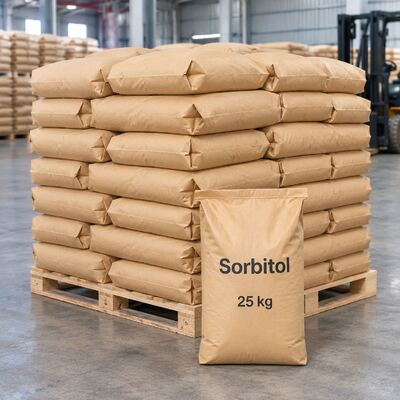
Packaging Details: 25kg/bag (multi-wall kraft paper bag with PE inner liner)
Detail Information
Place of Origin:
China
Chemical Name:
D-Sorbitol (D-Glucitol)
Common Name:
Sorbitol; D-Sorbitol; D-Glucitol; E420
CAS Number:
50-70-4
EINECS/EC Number:
200-061-5
Molecular Formula:
C6H14O6
Appearance:
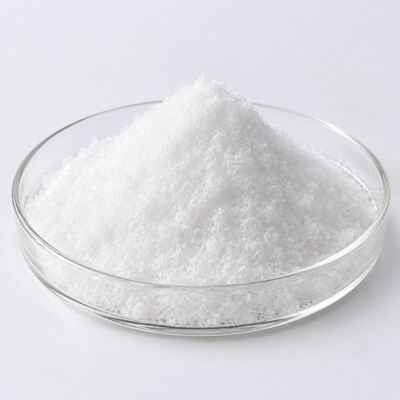
White Crystalline Powder
Chemical Classification:
Sugar Alcohol / Polyol
Chemical Type:
Hexahydric Alcohol (sugar Alcohol Derived From Glucose)
Core Functions:
Sweetener; Humectant; Excipient; Anti-crystallization Agent; Plasticizer; Chemical Intermediate
Main Applications:
Sugar-free Confectionery; Toothpaste & Cosmetics; Pharmaceutical Excipients; Vitamin C & Sorbitan Ester Production
Available Grades:
Food Grade; Cosmetic Grade; Industrial Grade
Delivery Time:
7 – 15 Working Days After Order Confirmation
Sample:
Available
Supply Ability:
20,000 MT/year
Highlight:

Sorbitol CAS 50-70-4

,

Sorbitol food additive

,

Sorbitol sweetener

Product Description
Product Selling Points

Formulation Uses: This raw material is shown for sugar-free candy, toothpaste and oral care, cream and lotion, bakery products, sugar-free food, pharmaceutical syrups, vitamin C production, and sorbitan ester manufacturing applications.

99% High Purity Crystalline Powder: Sorbitol assay ≥99.0% with tight water content (≤1.0%), reducing sugar (≤0.1%) and ash (≤0.1%) specifications, suitable for direct food, cosmetic and pharmaceutical use.

Effective Humectant & Sugar Replacement: Provides ~50-60% of sucrose sweetness with excellent moisture retention, anti-crystallization properties and low caloric value (~2.6 kcal/g).

Multi-Grade Coverage: Food grade, cosmetic grade and industrial grade available, covering confectionery, personal care, pharma and chemical intermediate needs.

Proven Industrial Track Record: Used as raw material for vitamin C (ascorbic acid), sorbitan esters (Spans/Tweens) and polyether polyol production.

20,000 MT Annual Capacity: Reliable bulk commodity supply with regular stock, supported by 25kg/bag international trade packaging.

Product Introduction

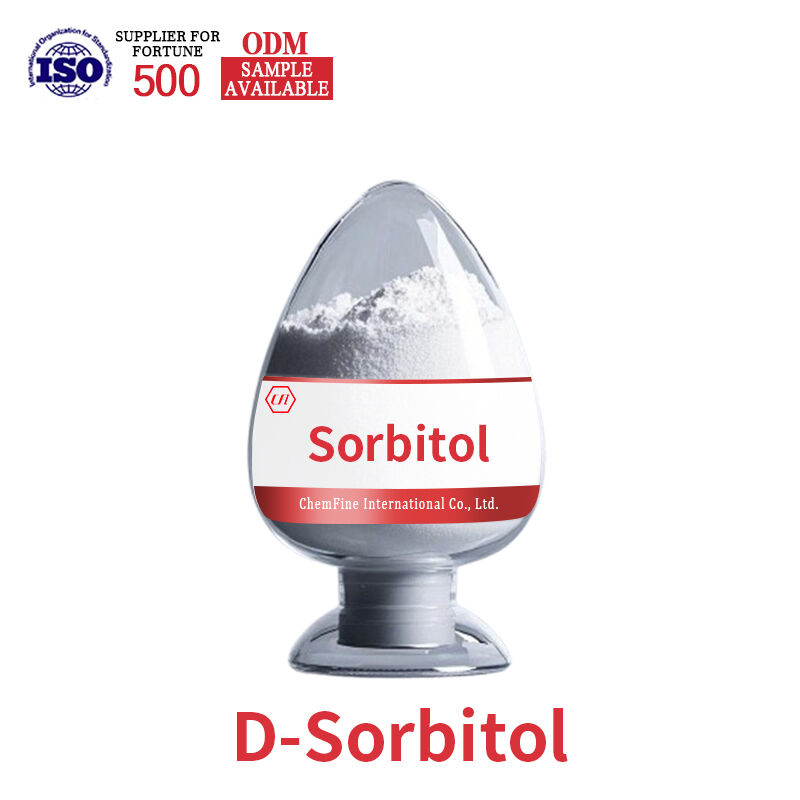
D-Sorbitol (CAS 50-70-4), chemically known as D-glucitol, is a naturally occurring sugar alcohol produced by catalytic hydrogenation of glucose. With the molecular formula C6H14O6 and molecular weight of 182.17 g/mol, it is a white crystalline powder with approximately 50-60% of the sweetness of sucrose and a clean, sweet taste. As food additive E420, sorbitol is widely used as a low-calorie sweetener, humectant and excipient across food, cosmetic, pharmaceutical and industrial applications. Chemfine supplies food, cosmetic and industrial grade sorbitol powder 99% for diverse formulation and manufacturing uses.

Its primary food application is in sugar-free confectionery, where sorbitol's non-cariogenicity, low hygroscopicity and anti-crystallization properties make it ideal for hard candy, chewing gum, chocolate and baked goods. In cosmetics and personal care, sorbitol is a standard humectant in toothpaste, creams, lotions and skincare formulations, providing moisture retention and a smooth mouthfeel. In pharmaceuticals, it serves as an excipient in syrups, oral suspensions and tablet formulations. Industrially, sorbitol is a key raw material for vitamin C (ascorbic acid) synthesis, sorbitan ester surfactants (Spans and Tweens) and polyether polyol production.

Chemfine supplies sorbitol powder 99% in 25kg multi-wall kraft paper bags with PE inner liner, with an annual production capacity of 20,000 MT. The product is supported by complete quality documentation including assay, water content, reducing sugar, total sugar, ash and pH testing per batch. Technical grades and packaging can be matched to existing food, cosmetic, pharmaceutical and industrial formulation requirements.

Certificate of Analysis (COA)
No. Test Item Specification Test Result
1 Sorbitol assay ≥ 99.0 % 99.6 %
2 Water ≤ 1.0 % 0.2 %
3 Reducing sugar ≤ 0.1 % 0.02 %
4 Total sugar ≤ 0.5 % 0.03 %
5 Ash ≤ 0.1 % 0.01 %
6 pH (10% solution) 5.0 – 7.0 6.1
Core Application Scenarios

Sorbitol CAS 50-70-4

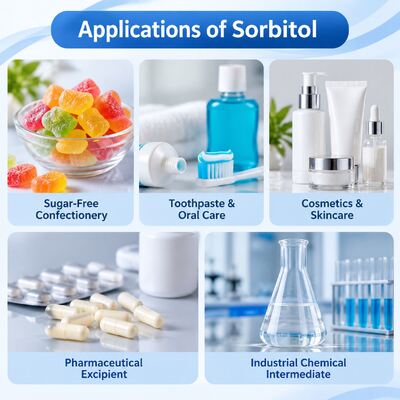
Sugar-Free Confectionery: Non-cariogenic sweetener and humectant for hard candy, chewing gum, chocolate and sugar-free baked goods.

Toothpaste & Oral Care: Standard humectant in toothpaste, mouthwash and oral care products to maintain texture and prevent drying.

Cosmetics & Skincare: Humectant and moisturizing agent in creams, lotions, serums and body care formulations.

Pharmaceutical Excipient: Excipient and sweetener in syrups, oral suspensions, tablet coatings and vitamin preparations.

Industrial Chemical Intermediate: Raw material for vitamin C (ascorbic acid), sorbitan ester surfactants and polyether polyol production.

Key Features
  • ≥99.0% assay, food / cosmetic / industrial grade
  • White crystalline powder, freely soluble in water
  • Melting point ~95-110°C, MW 182.17
  • ~50-60% sweetness of sucrose, non-cariogenic
  • Humectant, anti-crystallization and excipient properties
  • 24-month shelf life under dry storage
  • Standard 25kg/bag international trade packaging
Industries Served
  • Confectionery & Sugar-Free Food Manufacturing
  • Cosmetics & Oral Care (Toothpaste)
  • Pharmaceutical Excipients & Oral Solutions
  • Vitamin C & Fine Chemical Production
  • Surfactant (Sorbitan Ester) Manufacturing
  • Polyether Polyol & Industrial Chemicals
Technical FAQ
  1. What is the difference between sorbitol powder 99% and sorbitol solution 70%?
    Sorbitol powder 99% is the crystalline dry form, while sorbitol solution 70% is an aqueous liquid form. The powder is preferred for dry blends, candy and tablet formulations; the solution is used in beverages, syrups and liquid products.
  2. Is sorbitol suitable for diabetics?
    Sorbitol has a low glycemic index and is metabolized slowly, making it commonly used in diabetic foods. However, it is a calorie-containing carbohydrate (~2.6 kcal/g) and should be consumed in moderation.
  3. Does sorbitol cause laxative effects?
    Like other sugar alcohols, sorbitol may cause mild laxative effects at high intake levels (typically above 20-30g/day). It is also used medically as an osmotic laxative.
  4. What is the standard packaging?
    Standard international trade packaging is 25kg multi-wall kraft paper bag with PE inner liner, as confirmed in the attached COA.
  5. What is the shelf life?
    Under recommended cool, dry and sealed storage conditions, the shelf life is 24 months from the date of manufacture (per attached COA: November 13, 2028). ---
Good price  online

Products Details

Home > Products >
Food Additives
>
Sorbitol CAS 50-70-4

Sorbitol CAS 50-70-4

Brand Name: Chemfine International
Packaging Details: 25kg/bag (multi-wall kraft paper bag with PE inner liner)
Detail Information
Place of Origin:
China
Brand Name:
Chemfine International
Chemical Name:
D-Sorbitol (D-Glucitol)
Common Name:
Sorbitol; D-Sorbitol; D-Glucitol; E420
CAS Number:
50-70-4
EINECS/EC Number:
200-061-5
Molecular Formula:
C6H14O6
Appearance:
White Crystalline Powder
Chemical Classification:
Sugar Alcohol / Polyol
Chemical Type:
Hexahydric Alcohol (sugar Alcohol Derived From Glucose)
Core Functions:
Sweetener; Humectant; Excipient; Anti-crystallization Agent; Plasticizer; Chemical Intermediate
Main Applications:
Sugar-free Confectionery; Toothpaste & Cosmetics; Pharmaceutical Excipients; Vitamin C & Sorbitan Ester Production
Available Grades:
Food Grade; Cosmetic Grade; Industrial Grade
Delivery Time:
7 – 15 Working Days After Order Confirmation
Sample:
Available
Packaging Details:
25kg/bag (multi-wall kraft paper bag with PE inner liner)
Delivery Time:
7 – 15 working days after order confirmation
Supply Ability:
20,000 MT/year
Highlight:

Sorbitol CAS 50-70-4

,

Sorbitol food additive

,

Sorbitol sweetener

Product Description
Product Selling Points

Formulation Uses: This raw material is shown for sugar-free candy, toothpaste and oral care, cream and lotion, bakery products, sugar-free food, pharmaceutical syrups, vitamin C production, and sorbitan ester manufacturing applications.

99% High Purity Crystalline Powder: Sorbitol assay ≥99.0% with tight water content (≤1.0%), reducing sugar (≤0.1%) and ash (≤0.1%) specifications, suitable for direct food, cosmetic and pharmaceutical use.

Effective Humectant & Sugar Replacement: Provides ~50-60% of sucrose sweetness with excellent moisture retention, anti-crystallization properties and low caloric value (~2.6 kcal/g).

Multi-Grade Coverage: Food grade, cosmetic grade and industrial grade available, covering confectionery, personal care, pharma and chemical intermediate needs.

Proven Industrial Track Record: Used as raw material for vitamin C (ascorbic acid), sorbitan esters (Spans/Tweens) and polyether polyol production.

20,000 MT Annual Capacity: Reliable bulk commodity supply with regular stock, supported by 25kg/bag international trade packaging.

Product Introduction

D-Sorbitol (CAS 50-70-4), chemically known as D-glucitol, is a naturally occurring sugar alcohol produced by catalytic hydrogenation of glucose. With the molecular formula C6H14O6 and molecular weight of 182.17 g/mol, it is a white crystalline powder with approximately 50-60% of the sweetness of sucrose and a clean, sweet taste. As food additive E420, sorbitol is widely used as a low-calorie sweetener, humectant and excipient across food, cosmetic, pharmaceutical and industrial applications. Chemfine supplies food, cosmetic and industrial grade sorbitol powder 99% for diverse formulation and manufacturing uses.

Its primary food application is in sugar-free confectionery, where sorbitol's non-cariogenicity, low hygroscopicity and anti-crystallization properties make it ideal for hard candy, chewing gum, chocolate and baked goods. In cosmetics and personal care, sorbitol is a standard humectant in toothpaste, creams, lotions and skincare formulations, providing moisture retention and a smooth mouthfeel. In pharmaceuticals, it serves as an excipient in syrups, oral suspensions and tablet formulations. Industrially, sorbitol is a key raw material for vitamin C (ascorbic acid) synthesis, sorbitan ester surfactants (Spans and Tweens) and polyether polyol production.

Chemfine supplies sorbitol powder 99% in 25kg multi-wall kraft paper bags with PE inner liner, with an annual production capacity of 20,000 MT. The product is supported by complete quality documentation including assay, water content, reducing sugar, total sugar, ash and pH testing per batch. Technical grades and packaging can be matched to existing food, cosmetic, pharmaceutical and industrial formulation requirements.

Certificate of Analysis (COA)
No. Test Item Specification Test Result
1 Sorbitol assay ≥ 99.0 % 99.6 %
2 Water ≤ 1.0 % 0.2 %
3 Reducing sugar ≤ 0.1 % 0.02 %
4 Total sugar ≤ 0.5 % 0.03 %
5 Ash ≤ 0.1 % 0.01 %
6 pH (10% solution) 5.0 – 7.0 6.1
Core Application Scenarios

Sorbitol CAS 50-70-4

Sugar-Free Confectionery: Non-cariogenic sweetener and humectant for hard candy, chewing gum, chocolate and sugar-free baked goods.

Toothpaste & Oral Care: Standard humectant in toothpaste, mouthwash and oral care products to maintain texture and prevent drying.

Cosmetics & Skincare: Humectant and moisturizing agent in creams, lotions, serums and body care formulations.

Pharmaceutical Excipient: Excipient and sweetener in syrups, oral suspensions, tablet coatings and vitamin preparations.

Industrial Chemical Intermediate: Raw material for vitamin C (ascorbic acid), sorbitan ester surfactants and polyether polyol production.

Key Features
  • ≥99.0% assay, food / cosmetic / industrial grade
  • White crystalline powder, freely soluble in water
  • Melting point ~95-110°C, MW 182.17
  • ~50-60% sweetness of sucrose, non-cariogenic
  • Humectant, anti-crystallization and excipient properties
  • 24-month shelf life under dry storage
  • Standard 25kg/bag international trade packaging
Industries Served
  • Confectionery & Sugar-Free Food Manufacturing
  • Cosmetics & Oral Care (Toothpaste)
  • Pharmaceutical Excipients & Oral Solutions
  • Vitamin C & Fine Chemical Production
  • Surfactant (Sorbitan Ester) Manufacturing
  • Polyether Polyol & Industrial Chemicals
Technical FAQ
  1. What is the difference between sorbitol powder 99% and sorbitol solution 70%?
    Sorbitol powder 99% is the crystalline dry form, while sorbitol solution 70% is an aqueous liquid form. The powder is preferred for dry blends, candy and tablet formulations; the solution is used in beverages, syrups and liquid products.
  2. Is sorbitol suitable for diabetics?
    Sorbitol has a low glycemic index and is metabolized slowly, making it commonly used in diabetic foods. However, it is a calorie-containing carbohydrate (~2.6 kcal/g) and should be consumed in moderation.
  3. Does sorbitol cause laxative effects?
    Like other sugar alcohols, sorbitol may cause mild laxative effects at high intake levels (typically above 20-30g/day). It is also used medically as an osmotic laxative.
  4. What is the standard packaging?
    Standard international trade packaging is 25kg multi-wall kraft paper bag with PE inner liner, as confirmed in the attached COA.
  5. What is the shelf life?
    Under recommended cool, dry and sealed storage conditions, the shelf life is 24 months from the date of manufacture (per attached COA: November 13, 2028). ---