logo
Good price  online

products details

Home > Products >
Pharmaceutical Intermediates
>
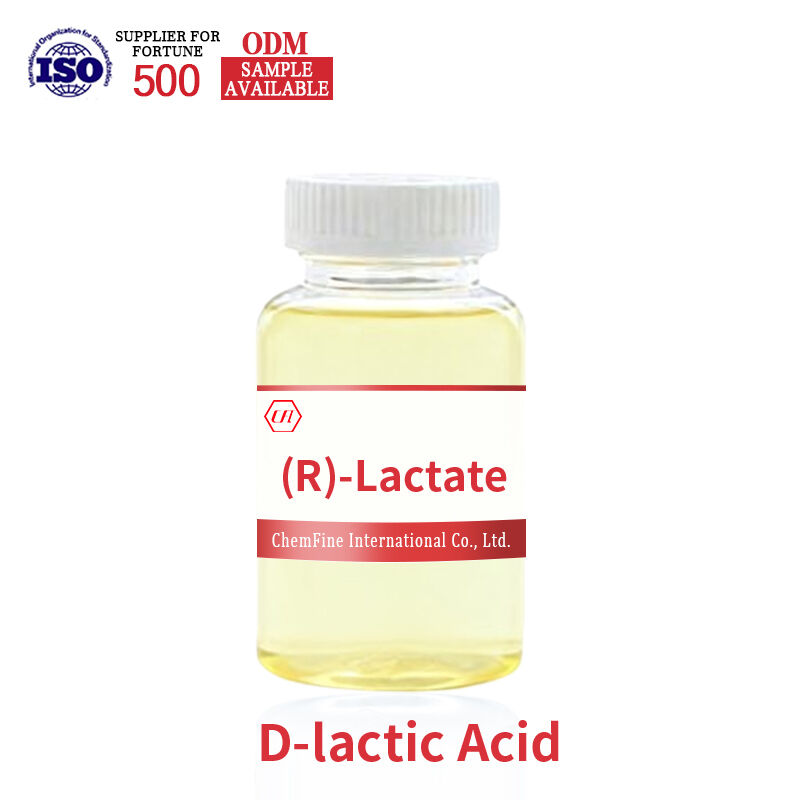
D-Lactic Acid / (R)-Lactate CAS 10326-41-7

D-Lactic Acid / (R)-Lactate CAS 10326-41-7

Brand Name: Chemfine International
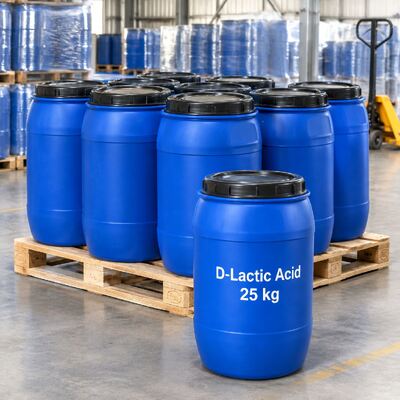
Packaging Details: 25kg/drum (HDPE plastic drum with inner seal)
Detail Information
Place of Origin:
China
Chemical Name:
D-(−)-Lactic Acid ((R)-2-Hydroxypropanoic Acid)
Common Name:
D-Lactic Acid; D-(-)-Lactic Acid; (R)-Lactic Acid; D-2-Hydroxypropanoic Acid
CAS Number:
10326-41-7
EINECS/EC Number:
233-713-2
Molecular Formula:
C3H6O3
Appearance:
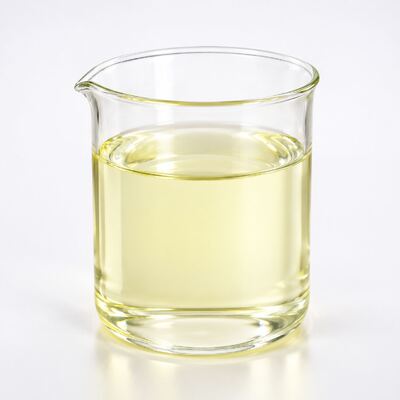
Colorless To Pale Yellow Viscous Liquid Or Low-melting Solid
Chemical Classification:
Chiral Alpha-hydroxy Carboxylic Acid
Chemical Type:
Optically Active (R)-enantiomer Of Lactic Acid
Core Functions:
Chiral Building Block; Enantioselective Synthesis Precursor; Depsipeptide Monomer; Optical Resolving Agent
Main Applications:
Chiral Pharmaceutical Synthesis; Depsipeptide Intermediates; Fine Chemical R&D; Chiral Reference Standards
Available Grades:
Synthesis Grade; Research / Lab Grade
Delivery Time:
7 – 20 Working Days After Order Confirmation
Sample:
Available
Supply Ability:
300 MT/year
Highlight:

D-Lactic Acid CAS 10326-41-7

,

(R)-Lactate pharmaceutical intermediate

,

D-Lactic Acid chemical intermediate

Product Description
Product Selling Points

Formulation Uses: This raw material is shown for chiral pharmaceutical intermediate synthesis, depsipeptide monomer production, enantioselective chemical synthesis, chiral reference standard preparation, and fine chemical R&D applications.

High Optical Purity D-Enantiomer: (R)-lactic acid with consistent negative specific rotation, providing reliable enantiomeric excess for chiral synthesis and asymmetric transformations.

Versatile Chiral C3 Building Block: The alpha-hydroxy acid structure enables conversion to lactide, depsipeptides, chiral esters and other enantiopure intermediates.

90% Standard Concentration: Supplied as a standard 90% aqueous solution, the most common commercial form for direct use in synthesis and R&D.

Depsipeptide & Drug Intermediate Precursor: Established starting material for biodegradable polymer (PDLA) and chiral pharmaceutical intermediate production.

300 MT Annual Capacity: Reliable supply for fine chemical and pharmaceutical intermediate manufacturers, supported by 25kg HDPE drum packaging.

Product Introduction

D-(−)-Lactic acid (CAS 10326-41-7), chemically known as (R)-2-hydroxypropanoic acid, is the dextrorotatory (R)-enantiomer of lactic acid. With the molecular formula C3H6O3 and molecular weight of 90.08 g/mol, it is a colorless to pale yellow viscous liquid (or low-melting solid at temperatures below ~53°C) that is miscible with water, ethanol and glycerol. Unlike L-lactic acid, which is widely produced by fermentation and used in food, cosmetics and biodegradable plastics, D-lactic acid is a specialized chiral building block used in enantioselective synthesis and high-value pharmaceutical intermediate production. Chemfine supplies synthesis and research grade D-(−)-lactic acid for fine chemical and pharmaceutical applications.

Its primary application is as a chiral C3 building block in organic synthesis. The combination of a carboxylic acid group and a chiral alpha-hydroxyl group makes D-lactic acid a versatile starting material for the synthesis of enantiopure intermediates. It is used to produce D-lactide, the monomer for poly(D-lactic acid) (PDLA), which is used as a stereocomplex enhancer in PLA biodegradable plastics. In pharmaceutical synthesis, D-lactic acid serves as a precursor for depsipeptide antibiotics, chiral esters and other optically active intermediates. It is also used as a reference standard in chiral chromatography and analytical method development.

Chemfine supplies D-(−)-lactic acid in 25kg HDPE drums with inner seal, with an annual production capacity of 300 MT. The product is supported by quality documentation including assay, specific rotation, water content, residue on ignition and heavy metal testing. Technical grades and packaging can be matched to existing chiral synthesis and pharmaceutical intermediate production requirements.

Certificate of Analysis (COA)
Item Standard Specification
Appearance Colorless to pale yellow viscous liquid
Assay ≥ 90.0 %
Specific Rotation [α]20/D −13.5° to −15.5° (c=2.5, H2O)
Water Content ≤ 10.0 %
Residue on Ignition ≤ 0.1 %
Heavy metals (as Pb) ≤ 10 ppm
Chloride ≤ 50 ppm
Core Application Scenarios

D-Lactic Acid / (R)-Lactate CAS 10326-41-7

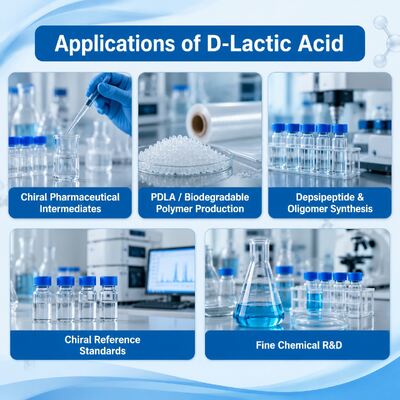
Chiral Pharmaceutical Intermediates: Starting material for enantiopure drug intermediates, depsipeptide antibiotics and chiral ester derivatives.

PDLA / Biodegradable Polymer Production: Precursor for D-lactide and poly(D-lactic acid), used as stereocomplex modifier in PLA bioplastics.

Depsipeptide & Oligomer Synthesis: Monomer for sequence-defined depsipeptides and chiral oligomers used in drug delivery and biomaterials research.

Chiral Reference Standards: Certified reference material for chiral HPLC method development and analytical validation.

Fine Chemical R&D: Versatile C3 chiral synthon for academic and industrial enantioselective synthesis programs.

Key Features
  • ≥90.0% assay, synthesis / research grade
  • Colorless to pale yellow viscous liquid
  • Melting point ~53°C, density ~1.21 g/cm³
  • Specific rotation −13.5° to −15.5° (c=2.5, H2O)
  • Chiral C3 building block for depsipeptides and PDLA
  • 24-month shelf life under dry storage
  • Standard 25kg/drum international trade packaging
Industries Served
  • Pharmaceutical Intermediate Manufacturing
  • Chiral Chemistry & Asymmetric Synthesis
  • Biodegradable Polymer (PDLA/PLA) R&D
  • Fine Chemical Production
  • Contract Research & Manufacturing (CRDMO)
  • Academic & Industrial Analytical Laboratories
Technical FAQ
  1. What is the difference between D-lactic acid and L-lactic acid?
    They are mirror-image enantiomers. L-lactic acid (S-form) is the natural fermentation product used in food and PLA. D-lactic acid (R-form) is the less common enantiomer, used primarily as a chiral building block and analytical reference.
  2. What concentration is commercially available?
    Standard commercial D-lactic acid is supplied as a 90% aqueous solution, which is the most common form for direct use in synthesis and R&D.
  3. What is D-lactic acid used for?
    It is primarily used as a chiral C3 building block for pharmaceutical intermediates, depsipeptide synthesis, D-lactide / PDLA production and chiral reference standards.
  4. What is the standard packaging?
    Standard international trade packaging is 25kg HDPE plastic drum with inner seal. Smaller 1kg / 5kg packs are available for R&D customers.
  5. What is the shelf life?
    Under recommended cool, dry and sealed storage conditions, the shelf life is 24 months from the date of manufacture. ---
Good price  online

Products Details

Home > Products >
Pharmaceutical Intermediates
>
D-Lactic Acid / (R)-Lactate CAS 10326-41-7

D-Lactic Acid / (R)-Lactate CAS 10326-41-7

Brand Name: Chemfine International
Packaging Details: 25kg/drum (HDPE plastic drum with inner seal)
Detail Information
Place of Origin:
China
Brand Name:
Chemfine International
Chemical Name:
D-(−)-Lactic Acid ((R)-2-Hydroxypropanoic Acid)
Common Name:
D-Lactic Acid; D-(-)-Lactic Acid; (R)-Lactic Acid; D-2-Hydroxypropanoic Acid
CAS Number:
10326-41-7
EINECS/EC Number:
233-713-2
Molecular Formula:
C3H6O3
Appearance:
Colorless To Pale Yellow Viscous Liquid Or Low-melting Solid
Chemical Classification:
Chiral Alpha-hydroxy Carboxylic Acid
Chemical Type:
Optically Active (R)-enantiomer Of Lactic Acid
Core Functions:
Chiral Building Block; Enantioselective Synthesis Precursor; Depsipeptide Monomer; Optical Resolving Agent
Main Applications:
Chiral Pharmaceutical Synthesis; Depsipeptide Intermediates; Fine Chemical R&D; Chiral Reference Standards
Available Grades:
Synthesis Grade; Research / Lab Grade
Delivery Time:
7 – 20 Working Days After Order Confirmation
Sample:
Available
Packaging Details:
25kg/drum (HDPE plastic drum with inner seal)
Delivery Time:
7 – 20 working days after order confirmation
Supply Ability:
300 MT/year
Highlight:

D-Lactic Acid CAS 10326-41-7

,

(R)-Lactate pharmaceutical intermediate

,

D-Lactic Acid chemical intermediate

Product Description
Product Selling Points

Formulation Uses: This raw material is shown for chiral pharmaceutical intermediate synthesis, depsipeptide monomer production, enantioselective chemical synthesis, chiral reference standard preparation, and fine chemical R&D applications.

High Optical Purity D-Enantiomer: (R)-lactic acid with consistent negative specific rotation, providing reliable enantiomeric excess for chiral synthesis and asymmetric transformations.

Versatile Chiral C3 Building Block: The alpha-hydroxy acid structure enables conversion to lactide, depsipeptides, chiral esters and other enantiopure intermediates.

90% Standard Concentration: Supplied as a standard 90% aqueous solution, the most common commercial form for direct use in synthesis and R&D.

Depsipeptide & Drug Intermediate Precursor: Established starting material for biodegradable polymer (PDLA) and chiral pharmaceutical intermediate production.

300 MT Annual Capacity: Reliable supply for fine chemical and pharmaceutical intermediate manufacturers, supported by 25kg HDPE drum packaging.

Product Introduction

D-(−)-Lactic acid (CAS 10326-41-7), chemically known as (R)-2-hydroxypropanoic acid, is the dextrorotatory (R)-enantiomer of lactic acid. With the molecular formula C3H6O3 and molecular weight of 90.08 g/mol, it is a colorless to pale yellow viscous liquid (or low-melting solid at temperatures below ~53°C) that is miscible with water, ethanol and glycerol. Unlike L-lactic acid, which is widely produced by fermentation and used in food, cosmetics and biodegradable plastics, D-lactic acid is a specialized chiral building block used in enantioselective synthesis and high-value pharmaceutical intermediate production. Chemfine supplies synthesis and research grade D-(−)-lactic acid for fine chemical and pharmaceutical applications.

Its primary application is as a chiral C3 building block in organic synthesis. The combination of a carboxylic acid group and a chiral alpha-hydroxyl group makes D-lactic acid a versatile starting material for the synthesis of enantiopure intermediates. It is used to produce D-lactide, the monomer for poly(D-lactic acid) (PDLA), which is used as a stereocomplex enhancer in PLA biodegradable plastics. In pharmaceutical synthesis, D-lactic acid serves as a precursor for depsipeptide antibiotics, chiral esters and other optically active intermediates. It is also used as a reference standard in chiral chromatography and analytical method development.

Chemfine supplies D-(−)-lactic acid in 25kg HDPE drums with inner seal, with an annual production capacity of 300 MT. The product is supported by quality documentation including assay, specific rotation, water content, residue on ignition and heavy metal testing. Technical grades and packaging can be matched to existing chiral synthesis and pharmaceutical intermediate production requirements.

Certificate of Analysis (COA)
Item Standard Specification
Appearance Colorless to pale yellow viscous liquid
Assay ≥ 90.0 %
Specific Rotation [α]20/D −13.5° to −15.5° (c=2.5, H2O)
Water Content ≤ 10.0 %
Residue on Ignition ≤ 0.1 %
Heavy metals (as Pb) ≤ 10 ppm
Chloride ≤ 50 ppm
Core Application Scenarios

D-Lactic Acid / (R)-Lactate CAS 10326-41-7

Chiral Pharmaceutical Intermediates: Starting material for enantiopure drug intermediates, depsipeptide antibiotics and chiral ester derivatives.

PDLA / Biodegradable Polymer Production: Precursor for D-lactide and poly(D-lactic acid), used as stereocomplex modifier in PLA bioplastics.

Depsipeptide & Oligomer Synthesis: Monomer for sequence-defined depsipeptides and chiral oligomers used in drug delivery and biomaterials research.

Chiral Reference Standards: Certified reference material for chiral HPLC method development and analytical validation.

Fine Chemical R&D: Versatile C3 chiral synthon for academic and industrial enantioselective synthesis programs.

Key Features
  • ≥90.0% assay, synthesis / research grade
  • Colorless to pale yellow viscous liquid
  • Melting point ~53°C, density ~1.21 g/cm³
  • Specific rotation −13.5° to −15.5° (c=2.5, H2O)
  • Chiral C3 building block for depsipeptides and PDLA
  • 24-month shelf life under dry storage
  • Standard 25kg/drum international trade packaging
Industries Served
  • Pharmaceutical Intermediate Manufacturing
  • Chiral Chemistry & Asymmetric Synthesis
  • Biodegradable Polymer (PDLA/PLA) R&D
  • Fine Chemical Production
  • Contract Research & Manufacturing (CRDMO)
  • Academic & Industrial Analytical Laboratories
Technical FAQ
  1. What is the difference between D-lactic acid and L-lactic acid?
    They are mirror-image enantiomers. L-lactic acid (S-form) is the natural fermentation product used in food and PLA. D-lactic acid (R-form) is the less common enantiomer, used primarily as a chiral building block and analytical reference.
  2. What concentration is commercially available?
    Standard commercial D-lactic acid is supplied as a 90% aqueous solution, which is the most common form for direct use in synthesis and R&D.
  3. What is D-lactic acid used for?
    It is primarily used as a chiral C3 building block for pharmaceutical intermediates, depsipeptide synthesis, D-lactide / PDLA production and chiral reference standards.
  4. What is the standard packaging?
    Standard international trade packaging is 25kg HDPE plastic drum with inner seal. Smaller 1kg / 5kg packs are available for R&D customers.
  5. What is the shelf life?
    Under recommended cool, dry and sealed storage conditions, the shelf life is 24 months from the date of manufacture. ---