| Brand Name: | Chemfine |
| Packaging Details: | 1 kg aluminum foil bag, 5 kg / 10 kg fiber drum with PE inner liner, 25 kg drum for bulk |
| Item | Standard Specification |
|---|---|
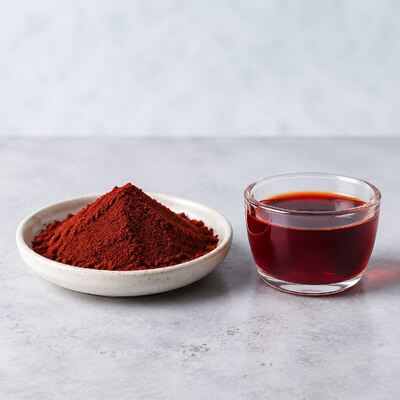
| Appearance | Dark red to reddish-brown powder |
| Astaxanthin Content (HPLC) | ≥ 5.0 % |
| Loss on Drying | ≤ 5.0 % |
| Ash | ≤ 5.0 % |
| Bulk Density | 0.40 - 0.60 g/mL |
| Heavy metals (as Pb) | ≤ 10 mg/kg |
| Arsenic (As) | ≤ 2 mg/kg |
| Lead (Pb) | ≤ 2 mg/kg |
| Total Plate Count | ≤ 1000 CFU/g |
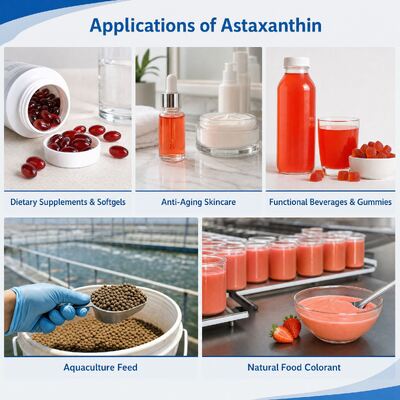
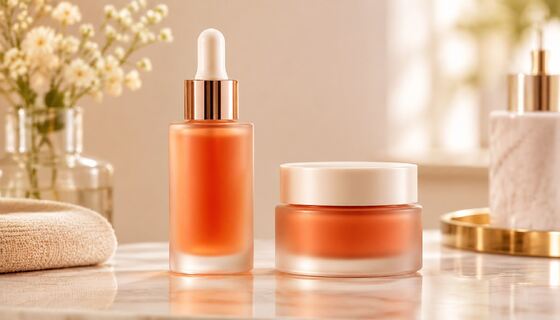
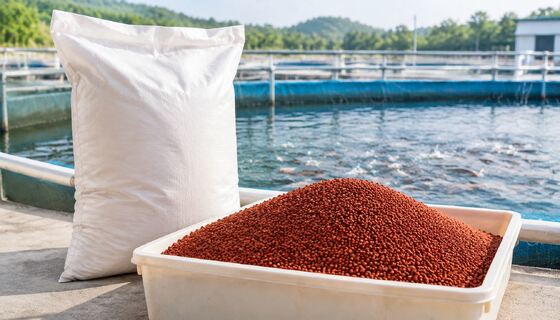
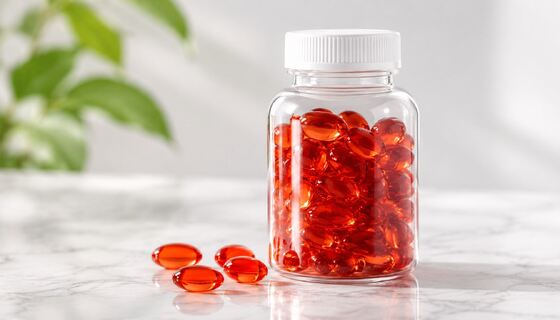
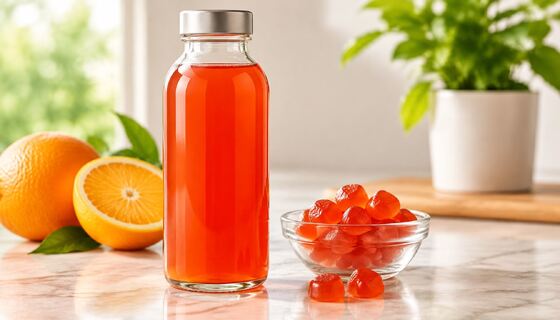
Formulation Uses: This raw material is shown for dietary supplement softgels, anti-aging skincare serum, functional beverages, gummies, aquaculture feed pigmentation, and natural food colorant applications.
Potent Natural Antioxidant: Astaxanthin is recognized as one of the most powerful natural antioxidants, with free radical scavenging activity many times greater than vitamin E and beta-carotene.
Natural Haematococcus pluvialis Source: Extracted from the microalgae Haematococcus pluvialis, the richest natural source of astaxanthin, delivering the 3S,3'S stereoisomer preferred by the human body.
Multi-Potency Grade Range: Available in 1%, 2%, 5% beadlet powder and 5%, 10% oleoresin forms to suit softgel, capsule, beverage, gummy and cosmetic formulation needs.
Water-Dispersible Beadlet Technology: Microencapsulated beadlet form enables dispersion in clear beverages and water-based formulations without sedimentation or color separation.
Complete Quality Documentation: Every batch is tested for astaxanthin content (HPLC), heavy metals, microbial limits and identity, with full COA and spec sheet support.
Astaxanthin (CAS 472-61-7), chemically known as 3,3'-dihydroxy-beta,beta-carotene-4,4'-dione, is a red-orange xanthophyll carotenoid with the molecular formula C40H52O4 and molecular weight of 596.84 g/mol. It is the pigment responsible for the pink-red color of salmon, trout, krill, lobster and flamingos. Natural astaxanthin is commercially sourced primarily from the microalgae Haematococcus pluvialis, which accumulates astaxanthin under stress conditions as a protective antioxidant. Chemfine supplies natural astaxanthin in beadlet powder and oleoresin forms across multiple potency grades for nutraceutical, cosmetic and food applications.
Its primary application is in dietary supplements and nutraceuticals, where astaxanthin is consumed for its exceptional antioxidant, anti-inflammatory and photo-protective properties. It is widely used in softgels, capsules, gummies and beverages targeting eye health, skin aging, exercise recovery and cardiovascular support. In the cosmetic industry, astaxanthin is incorporated into anti-aging serums, creams and lotions for its ability to neutralize free radicals caused by UV exposure and environmental stress. In aquaculture, it is added to salmon and shrimp feed to provide the characteristic pink flesh pigmentation. As a food colorant (E161j), it is used in beverage and functional food fortification.
Chemfine supplies natural astaxanthin in microencapsulated beadlet powder (1%, 2%, 5%) and oleoresin (5%, 10%) forms, packaged in sealed foil bags and fiber drums. The product is supported by complete analytical documentation including HPLC assay, heavy metal testing and microbial specifications. Technical grades and packaging can be matched to existing supplement, cosmetic and beverage formulation requirements.
Dietary Supplements and Softgels: Primary ingredient in antioxidant and anti-aging supplements for eye, skin, joint and cardiovascular health support.
Anti-Aging Skincare: Active ingredient in serums, creams and lotions for UV-induced free radical protection, skin elasticity and fine line reduction.
Functional Beverages and Gummies: Water-dispersible beadlet grade for ready-to-drink antioxidant beverages and chewable supplement gummies.
Aquaculture Feed: Pigmentation source in salmon, trout and shrimp feed to produce the natural pink flesh color.
Natural Food Colorant: E161j approved natural red-orange pigment for functional foods, dairy products and dietary fortification.
1. What is the difference between natural and synthetic astaxanthin?
Natural astaxanthin from Haematococcus pluvialis is primarily the 3S,3'S stereoisomer. Synthetic astaxanthin is a mixture of three stereoisomers and is used mainly in aquaculture feed. Natural astaxanthin is preferred for human nutraceutical and cosmetic applications.
2. What potency grades are available?
We offer 1%, 2% and 5% microencapsulated beadlet powder, and 5% and 10% oleoresin. The beadlet form is water-dispersible for beverages, while oleoresin is used in oil-based softgel and cosmetic formulations.
3. What is the recommended dosage?
Typical human supplementation ranges from 4 mg to 12 mg per day, depending on the application. Always consult product labeling and regulatory requirements for the target market.
4. What is the standard packaging?
Research and small commercial orders are packed in 1 kg aluminum foil bags. Bulk production uses 5 kg, 10 kg or 25 kg fiber drums with PE inner liner, protected from light and oxygen.
5. How should astaxanthin be stored?
Astaxanthin is light, oxygen and heat sensitive. It should be stored tightly sealed in a cool, dry, dark place; refrigeration is recommended for long-term retention of potency.
Contact our technical sales team for COA samples, grade selection and bulk pricing.