logo
Good price  online

products details

Home > Products >
Miscellaneous Chemical
>
12-HSA Flake Cas 106-14-9 12-Hydroxystearic Acid

12-HSA Flake Cas 106-14-9 12-Hydroxystearic Acid

Brand Name: Chemfine
Detail Information
Place of Origin:
China
Certification:
ISO
Chemical Name:
12-Hydroxystearic Acid
Common Name:
12-HSA, 12-Hydroxyoctadecanoic Acid
CAS Number:
106-14-9
EC Number:
203-366-1
Molecular Formula:
C18H36O3
Appearance:
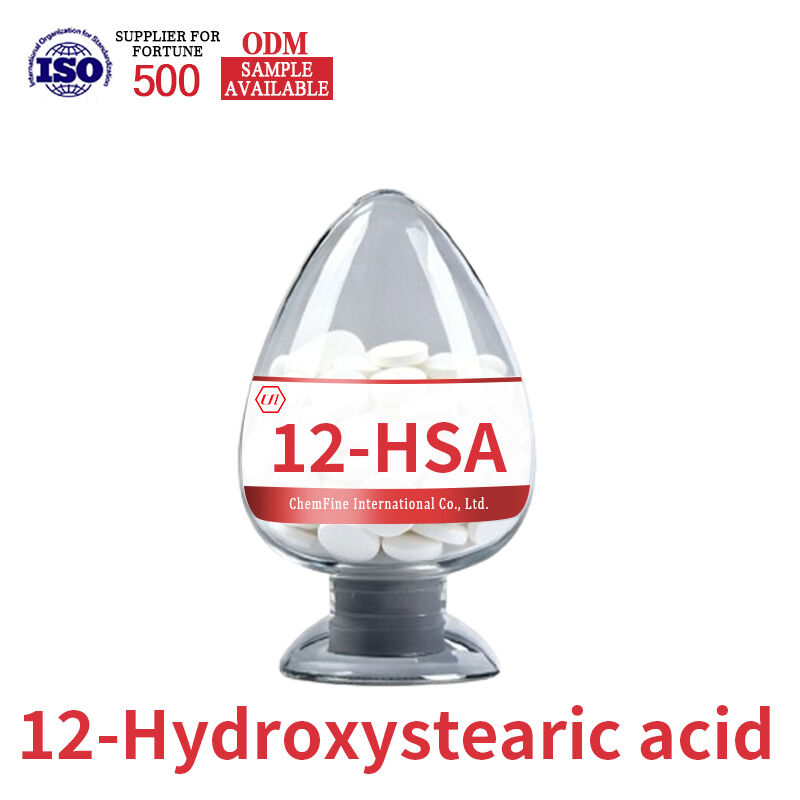
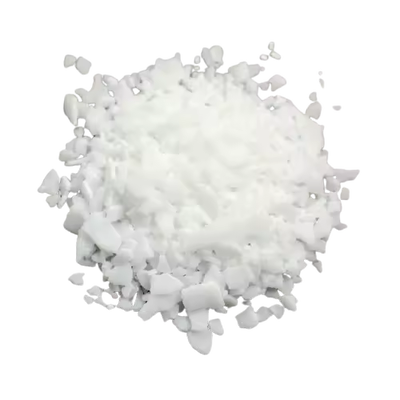
White Flake Solid
Core Functions:
Thickening, Gelling, Lubricating, Emulsifying, Stabilizing
Shelf Life:
24 Months Under Sealed Cool Dry Storage
Main Applications:
Lubricating Grease Thickener, Coating Additive, Cosmetic Emulsifier, PVC Lubricant, Wax Additive
Available Grades:
Industrial Grade, High Purity Lubricant Grade
Supply Ability:
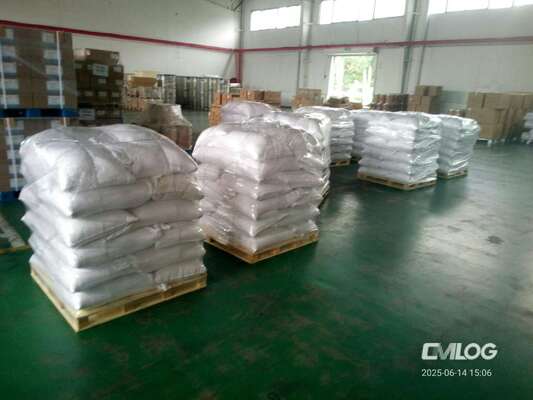
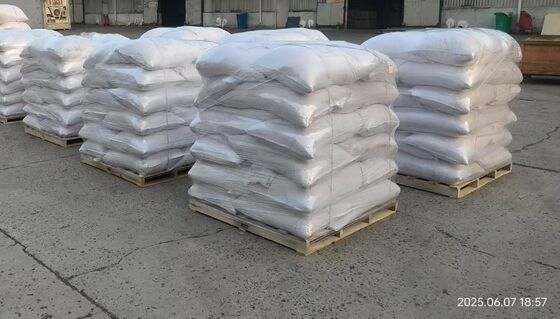
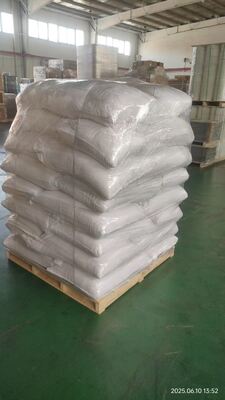
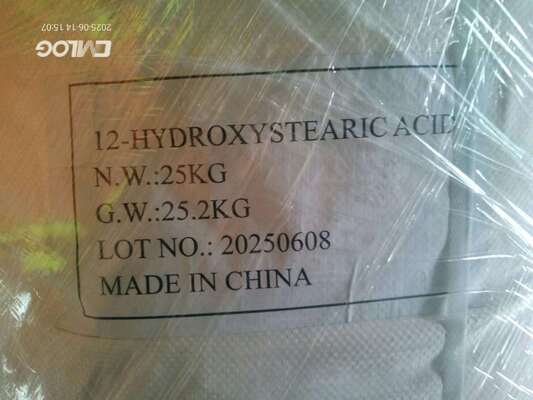
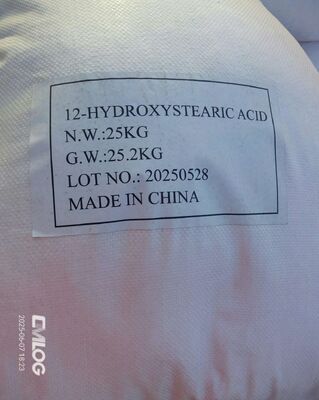
25kg kraft paper bag / fiber drum; customized packaging available upon request
Highlight:

12-HSA Flake chemical

,

12-Hydroxystearic Acid powder

,

12-HSA Flake with warranty

Product Description
Product Selling Points
  • ≥99% high purity stable quality: Purity exceeds 99% with strictly controlled acid value, hydroxy value, iodine value and moisture, narrow batch fluctuation, ensures stable and consistent performance in downstream formulation production.
  • Core raw material for lithium-based grease: Classic benchmark raw material for lithium lubricating grease, reacts with lithium hydroxide to form lithium soap thickener, significantly improves grease dropping point, mechanical stability and water resistance, widely recognized in global lubricant industry.
  • High hydroxy value excellent thickening performance: Hydroxy value ≥155 mgKOH/g, outstanding gelling and thickening ability, can form stable three-dimensional grease network structure, effectively improves grease consistency and service life, reduces formulation dosage.
  • Low iodine value high oxidation resistance: Iodine value ≤2.5 gI/100g, high degree of saturation after hydrogenation, excellent oxidation resistance and thermal stability, effectively extends the service life of grease and finished products under high temperature environment.
  • Flake form convenient for processing: Uniform white flake physical form, easy for weighing, feeding and dissolution, good dispersibility in base oil and organic solvent systems, effectively improves production efficiency and reduces operation cost.
  • Low toxicity high safety: Acute oral LD50 in rat >10000 mg/kg body weight, very low acute toxicity; no skin and eye irritation risk under normal use, high operational safety.
  • Good biodegradability eco-friendly: Reaches 93% of theoretical BOD in 4 weeks in MITI aerobic biodegradation test, good environmental compatibility, meets modern green chemical requirements.
  • Wide solubility & formulation compatibility: Soluble in alcohol, ether, chloroform and most organic solvents and oils, compatible with various resins, waxes and surfactants, flexible to adapt to different formulation systems.
  • Non-hazardous convenient logistics: Not classified as dangerous goods according to UN GHS and international transport rules, no special transport restriction, convenient for international sea, land and air transportation, reduces logistics cost.
  • Global regulatory compliance: Listed in EINECS, US TSCA, China IECSC, KECL and other major global chemical inventories, fully meets regulatory requirements of main export markets in Europe, America and Asia.

Certificate of Analysis (COA)
Product Name: 12-HYDROXYSTEARIC ACID (12-HSA)
CAS No.: 106-14-9
Item Standard Typical Result
Color (Gardner) ≤ 5 5
Iodine Value (gI/100g) ≤ 2.5 2.3
Hydroxy Value (mgKOH/g) ≥ 155 156.7
Melting Point (℃) ≥ 75 76.2
Water & Volatile (%) ≤ 1.0 0.71
Acid Value (mgKOH/g) 178 - 187 181.1
Saponification Value (mgKOH/g) 180 - 190 187.2
CONCLUSION PASS Conforms fully to standard

Product Introduction

12-Hydroxystearic Acid (commonly abbreviated as 12-HSA, CAS 106-14-9, molecular formula C18H36O3) is a high-value hydroxylated saturated fatty acid, usually produced by hydrogenation of castor oil-derived ricinoleic acid, appearing as white flake solid.

With a hydroxyl group on the 12th carbon of the carbon chain, it has unique gelling and thickening properties that ordinary stearic acid does not possess. Its most important application is as the core raw material of lithium-based lubricating grease, which reacts with lithium hydroxide to form lithium soap thickener, endowing grease with excellent mechanical stability, water resistance and high temperature performance. It is also widely used as additive in coatings, inks, cosmetics, PVC processing and wax products, playing the roles of thickening, lubrication, emulsification and structure improvement. With high purity, stable quality and good safety, it is an important high-end fine chemical raw material widely used in industry.


Synonyms
  • 12-Hydroxyoctadecanoic Acid
  • 12-HSA Flake
  • Octadecanoic acid, 12-hydroxy-
  • CAS 106-14-9
  • 12-Hydroxy-octadecanoic Acid
  • Hydroxystearic Acid
  • Hydrogenated Castor Oil Fatty Acid
  • Lithium Grease Thickener Fatty Acid

Core Application Scenarios (Ranked by Importance)
  1. Lithium-based Lubricating Grease (Core Application): The largest and most classic application field. 12-HSA is the benchmark raw material for producing universal lithium grease and complex lithium grease. It saponifies with lithium hydroxide in base oil to form lithium soap, which thickens base oil into grease. The produced grease has excellent mechanical stability, colloidal stability, water resistance and high temperature performance, and is widely used in automotive, industrial machinery, bearing lubrication and other fields.
  2. Coatings & Inks Additive: Used as rheology modifier and anti-settling agent in solvent-based coatings, inks and paints. It can improve the thixotropy of coating system, prevent pigment and filler from settling, improve coating leveling and film uniformity, and enhance the scratch resistance and gloss of coating film.
  3. Cosmetics & Personal Care Products: Used as emulsifier, thickener and consistency regulator in creams, lotions, lipsticks and deodorants. It can improve the texture and stability of emulsion products, endow products with good skin feel, and has good compatibility with other cosmetic raw materials.
  4. PVC Processing Lubricant & Stabilizer: Used as internal lubricant in PVC processing to improve resin melt fluidity and demolding performance, reduce processing energy consumption, and improve the surface smoothness of PVC products. It can also synergize with heat stabilizers to improve thermal stability of PVC.
  5. Wax & Polishing Products: Used in various industrial waxes, polishing pastes and candle products to improve wax hardness, melting point and gloss, enhance oil retention and polishing performance, and improve the wear resistance and water resistance of wax layer.
  6. Textile & Other Fine Chemicals: Used as softener and finishing agent in textile industry to improve fabric hand feel and smoothness; also used in the production of metal working fluid, release agent and surfactant, playing multiple roles of lubrication, emulsification and rust prevention.

Technical FAQ
Q1: What is the core difference between 12-hydroxystearic acid and ordinary stearic acid?

A1: Structurally, 12-HSA has an additional hydroxyl group on the 12th carbon of the carbon chain, which brings unique gelling and thickening properties that ordinary stearic acid does not have. In lubricating grease production, 12-HSA can form a stronger three-dimensional network structure, giving grease much better mechanical stability, colloidal stability and higher dropping point, which cannot be achieved by ordinary stearic acid. Ordinary stearic acid is mainly used as surfactant and release agent, while 12-HSA is more used in high-demand thickening scenarios.

Q2: Is 12-hydroxystearic acid a hazardous chemical?

A2: No. According to UN GHS classification criteria, 12-hydroxystearic acid is not classified as a hazardous substance. It has very low acute toxicity (oral LD50 >10000 mg/kg in rats), no corrosiveness and no flammability risk under normal temperature. It is classified as non-dangerous goods in international road, sea and air transportation, and can be transported as ordinary industrial chemicals.

Q3: What storage and handling precautions should be followed?

A3: Store in tightly sealed original packaging in a cool, dry and well-ventilated warehouse, keep away from high temperature heat sources and strong oxidants. Avoid direct sunlight and humid environment to prevent product oxidation and moisture absorption. Handle gently during loading and unloading to avoid packaging damage. Operators can wear general dust masks and gloves, and avoid long-term inhalation of dust.

Q4: What does hydroxy value mean for 12-HSA application?

A4: Hydroxy value is one of the core quality indicators of 12-HSA, which reflects the content of hydroxyl groups in the product and directly determines the gelling and thickening ability. The higher the hydroxy value, the stronger the thickening performance, and the less dosage is needed to achieve the same grease consistency. High-quality 12-HSA has a hydroxy value ≥155 mgKOH/g, which can ensure stable thickening effect and reduce formulation cost.

Q5: Is 12-hydroxystearic acid biodegradable?

A5: Yes. According to standard MITI aerobic biodegradation test, 12-hydroxystearic acid can reach 93% of theoretical BOD within 4 weeks under activated sludge inoculation, showing good biodegradability. It will not accumulate persistently in the environment, and has good environmental compatibility, which meets the requirements of green and sustainable chemical industry.

Q6: What is the typical dosage in lithium grease production?

A6: In general universal lithium-based grease, the typical dosage of 12-HSA is about 8-12% of the total formula, which is saponified with about 1.2-1.8% lithium hydroxide monohydrate in base oil. The specific dosage should be adjusted according to the target consistency (NLGI grade), base oil type and performance requirements of the grease. For complex lithium grease, the formula will be adjusted with other fatty acids.

Good price  online

Products Details

Home > Products >
Miscellaneous Chemical
>
12-HSA Flake Cas 106-14-9 12-Hydroxystearic Acid

12-HSA Flake Cas 106-14-9 12-Hydroxystearic Acid

Brand Name: Chemfine
Detail Information
Place of Origin:
China
Brand Name:
Chemfine
Certification:
ISO
Chemical Name:
12-Hydroxystearic Acid
Common Name:
12-HSA, 12-Hydroxyoctadecanoic Acid
CAS Number:
106-14-9
EC Number:
203-366-1
Molecular Formula:
C18H36O3
Appearance:
White Flake Solid
Core Functions:
Thickening, Gelling, Lubricating, Emulsifying, Stabilizing
Shelf Life:
24 Months Under Sealed Cool Dry Storage
Main Applications:
Lubricating Grease Thickener, Coating Additive, Cosmetic Emulsifier, PVC Lubricant, Wax Additive
Available Grades:
Industrial Grade, High Purity Lubricant Grade
Supply Ability:
25kg kraft paper bag / fiber drum; customized packaging available upon request
Highlight:

12-HSA Flake chemical

,

12-Hydroxystearic Acid powder

,

12-HSA Flake with warranty

Product Description
Product Selling Points
  • ≥99% high purity stable quality: Purity exceeds 99% with strictly controlled acid value, hydroxy value, iodine value and moisture, narrow batch fluctuation, ensures stable and consistent performance in downstream formulation production.
  • Core raw material for lithium-based grease: Classic benchmark raw material for lithium lubricating grease, reacts with lithium hydroxide to form lithium soap thickener, significantly improves grease dropping point, mechanical stability and water resistance, widely recognized in global lubricant industry.
  • High hydroxy value excellent thickening performance: Hydroxy value ≥155 mgKOH/g, outstanding gelling and thickening ability, can form stable three-dimensional grease network structure, effectively improves grease consistency and service life, reduces formulation dosage.
  • Low iodine value high oxidation resistance: Iodine value ≤2.5 gI/100g, high degree of saturation after hydrogenation, excellent oxidation resistance and thermal stability, effectively extends the service life of grease and finished products under high temperature environment.
  • Flake form convenient for processing: Uniform white flake physical form, easy for weighing, feeding and dissolution, good dispersibility in base oil and organic solvent systems, effectively improves production efficiency and reduces operation cost.
  • Low toxicity high safety: Acute oral LD50 in rat >10000 mg/kg body weight, very low acute toxicity; no skin and eye irritation risk under normal use, high operational safety.
  • Good biodegradability eco-friendly: Reaches 93% of theoretical BOD in 4 weeks in MITI aerobic biodegradation test, good environmental compatibility, meets modern green chemical requirements.
  • Wide solubility & formulation compatibility: Soluble in alcohol, ether, chloroform and most organic solvents and oils, compatible with various resins, waxes and surfactants, flexible to adapt to different formulation systems.
  • Non-hazardous convenient logistics: Not classified as dangerous goods according to UN GHS and international transport rules, no special transport restriction, convenient for international sea, land and air transportation, reduces logistics cost.
  • Global regulatory compliance: Listed in EINECS, US TSCA, China IECSC, KECL and other major global chemical inventories, fully meets regulatory requirements of main export markets in Europe, America and Asia.

Certificate of Analysis (COA)
Product Name: 12-HYDROXYSTEARIC ACID (12-HSA)
CAS No.: 106-14-9
Item Standard Typical Result
Color (Gardner) ≤ 5 5
Iodine Value (gI/100g) ≤ 2.5 2.3
Hydroxy Value (mgKOH/g) ≥ 155 156.7
Melting Point (℃) ≥ 75 76.2
Water & Volatile (%) ≤ 1.0 0.71
Acid Value (mgKOH/g) 178 - 187 181.1
Saponification Value (mgKOH/g) 180 - 190 187.2
CONCLUSION PASS Conforms fully to standard

Product Introduction

12-Hydroxystearic Acid (commonly abbreviated as 12-HSA, CAS 106-14-9, molecular formula C18H36O3) is a high-value hydroxylated saturated fatty acid, usually produced by hydrogenation of castor oil-derived ricinoleic acid, appearing as white flake solid.

With a hydroxyl group on the 12th carbon of the carbon chain, it has unique gelling and thickening properties that ordinary stearic acid does not possess. Its most important application is as the core raw material of lithium-based lubricating grease, which reacts with lithium hydroxide to form lithium soap thickener, endowing grease with excellent mechanical stability, water resistance and high temperature performance. It is also widely used as additive in coatings, inks, cosmetics, PVC processing and wax products, playing the roles of thickening, lubrication, emulsification and structure improvement. With high purity, stable quality and good safety, it is an important high-end fine chemical raw material widely used in industry.


Synonyms
  • 12-Hydroxyoctadecanoic Acid
  • 12-HSA Flake
  • Octadecanoic acid, 12-hydroxy-
  • CAS 106-14-9
  • 12-Hydroxy-octadecanoic Acid
  • Hydroxystearic Acid
  • Hydrogenated Castor Oil Fatty Acid
  • Lithium Grease Thickener Fatty Acid

Core Application Scenarios (Ranked by Importance)
  1. Lithium-based Lubricating Grease (Core Application): The largest and most classic application field. 12-HSA is the benchmark raw material for producing universal lithium grease and complex lithium grease. It saponifies with lithium hydroxide in base oil to form lithium soap, which thickens base oil into grease. The produced grease has excellent mechanical stability, colloidal stability, water resistance and high temperature performance, and is widely used in automotive, industrial machinery, bearing lubrication and other fields.
  2. Coatings & Inks Additive: Used as rheology modifier and anti-settling agent in solvent-based coatings, inks and paints. It can improve the thixotropy of coating system, prevent pigment and filler from settling, improve coating leveling and film uniformity, and enhance the scratch resistance and gloss of coating film.
  3. Cosmetics & Personal Care Products: Used as emulsifier, thickener and consistency regulator in creams, lotions, lipsticks and deodorants. It can improve the texture and stability of emulsion products, endow products with good skin feel, and has good compatibility with other cosmetic raw materials.
  4. PVC Processing Lubricant & Stabilizer: Used as internal lubricant in PVC processing to improve resin melt fluidity and demolding performance, reduce processing energy consumption, and improve the surface smoothness of PVC products. It can also synergize with heat stabilizers to improve thermal stability of PVC.
  5. Wax & Polishing Products: Used in various industrial waxes, polishing pastes and candle products to improve wax hardness, melting point and gloss, enhance oil retention and polishing performance, and improve the wear resistance and water resistance of wax layer.
  6. Textile & Other Fine Chemicals: Used as softener and finishing agent in textile industry to improve fabric hand feel and smoothness; also used in the production of metal working fluid, release agent and surfactant, playing multiple roles of lubrication, emulsification and rust prevention.

Technical FAQ
Q1: What is the core difference between 12-hydroxystearic acid and ordinary stearic acid?

A1: Structurally, 12-HSA has an additional hydroxyl group on the 12th carbon of the carbon chain, which brings unique gelling and thickening properties that ordinary stearic acid does not have. In lubricating grease production, 12-HSA can form a stronger three-dimensional network structure, giving grease much better mechanical stability, colloidal stability and higher dropping point, which cannot be achieved by ordinary stearic acid. Ordinary stearic acid is mainly used as surfactant and release agent, while 12-HSA is more used in high-demand thickening scenarios.

Q2: Is 12-hydroxystearic acid a hazardous chemical?

A2: No. According to UN GHS classification criteria, 12-hydroxystearic acid is not classified as a hazardous substance. It has very low acute toxicity (oral LD50 >10000 mg/kg in rats), no corrosiveness and no flammability risk under normal temperature. It is classified as non-dangerous goods in international road, sea and air transportation, and can be transported as ordinary industrial chemicals.

Q3: What storage and handling precautions should be followed?

A3: Store in tightly sealed original packaging in a cool, dry and well-ventilated warehouse, keep away from high temperature heat sources and strong oxidants. Avoid direct sunlight and humid environment to prevent product oxidation and moisture absorption. Handle gently during loading and unloading to avoid packaging damage. Operators can wear general dust masks and gloves, and avoid long-term inhalation of dust.

Q4: What does hydroxy value mean for 12-HSA application?

A4: Hydroxy value is one of the core quality indicators of 12-HSA, which reflects the content of hydroxyl groups in the product and directly determines the gelling and thickening ability. The higher the hydroxy value, the stronger the thickening performance, and the less dosage is needed to achieve the same grease consistency. High-quality 12-HSA has a hydroxy value ≥155 mgKOH/g, which can ensure stable thickening effect and reduce formulation cost.

Q5: Is 12-hydroxystearic acid biodegradable?

A5: Yes. According to standard MITI aerobic biodegradation test, 12-hydroxystearic acid can reach 93% of theoretical BOD within 4 weeks under activated sludge inoculation, showing good biodegradability. It will not accumulate persistently in the environment, and has good environmental compatibility, which meets the requirements of green and sustainable chemical industry.

Q6: What is the typical dosage in lithium grease production?

A6: In general universal lithium-based grease, the typical dosage of 12-HSA is about 8-12% of the total formula, which is saponified with about 1.2-1.8% lithium hydroxide monohydrate in base oil. The specific dosage should be adjusted according to the target consistency (NLGI grade), base oil type and performance requirements of the grease. For complex lithium grease, the formula will be adjusted with other fatty acids.