| ITEM | SPECIFICATION | RESULT |
|---|---|---|
| Appearance | White crystal powder, smellless, little sweet | White crystal powder, smellless, little sweet |
| Specific rotation | +159°~+164° | +161° |
| Distinguish | Positive | Conform |
| PH | 5.0-8.0 | 6.7 |
| Cleanness and color of solution | cleanness | cleanness |
| Chloride | ≤0.018% | Conform |
| Reductive sugar | ≤1.0% | Conform |
| Loss on drying | ≤14% | 11.5% |
| Residue on ignition | ≤0.1% | 0.07% |
| Heavy metal | ≤10ppm | Conform |
| Assay | 96.0~102.0% | 100.8% |
| Germ causing disease | None | Conform |
| CONCLUSION | Conforms to Enterprise Standards | Qualified |
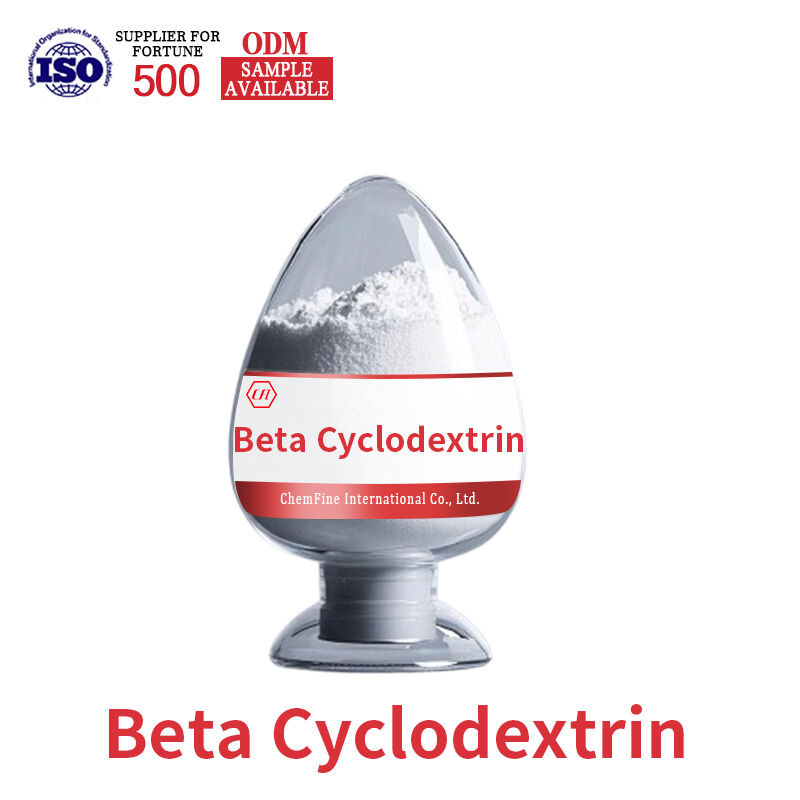
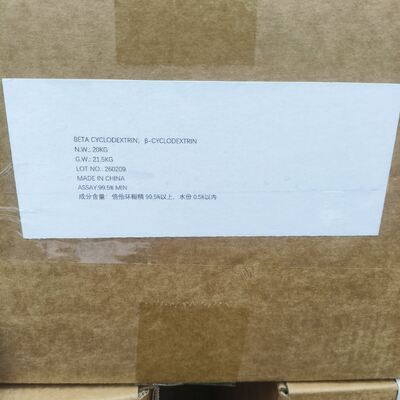
Beta Cyclodextrin, commonly known as β-CD or Betadex, is a cyclic oligosaccharide composed of seven glucose units linked by α-1,4 glycosidic bonds. Its CAS number is 7585-39-9, molecular formula is C42H70O35, with a molecular weight of 1134.98 g/mol. Our product appears as a white crystal powder, odorless with a slightly sweet taste, produced through enzymatic conversion of starch under strict quality control conditions.
The unique molecular structure of beta cyclodextrin features a hydrophobic internal cavity and a hydrophilic external surface, allowing it to form inclusion complexes with a wide range of guest molecules. This property makes it an invaluable ingredient in various industries, where it is used to improve solubility, stability and bioavailability of active ingredients, mask unpleasant odors and tastes, and control release of volatile compounds.
Our beta cyclodextrin is manufactured with advanced production technology, with full batch traceability and complete supporting quality documents. We offer both standard grade and customized specifications to meet specific customer requirements and ensure long-term stable bulk supply for global manufacturers.
Appearance: White crystal powder, odorless, slightly sweet taste
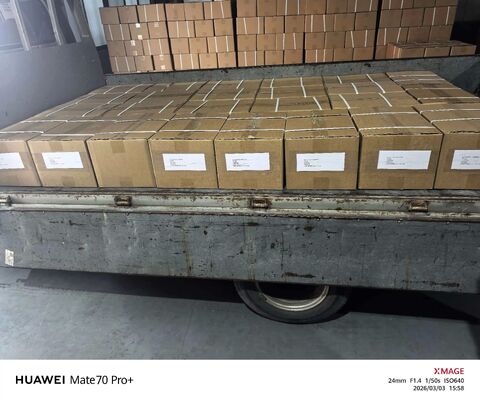
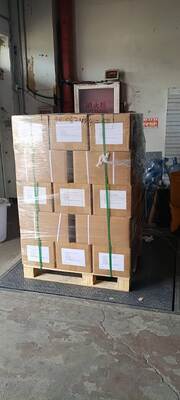
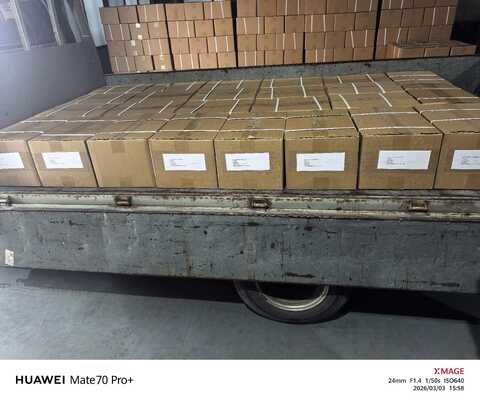
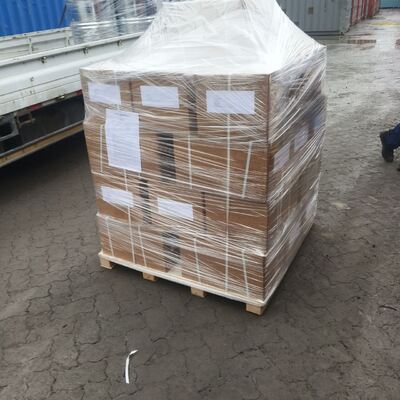
Packaging: 25kg kraft paper bag with inner PE liner; 500kg big bag; Customized packaging available upon request
MOQ: 1 Metric Ton (25kg sample bag supported for testing and evaluation)
Storage Conditions: Store in tightly sealed containers in a cool, dry and well-ventilated warehouse at 5-30℃; Keep away from moisture, heat sources and incompatible materials; Avoid direct sunlight; 24-month shelf life under proper storage conditions
Transport Classification: Common chemical
A1: Beta cyclodextrin typically forms 1:1 inclusion complexes with most guest molecules. The inclusion capacity depends on the size, shape and polarity of the guest molecule. Molecules with molecular weight between 100 and 300 g/mol and appropriate hydrophobicity are most suitable for complexation with beta cyclodextrin.
A2: Yes, beta cyclodextrin is generally recognized as safe (GRAS) by the FDA and is approved for use as a food additive in most countries worldwide. It is also listed in major pharmacopoeias as a pharmaceutical excipient. It is non-toxic, non-irritating and biodegradable.
A3: Common methods for preparing inclusion complexes include:
A4: The main difference is the number of glucose units: alpha (6 units), beta (7 units) and gamma (8 units). This results in different cavity sizes: alpha (0.57 nm), beta (0.78 nm) and gamma (0.95 nm). Beta cyclodextrin is the most widely used due to its appropriate cavity size for many common guest molecules, good availability and cost-effectiveness.
A5: Beta cyclodextrin is highly soluble in water but has low solubility in most organic solvents. However, modified beta cyclodextrins (such as hydroxypropyl-beta-cyclodextrin) have improved solubility in organic solvents and are suitable for non-aqueous applications.
A6: Beta cyclodextrin has a shelf life of 24 months when stored in tightly sealed original containers under proper storage conditions. It is hygroscopic and will absorb moisture from the air, which can cause caking. Keep containers tightly closed when not in use and store in a dry place.
| ITEM | SPECIFICATION | RESULT |
|---|---|---|
| Appearance | White crystal powder, smellless, little sweet | White crystal powder, smellless, little sweet |
| Specific rotation | +159°~+164° | +161° |
| Distinguish | Positive | Conform |
| PH | 5.0-8.0 | 6.7 |
| Cleanness and color of solution | cleanness | cleanness |
| Chloride | ≤0.018% | Conform |
| Reductive sugar | ≤1.0% | Conform |
| Loss on drying | ≤14% | 11.5% |
| Residue on ignition | ≤0.1% | 0.07% |
| Heavy metal | ≤10ppm | Conform |
| Assay | 96.0~102.0% | 100.8% |
| Germ causing disease | None | Conform |
| CONCLUSION | Conforms to Enterprise Standards | Qualified |
Beta Cyclodextrin, commonly known as β-CD or Betadex, is a cyclic oligosaccharide composed of seven glucose units linked by α-1,4 glycosidic bonds. Its CAS number is 7585-39-9, molecular formula is C42H70O35, with a molecular weight of 1134.98 g/mol. Our product appears as a white crystal powder, odorless with a slightly sweet taste, produced through enzymatic conversion of starch under strict quality control conditions.
The unique molecular structure of beta cyclodextrin features a hydrophobic internal cavity and a hydrophilic external surface, allowing it to form inclusion complexes with a wide range of guest molecules. This property makes it an invaluable ingredient in various industries, where it is used to improve solubility, stability and bioavailability of active ingredients, mask unpleasant odors and tastes, and control release of volatile compounds.
Our beta cyclodextrin is manufactured with advanced production technology, with full batch traceability and complete supporting quality documents. We offer both standard grade and customized specifications to meet specific customer requirements and ensure long-term stable bulk supply for global manufacturers.
Appearance: White crystal powder, odorless, slightly sweet taste
Packaging: 25kg kraft paper bag with inner PE liner; 500kg big bag; Customized packaging available upon request
MOQ: 1 Metric Ton (25kg sample bag supported for testing and evaluation)
Storage Conditions: Store in tightly sealed containers in a cool, dry and well-ventilated warehouse at 5-30℃; Keep away from moisture, heat sources and incompatible materials; Avoid direct sunlight; 24-month shelf life under proper storage conditions
Transport Classification: Common chemical
A1: Beta cyclodextrin typically forms 1:1 inclusion complexes with most guest molecules. The inclusion capacity depends on the size, shape and polarity of the guest molecule. Molecules with molecular weight between 100 and 300 g/mol and appropriate hydrophobicity are most suitable for complexation with beta cyclodextrin.
A2: Yes, beta cyclodextrin is generally recognized as safe (GRAS) by the FDA and is approved for use as a food additive in most countries worldwide. It is also listed in major pharmacopoeias as a pharmaceutical excipient. It is non-toxic, non-irritating and biodegradable.
A3: Common methods for preparing inclusion complexes include:
A4: The main difference is the number of glucose units: alpha (6 units), beta (7 units) and gamma (8 units). This results in different cavity sizes: alpha (0.57 nm), beta (0.78 nm) and gamma (0.95 nm). Beta cyclodextrin is the most widely used due to its appropriate cavity size for many common guest molecules, good availability and cost-effectiveness.
A5: Beta cyclodextrin is highly soluble in water but has low solubility in most organic solvents. However, modified beta cyclodextrins (such as hydroxypropyl-beta-cyclodextrin) have improved solubility in organic solvents and are suitable for non-aqueous applications.
A6: Beta cyclodextrin has a shelf life of 24 months when stored in tightly sealed original containers under proper storage conditions. It is hygroscopic and will absorb moisture from the air, which can cause caking. Keep containers tightly closed when not in use and store in a dry place.