logo
Good price  online

products details

Home > Products >
Miscellaneous Chemical
>
Diphenyl Carbonate DPC CAS 102-09-0

Diphenyl Carbonate DPC CAS 102-09-0

Brand Name: Chemfine
MOQ: 200 kg
Price: $1,500.00 – $2,100.00 / Metric Ton
Packaging Details: 25 kg fiber drums or 500 kg jumbo bags.
Payment Terms: L/C,T/T
Detail Information
Place of Origin:
China
Supply Ability:
Mass Production / Ready for Global Export
Highlight:

Diphenyl Carbonate DPC chemical

,

Diphenyl Carbonate CAS 102-09-0

,

DPC industrial chemical compound

Product Description
Diphenyl Carbonate DPC CAS 102-09-0
Product Selling Points
  • Essential for sustainable polymer production: High purity diphenyl carbonate serves as the primary building block for non-phosgene synthesis of polycarbonate resins, enabling safer and more environmentally conscious manufacturing cycles.
  • Superior optical clarity for finished products: With iron levels strictly maintained below 3 ppm, our DPC ensures downstream plastics retain maximum transparency and resist thermal yellowing during processing.
  • Optimized for high molecular weight resins: Maintaining purity levels ≥99% and limiting phenol impurities to ≤0.8% provides consistent reactivity needed for high-performance engineering plastics.
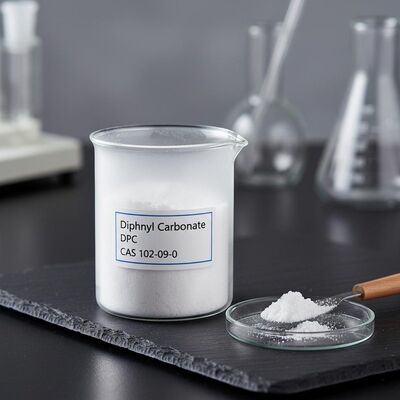
  • Reliable industrial grade handling: The white flaky crystal form offers excellent flowability and low dust generation, improving worker safety and simplifying large-scale material transfer in refinery settings.
Product Introduction
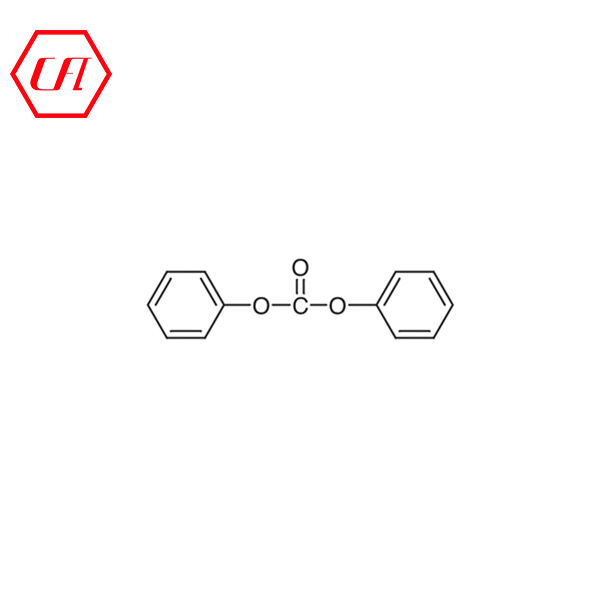
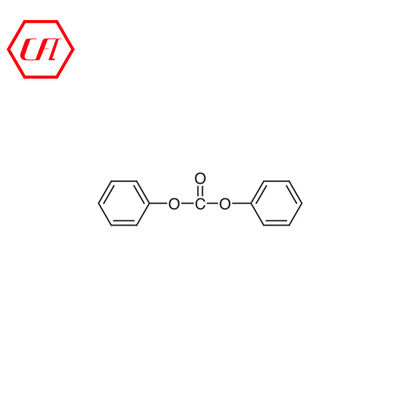
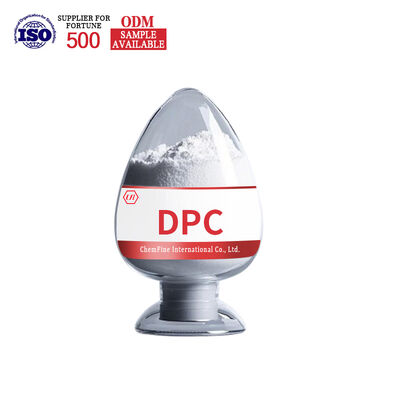
Diphenyl Carbonate (DPC), identified by CAS 102-09-0, is a fundamental organic compound used extensively as an intermediate in the plastics and polymer industries. Appearing as white flaky crystals with the molecular formula C13H10O3, DPC is the preferred monomer for "green" synthesis of polycarbonates via the melt transesterification process. Unlike traditional methods, this route avoids highly toxic materials, making DPC a cornerstone of sustainable industrial chemistry. Its high melting point, combined with excellent solubility in organic solvents, also makes it valuable for synthesizing specialized plasticizers, solvents, and pharmaceutical precursors.
Basic Physical Properties
Property Value/Description
CAS Number 102-09-0
EINECS Number 203-005-8
Molecular Formula C13H10O3
Appearance White flaky crystal
Molecular Weight 214.22 g/mol
Melting Point 78-81 °C
Boiling Point 301-302 °C
Density (25°C) 1.12 g/cm³
Technical Specifications
ITEM SPECIFICATION
Product Name Diphenyl Carbonate
Purity ≥ 99%
Color (APHA) ≤ 50
Phenol ≤ 0.8%
Fe (Iron) ≤ 3 ppm
Applications
Polycarbonate (PC) Production
Primary monomer for melt transesterification process to produce high-impact, transparent engineering plastics used in automotive and electronic components.
Organic Synthesis Intermediate
Used as a reagent for producing specialized carbamates and other fine chemicals in the pharmaceutical industry.
Plasticizers and Solvents
Serves as an intermediate in manufacturing high-performance plasticizers that improve flexibility and durability of vinyl resins.
Polymer Processing Aid
Acts as a stabilizer or processing additive in specific high-temperature resin formulations to maintain thermal integrity.
Packaging & Logistics
  • Standard Packaging: 25 kg fiber drums or 500 kg jumbo bags
  • Bulk Solutions: ISO tanks available for liquid-phase transport (heated)
  • Shipping Status: Not classified as hazardous for transport under standard conditions
  • Storage: Store in cool, dry, well-ventilated area. Keep containers tightly closed away from strong oxidizing agents or moisture to prevent hydrolysis
Synonyms
DPC; Carbonic acid diphenyl ester; Diphenyl ester of carbonic acid; Phenyl carbonate
Matching Materials
  • Bisphenol A (BPA): Primary co-reactant paired with DPC in transesterification process to produce Polycarbonate
  • Transesterification Catalysts: Such as sodium hydroxide or lithium hydroxide, used to initiate reaction between DPC and diols
  • Optical Stabilizers: Often added to DPC-based resin blends to enhance UV resistance
  • Phenol Recovery Systems: Essential in plants using DPC to recycle phenol byproduct generated during polymerization
Frequently Asked Questions
Q: Why is the Fe (Iron) content so low in your DPC?
A: Iron acts as a catalyst for polycarbonate degradation at high temperatures. By keeping Fe ≤ 3 ppm, we ensure resulting plastic maintains crystal-clear color and high impact strength.
Q: Is DPC more "green" than other monomers?
A: Yes. Using DPC for the melt process allows manufacturers to produce Polycarbonate without hazardous phosgene, significantly improving environmental and safety profiles of production facilities.
Good price  online

Products Details

Home > Products >
Miscellaneous Chemical
>
Diphenyl Carbonate DPC CAS 102-09-0

Diphenyl Carbonate DPC CAS 102-09-0

Brand Name: Chemfine
MOQ: 200 kg
Price: $1,500.00 – $2,100.00 / Metric Ton
Packaging Details: 25 kg fiber drums or 500 kg jumbo bags.
Payment Terms: L/C,T/T
Detail Information
Place of Origin:
China
Brand Name:
Chemfine
Minimum Order Quantity:
200 kg
Price:
$1,500.00 – $2,100.00 / Metric Ton
Packaging Details:
25 kg fiber drums or 500 kg jumbo bags.
Delivery Time:
7DAY
Payment Terms:
L/C,T/T
Supply Ability:
Mass Production / Ready for Global Export
Highlight:

Diphenyl Carbonate DPC chemical

,

Diphenyl Carbonate CAS 102-09-0

,

DPC industrial chemical compound

Product Description
Diphenyl Carbonate DPC CAS 102-09-0
Product Selling Points
  • Essential for sustainable polymer production: High purity diphenyl carbonate serves as the primary building block for non-phosgene synthesis of polycarbonate resins, enabling safer and more environmentally conscious manufacturing cycles.
  • Superior optical clarity for finished products: With iron levels strictly maintained below 3 ppm, our DPC ensures downstream plastics retain maximum transparency and resist thermal yellowing during processing.
  • Optimized for high molecular weight resins: Maintaining purity levels ≥99% and limiting phenol impurities to ≤0.8% provides consistent reactivity needed for high-performance engineering plastics.
  • Reliable industrial grade handling: The white flaky crystal form offers excellent flowability and low dust generation, improving worker safety and simplifying large-scale material transfer in refinery settings.
Product Introduction
Diphenyl Carbonate (DPC), identified by CAS 102-09-0, is a fundamental organic compound used extensively as an intermediate in the plastics and polymer industries. Appearing as white flaky crystals with the molecular formula C13H10O3, DPC is the preferred monomer for "green" synthesis of polycarbonates via the melt transesterification process. Unlike traditional methods, this route avoids highly toxic materials, making DPC a cornerstone of sustainable industrial chemistry. Its high melting point, combined with excellent solubility in organic solvents, also makes it valuable for synthesizing specialized plasticizers, solvents, and pharmaceutical precursors.
Basic Physical Properties
Property Value/Description
CAS Number 102-09-0
EINECS Number 203-005-8
Molecular Formula C13H10O3
Appearance White flaky crystal
Molecular Weight 214.22 g/mol
Melting Point 78-81 °C
Boiling Point 301-302 °C
Density (25°C) 1.12 g/cm³
Technical Specifications
ITEM SPECIFICATION
Product Name Diphenyl Carbonate
Purity ≥ 99%
Color (APHA) ≤ 50
Phenol ≤ 0.8%
Fe (Iron) ≤ 3 ppm
Applications
Polycarbonate (PC) Production
Primary monomer for melt transesterification process to produce high-impact, transparent engineering plastics used in automotive and electronic components.
Organic Synthesis Intermediate
Used as a reagent for producing specialized carbamates and other fine chemicals in the pharmaceutical industry.
Plasticizers and Solvents
Serves as an intermediate in manufacturing high-performance plasticizers that improve flexibility and durability of vinyl resins.
Polymer Processing Aid
Acts as a stabilizer or processing additive in specific high-temperature resin formulations to maintain thermal integrity.
Packaging & Logistics
  • Standard Packaging: 25 kg fiber drums or 500 kg jumbo bags
  • Bulk Solutions: ISO tanks available for liquid-phase transport (heated)
  • Shipping Status: Not classified as hazardous for transport under standard conditions
  • Storage: Store in cool, dry, well-ventilated area. Keep containers tightly closed away from strong oxidizing agents or moisture to prevent hydrolysis
Synonyms
DPC; Carbonic acid diphenyl ester; Diphenyl ester of carbonic acid; Phenyl carbonate
Matching Materials
  • Bisphenol A (BPA): Primary co-reactant paired with DPC in transesterification process to produce Polycarbonate
  • Transesterification Catalysts: Such as sodium hydroxide or lithium hydroxide, used to initiate reaction between DPC and diols
  • Optical Stabilizers: Often added to DPC-based resin blends to enhance UV resistance
  • Phenol Recovery Systems: Essential in plants using DPC to recycle phenol byproduct generated during polymerization
Frequently Asked Questions
Q: Why is the Fe (Iron) content so low in your DPC?
A: Iron acts as a catalyst for polycarbonate degradation at high temperatures. By keeping Fe ≤ 3 ppm, we ensure resulting plastic maintains crystal-clear color and high impact strength.
Q: Is DPC more "green" than other monomers?
A: Yes. Using DPC for the melt process allows manufacturers to produce Polycarbonate without hazardous phosgene, significantly improving environmental and safety profiles of production facilities.