logo
Good price  online

products details

Home > Products >
Food Additives
>
High Purity 99.5% Triacetin CAS 102-76-1 Food Grade Glycerol Triacetate

High Purity 99.5% Triacetin CAS 102-76-1 Food Grade Glycerol Triacetate

Brand Name: Chemfine
Detail Information
Place of Origin:
China
Highlight:

High purity triacetin food additive

,

99.5% glycerol triacetate CAS 102-76-1

,

Food grade triacetin with warranty

Product Description
Product Introduction

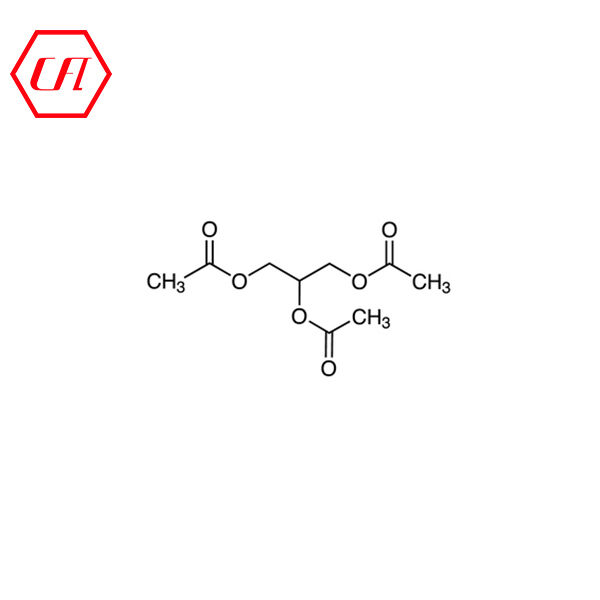
Triacetin (CAS 102-76-1), also known as Glycerol Triacetate, is the triester of glycerol and acetic acid. It is a colorless, odorless, and oily liquid with a slight sweet taste. Recognized for its excellent solvency and safety profile (GRAS status), Triacetin is a multifunctional ingredient. Its primary global use is as a plasticizer for cellulose acetate in cigarette filter rods, providing the necessary rigidity. Additionally, it is widely utilized in the food industry as a carrier for flavors (E1518), in pharmaceuticals as a solvent and antifungal agent, and in cosmetics as a fixative and humectant.

Product Selling Points

1. Optimized Bonding for Tobacco Filters

  • Advantage: Provides consistent and rapid bonding of cellulose acetate fibers.

  • Benefit: Superior Filter Integrity: Ensures cigarette filters maintain their shape and filtration efficiency, meeting high-speed production requirements in the tobacco industry.

2. Food & Pharma Grade Safety

  • Advantage: Our Triacetin complies with Food Chemicals Codex (FCC) and United States Pharmacopeia (USP) standards.

  • Benefit: Consumer Confidence: Safe for use as a flavor carrier in beverages, candies, and as an excipient in pharmaceutical coatings, ensuring no off-notes or toxic impurities.

3. High Boiling Point & Excellent Solvency

  • Advantage: Low volatility combined with a wide range of solubility for organic compounds.

  • Benefit: Formula Stability: Acts as an ideal fixative in perfumes and a stable plasticizer in food-contact plastics, preventing ingredient migration and extending product shelf life.

Basic Physical Properties
PropertyValue/Description
CAS Number102-76-1
EINECS Number203-051-9
Molecular FormulaC9H14O6
Molecular Weight218.21
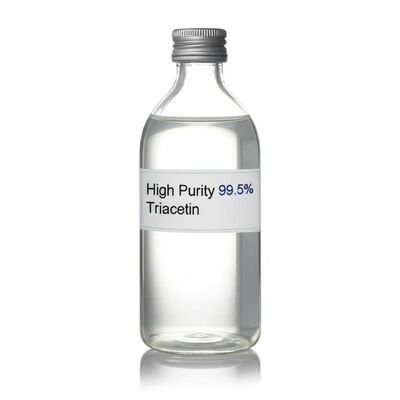
AppearanceColorless clear oily liquid
Boiling Point258 - 259 C
Density (25 C)1.155 - 1.160 g/cm3
Flash Point138 C (Closed Cup)
SolubilitySoluble in water (64 g/L); Miscible in alcohol and ether
Certificate of Analysis (COA)
Test ItemSpecification StandardActual Result
AppearanceColorless Oily LiquidPass
Assay≥ 99.5%99.82%
Moisture≤ 0.1%0.04%
Acidity (as Acetic Acid)≤ 0.005%0.002%
Color (APHA)≤ 15< 10
Refractive Index (20 C)1.430 - 1.4341.432
Applications

Tobacco Industry

The essential plasticizer and hardening agent for cellulose acetate cigarette filter tows.

Food Industry (E1518)

Used as a carrier for food-grade flavors and essences, and as a humectant in baked goods.

Pharmaceuticals

Functions as a plasticizer for tablet coatings and a solvent in various topical antifungal medications.

Cosmetics & Fragrances

Acts as a fixative in perfumes to slow down the evaporation of volatile scents and as a skin-conditioning agent.

Packaging & Storage
  • Packaging: 240kg net weight in UN-certified iron drums; 1150kg IBC tanks; or 22-ton ISO tanks.

  • Storage: Store in a cool, dry, and well-ventilated area. Crucial: Triacetin is slightly hygroscopic and can undergo slow hydrolysis if exposed to excessive moisture over long periods. Keep containers tightly sealed and away from strong oxidizing agents and high heat.

Synonyms

Triacetin; Glycerol triacetate; Glyceryl triacetate; 1,2,3-Propanetriol triacetate.

Matching Materials
  • Glycerin (CAS 56-81-5) —— The raw material for Triacetin production.

  • Acetic Anhydride (CAS 108-24-7) —— Used in the esterification of glycerin.

  • Cellulose Acetate (CAS 9004-35-7) —— The polymer plasticized by Triacetin in filters.

  • Ethyl Acetate (CAS 141-78-6) —— Often used in flavor solvent blends.

  • Metformin Hydrochloride (CAS 1115-70-4) —— Sometimes used in tablet coatings where Triacetin is the plasticizer.

FAQ

Q: Where can I find the EINECS number for Triacetin?

A: The EINECS number is 203-051-9, as listed in our physical properties table.

Q: Is Triacetin safe for food contact?

A: Yes, Triacetin is generally recognized as safe (GRAS) by the FDA and is an approved food additive (E1518) in the EU for use as a carrier solvent.

Q: Why is Triacetin used in cigarette filters?

A: It acts as a solvent-plasticizer that partially dissolves the surface of cellulose acetate fibers, causing them to fuse together to form a rigid, effective filter rod.

Q: Does it have a strong smell?

A: High-purity Triacetin is virtually odorless. Any strong acidic smell would indicate the presence of free acetic acid from hydrolysis or poor manufacturing.

Good price  online

Products Details

Home > Products >
Food Additives
>
High Purity 99.5% Triacetin CAS 102-76-1 Food Grade Glycerol Triacetate

High Purity 99.5% Triacetin CAS 102-76-1 Food Grade Glycerol Triacetate

Brand Name: Chemfine
Detail Information
Place of Origin:
China
Brand Name:
Chemfine
Highlight:

High purity triacetin food additive

,

99.5% glycerol triacetate CAS 102-76-1

,

Food grade triacetin with warranty

Product Description
Product Introduction

Triacetin (CAS 102-76-1), also known as Glycerol Triacetate, is the triester of glycerol and acetic acid. It is a colorless, odorless, and oily liquid with a slight sweet taste. Recognized for its excellent solvency and safety profile (GRAS status), Triacetin is a multifunctional ingredient. Its primary global use is as a plasticizer for cellulose acetate in cigarette filter rods, providing the necessary rigidity. Additionally, it is widely utilized in the food industry as a carrier for flavors (E1518), in pharmaceuticals as a solvent and antifungal agent, and in cosmetics as a fixative and humectant.

Product Selling Points

1. Optimized Bonding for Tobacco Filters

  • Advantage: Provides consistent and rapid bonding of cellulose acetate fibers.

  • Benefit: Superior Filter Integrity: Ensures cigarette filters maintain their shape and filtration efficiency, meeting high-speed production requirements in the tobacco industry.

2. Food & Pharma Grade Safety

  • Advantage: Our Triacetin complies with Food Chemicals Codex (FCC) and United States Pharmacopeia (USP) standards.

  • Benefit: Consumer Confidence: Safe for use as a flavor carrier in beverages, candies, and as an excipient in pharmaceutical coatings, ensuring no off-notes or toxic impurities.

3. High Boiling Point & Excellent Solvency

  • Advantage: Low volatility combined with a wide range of solubility for organic compounds.

  • Benefit: Formula Stability: Acts as an ideal fixative in perfumes and a stable plasticizer in food-contact plastics, preventing ingredient migration and extending product shelf life.

Basic Physical Properties
PropertyValue/Description
CAS Number102-76-1
EINECS Number203-051-9
Molecular FormulaC9H14O6
Molecular Weight218.21
AppearanceColorless clear oily liquid
Boiling Point258 - 259 C
Density (25 C)1.155 - 1.160 g/cm3
Flash Point138 C (Closed Cup)
SolubilitySoluble in water (64 g/L); Miscible in alcohol and ether
Certificate of Analysis (COA)
Test ItemSpecification StandardActual Result
AppearanceColorless Oily LiquidPass
Assay≥ 99.5%99.82%
Moisture≤ 0.1%0.04%
Acidity (as Acetic Acid)≤ 0.005%0.002%
Color (APHA)≤ 15< 10
Refractive Index (20 C)1.430 - 1.4341.432
Applications

Tobacco Industry

The essential plasticizer and hardening agent for cellulose acetate cigarette filter tows.

Food Industry (E1518)

Used as a carrier for food-grade flavors and essences, and as a humectant in baked goods.

Pharmaceuticals

Functions as a plasticizer for tablet coatings and a solvent in various topical antifungal medications.

Cosmetics & Fragrances

Acts as a fixative in perfumes to slow down the evaporation of volatile scents and as a skin-conditioning agent.

Packaging & Storage
  • Packaging: 240kg net weight in UN-certified iron drums; 1150kg IBC tanks; or 22-ton ISO tanks.

  • Storage: Store in a cool, dry, and well-ventilated area. Crucial: Triacetin is slightly hygroscopic and can undergo slow hydrolysis if exposed to excessive moisture over long periods. Keep containers tightly sealed and away from strong oxidizing agents and high heat.

Synonyms

Triacetin; Glycerol triacetate; Glyceryl triacetate; 1,2,3-Propanetriol triacetate.

Matching Materials
  • Glycerin (CAS 56-81-5) —— The raw material for Triacetin production.

  • Acetic Anhydride (CAS 108-24-7) —— Used in the esterification of glycerin.

  • Cellulose Acetate (CAS 9004-35-7) —— The polymer plasticized by Triacetin in filters.

  • Ethyl Acetate (CAS 141-78-6) —— Often used in flavor solvent blends.

  • Metformin Hydrochloride (CAS 1115-70-4) —— Sometimes used in tablet coatings where Triacetin is the plasticizer.

FAQ

Q: Where can I find the EINECS number for Triacetin?

A: The EINECS number is 203-051-9, as listed in our physical properties table.

Q: Is Triacetin safe for food contact?

A: Yes, Triacetin is generally recognized as safe (GRAS) by the FDA and is an approved food additive (E1518) in the EU for use as a carrier solvent.

Q: Why is Triacetin used in cigarette filters?

A: It acts as a solvent-plasticizer that partially dissolves the surface of cellulose acetate fibers, causing them to fuse together to form a rigid, effective filter rod.

Q: Does it have a strong smell?

A: High-purity Triacetin is virtually odorless. Any strong acidic smell would indicate the presence of free acetic acid from hydrolysis or poor manufacturing.