logo
Good price  online

products details

Home > Products >
Miscellaneous Chemical
>
Sodium trifluoromethanesulfinate Langlois Reagent CAS 2926-29-6

Sodium trifluoromethanesulfinate Langlois Reagent CAS 2926-29-6

Brand Name: Chemfine
Detail Information
Place of Origin:
China
Highlight:

Sodium trifluoromethanesulfinate reagent CAS 2926-29-6

,

Langlois reagent chemical CAS 2926-29-6

,

Trifluoromethanesulfinate reagent for synthesis

Product Description
Product Introduction

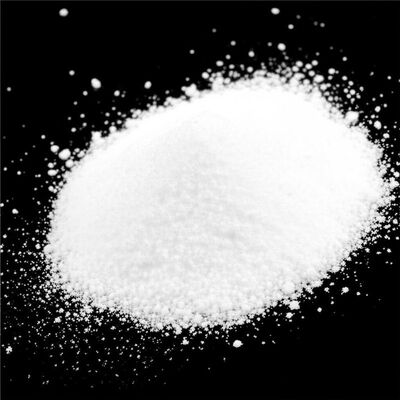
Sodium trifluoromethanesulfinate (CAS 2926-29-6), commonly referred to as the Langlois Reagent, is a white to off-white crystalline powder. It is a stable, solid-state source of the trifluoromethyl (CF3) radical. Unlike gaseous trifluoromethylation agents, Sodium trifluoromethanesulfinate (CAS 2926-29-6) is air-stable and can be handled without specialized equipment at room temperature. It has revolutionized the way trifluoromethyl groups are introduced into organic molecules, particularly heterocycles, under mild and environmentally friendly conditions.

Product Selling Points
  • Superior Stability: An air-stable solid that is easy to weigh and store, eliminating the need for high-pressure gas handling.

  • Mild Reaction Conditions: Generates CF3 radicals at room temperature using inexpensive oxidants like tert-butyl hydroperoxide (TBHP).

  • Broad Functional Group Tolerance: Compatible with a wide variety of chemical structures, making it ideal for late-stage functionalization of complex molecules.

  • High Efficiency: Provides excellent yields in the trifluoromethylation of electron-rich heterocycles.

  • Cost-Effective: Offers a more economical and accessible route to trifluoromethylated products compared to traditional organometallic reagents.

  • High Purity (greater than or equal to 98.0%): Chemfine provides electronic and pharmaceutical-grade material with strictly controlled moisture levels.


Applications

Pharmaceutical Intermediate Synthesis

Used as a critical reagent to introduce trifluoromethyl groups into drug candidates to improve their metabolic stability and lipophilicity.

Agrochemical Development

Functions as an efficient trifluoromethylating agent for the production of advanced herbicides and fungicides that require specific fluorine-driven bioactivity.

Material Science and Specialty Polymers

Utilized to modify the surface properties of polymers and create high-performance electronic materials with enhanced thermal and chemical resistance.

Late-Stage Functionalization

Enables the direct trifluoromethylation of C-H bonds in complex organic molecules without the need for pre-functionalized starting materials.


Packaging

Standard industrial packaging options for Sodium trifluoromethanesulfinate include:

  • 1kg or 5kg high-purity HDPE bottles for laboratory research and development.

  • 25kg UN-approved fiber drums with anti-static and moisture-barrier plastic liners for industrial production.

  • Custom small-volume packaging for high-value pilot testing and pharmaceutical research.

  • All packaging is vacuum-sealed or nitrogen-purged to maintain the chemical activity of the sulfinate group.


Storage

Sodium trifluoromethanesulfinate should be stored in a cool, dry, and well-ventilated warehouse. Containers must be kept tightly sealed when not in use. While the product is stable under ambient conditions, it is hygroscopic and should be protected from excessive moisture and humidity. Store away from strong oxidizing agents and strong acids. Properly stored in its original, unopened container, it has a shelf life of at least 24 months.


Synonyms

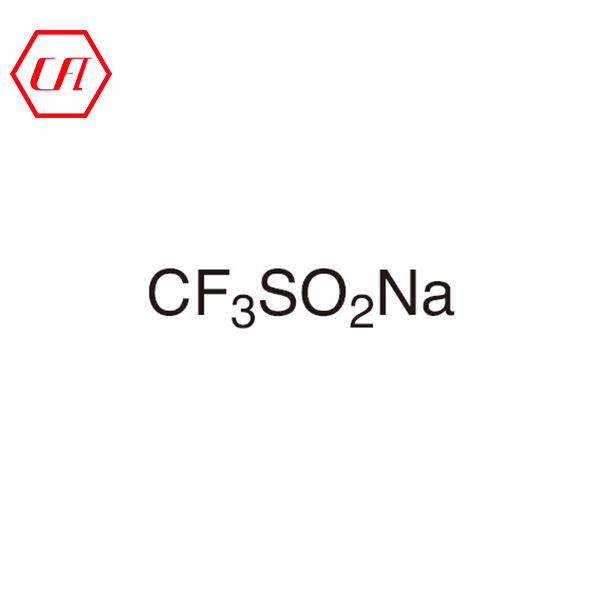
Langlois Reagent, Trifluoromethanesulfinic acid sodium salt, Sodium CF3-sulfinate, CF3SO2Na.


Basic Physical Properties
Property Value/Description
CAS Number 2926-29-6
Molecular Formula CF3SO2Na
Molecular Weight 156.06
Appearance White to off-white crystalline powder
Melting Point greater than 250 degrees C
Solubility Soluble in water, methanol, and acetonitrile
Stability Air-stable, moisture-sensitive

Certificate of Analysis (COA)
Test Item Specification Standard
Appearance White Crystalline Powder
Assay (HPLC/Titration) greater than or equal to 98.0%
Moisture (KF) less than or equal to 0.5%
Chloride (Cl) less than or equal to 0.05%
Sulfonyl Impurity less than or equal to 1.0%
pH (1% water solution) 7.0 - 9.0

Related and Similar Products
  1. Potassium trifluoromethanesulfinate – CAS 2926-28-5

  2. Trifluoromethanesulfonic acid (TfOH) – CAS 1493-13-5

  3. Sodium nonafluorobutanesulfinate – CAS 103061-00-5

  4. Zinc trifluoromethanesulfinate (Ruppert-Prakash Reagent) – CAS 156150-67-1

  5. Trifluoromethyl iodide (FIC-1311) – CAS 2314-97-8

  6. Sodium trifluoromethanesulfonate (TfONa) – CAS 2926-30-9

  7. N-Fluorobenzenesulfonimide (NFSI) – CAS 133745-75-2

  8. Selectfluor – CAS 140681-55-6

  9. Umemoto Reagent – CAS 106146-39-6

  10. Togni Reagent – CAS 887144-97-0


FAQ

Pharmaceutical Intermediate Synthesis

  • Q: Why is the Langlois Reagent preferred over other CF3 sources in drug design?

  • A: It allows for the direct addition of the CF3 group to heterocycles in a single step under mild conditions, which is much safer and more efficient than using hazardous gases or multi-step organometallic routes.

Agrochemical Development

  • Q: Does this reagent work effectively on nitrogen-containing heterocycles like pyridines?

  • A: Yes, Sodium trifluoromethanesulfinate is exceptionally effective for the regioselective trifluoromethylation of pyridines, quinolines, and pyrimidines used in agrochemicals.

Material Science and Specialty Polymers

  • Q: Can this reagent be used to modify polymer surfaces?

  • A: Yes, it can be utilized in radical-based grafting processes to introduce trifluoromethyl groups onto polymer backbones, enhancing water repellency and surface stability.

Late-Stage Functionalization

  • Q: Do I need to use anhydrous solvents for the Langlois reaction?

  • A: While the reagent is moisture-sensitive during long-term storage, the actual radical trifluoromethylation reaction is often performed in biphasic mixtures of water and organic solvents like dichloromethane or acetonitrile.

Good price  online

Products Details

Home > Products >
Miscellaneous Chemical
>
Sodium trifluoromethanesulfinate Langlois Reagent CAS 2926-29-6

Sodium trifluoromethanesulfinate Langlois Reagent CAS 2926-29-6

Brand Name: Chemfine
Detail Information
Place of Origin:
China
Brand Name:
Chemfine
Highlight:

Sodium trifluoromethanesulfinate reagent CAS 2926-29-6

,

Langlois reagent chemical CAS 2926-29-6

,

Trifluoromethanesulfinate reagent for synthesis

Product Description
Product Introduction

Sodium trifluoromethanesulfinate (CAS 2926-29-6), commonly referred to as the Langlois Reagent, is a white to off-white crystalline powder. It is a stable, solid-state source of the trifluoromethyl (CF3) radical. Unlike gaseous trifluoromethylation agents, Sodium trifluoromethanesulfinate (CAS 2926-29-6) is air-stable and can be handled without specialized equipment at room temperature. It has revolutionized the way trifluoromethyl groups are introduced into organic molecules, particularly heterocycles, under mild and environmentally friendly conditions.

Product Selling Points
  • Superior Stability: An air-stable solid that is easy to weigh and store, eliminating the need for high-pressure gas handling.

  • Mild Reaction Conditions: Generates CF3 radicals at room temperature using inexpensive oxidants like tert-butyl hydroperoxide (TBHP).

  • Broad Functional Group Tolerance: Compatible with a wide variety of chemical structures, making it ideal for late-stage functionalization of complex molecules.

  • High Efficiency: Provides excellent yields in the trifluoromethylation of electron-rich heterocycles.

  • Cost-Effective: Offers a more economical and accessible route to trifluoromethylated products compared to traditional organometallic reagents.

  • High Purity (greater than or equal to 98.0%): Chemfine provides electronic and pharmaceutical-grade material with strictly controlled moisture levels.


Applications

Pharmaceutical Intermediate Synthesis

Used as a critical reagent to introduce trifluoromethyl groups into drug candidates to improve their metabolic stability and lipophilicity.

Agrochemical Development

Functions as an efficient trifluoromethylating agent for the production of advanced herbicides and fungicides that require specific fluorine-driven bioactivity.

Material Science and Specialty Polymers

Utilized to modify the surface properties of polymers and create high-performance electronic materials with enhanced thermal and chemical resistance.

Late-Stage Functionalization

Enables the direct trifluoromethylation of C-H bonds in complex organic molecules without the need for pre-functionalized starting materials.


Packaging

Standard industrial packaging options for Sodium trifluoromethanesulfinate include:

  • 1kg or 5kg high-purity HDPE bottles for laboratory research and development.

  • 25kg UN-approved fiber drums with anti-static and moisture-barrier plastic liners for industrial production.

  • Custom small-volume packaging for high-value pilot testing and pharmaceutical research.

  • All packaging is vacuum-sealed or nitrogen-purged to maintain the chemical activity of the sulfinate group.


Storage

Sodium trifluoromethanesulfinate should be stored in a cool, dry, and well-ventilated warehouse. Containers must be kept tightly sealed when not in use. While the product is stable under ambient conditions, it is hygroscopic and should be protected from excessive moisture and humidity. Store away from strong oxidizing agents and strong acids. Properly stored in its original, unopened container, it has a shelf life of at least 24 months.


Synonyms

Langlois Reagent, Trifluoromethanesulfinic acid sodium salt, Sodium CF3-sulfinate, CF3SO2Na.


Basic Physical Properties
Property Value/Description
CAS Number 2926-29-6
Molecular Formula CF3SO2Na
Molecular Weight 156.06
Appearance White to off-white crystalline powder
Melting Point greater than 250 degrees C
Solubility Soluble in water, methanol, and acetonitrile
Stability Air-stable, moisture-sensitive

Certificate of Analysis (COA)
Test Item Specification Standard
Appearance White Crystalline Powder
Assay (HPLC/Titration) greater than or equal to 98.0%
Moisture (KF) less than or equal to 0.5%
Chloride (Cl) less than or equal to 0.05%
Sulfonyl Impurity less than or equal to 1.0%
pH (1% water solution) 7.0 - 9.0

Related and Similar Products
  1. Potassium trifluoromethanesulfinate – CAS 2926-28-5

  2. Trifluoromethanesulfonic acid (TfOH) – CAS 1493-13-5

  3. Sodium nonafluorobutanesulfinate – CAS 103061-00-5

  4. Zinc trifluoromethanesulfinate (Ruppert-Prakash Reagent) – CAS 156150-67-1

  5. Trifluoromethyl iodide (FIC-1311) – CAS 2314-97-8

  6. Sodium trifluoromethanesulfonate (TfONa) – CAS 2926-30-9

  7. N-Fluorobenzenesulfonimide (NFSI) – CAS 133745-75-2

  8. Selectfluor – CAS 140681-55-6

  9. Umemoto Reagent – CAS 106146-39-6

  10. Togni Reagent – CAS 887144-97-0


FAQ

Pharmaceutical Intermediate Synthesis

  • Q: Why is the Langlois Reagent preferred over other CF3 sources in drug design?

  • A: It allows for the direct addition of the CF3 group to heterocycles in a single step under mild conditions, which is much safer and more efficient than using hazardous gases or multi-step organometallic routes.

Agrochemical Development

  • Q: Does this reagent work effectively on nitrogen-containing heterocycles like pyridines?

  • A: Yes, Sodium trifluoromethanesulfinate is exceptionally effective for the regioselective trifluoromethylation of pyridines, quinolines, and pyrimidines used in agrochemicals.

Material Science and Specialty Polymers

  • Q: Can this reagent be used to modify polymer surfaces?

  • A: Yes, it can be utilized in radical-based grafting processes to introduce trifluoromethyl groups onto polymer backbones, enhancing water repellency and surface stability.

Late-Stage Functionalization

  • Q: Do I need to use anhydrous solvents for the Langlois reaction?

  • A: While the reagent is moisture-sensitive during long-term storage, the actual radical trifluoromethylation reaction is often performed in biphasic mixtures of water and organic solvents like dichloromethane or acetonitrile.