| Brand Name: | Chemfine |
| MOQ: | 1000 Kg |
| Price: | USD 1.2-1.6 / Kilograms |
| Packaging Details: | 25kg/drum |
| Payment Terms: | L/C,T/T |
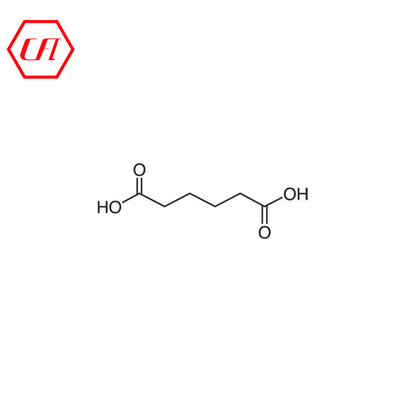
Adipic Acid, also known by its systematic name hexanedioic acid (CAS 124-04-9), is one of the most significant aliphatic dicarboxylic acids in the global chemical industry. Appearing as a white, crystalline powder with a mild acidic taste, Adipic Acid (CAS 124-04-9) serves as a foundational building block for high-performance polymers. It is primarily valued for its role in the synthesis of polyamides and polyurethanes, where it provides essential structural integrity and durability. Beyond polymer science, this versatile dicarboxyl compound is utilized for its buffering properties and as a reactive intermediate in a wide array of industrial chemical synthesis processes.
Nylon 66 Monomer Production The most significant application of this product is as a primary feedstock for the production of Nylon 66, which is widely used in automotive parts, high-strength fibers, and engineering plastics.
Polyurethane Intermediate It is a key component in the synthesis of polyester polyols, which are subsequently used to manufacture high-quality polyurethane elastomers, flexible foams, and specialty coatings.
Plasticizer Feedstock Adipic Acid is reacted with alcohols to produce adipate esters (such as DOA), which serve as premium plasticizers for PVC and other resins, offering superior low-temperature flexibility.
Industrial Ph Control and Buffering In various industrial processes, it is used as a high-efficiency acidulant and buffering agent to maintain precise pH levels in tanning, textile finishing, and metal cleaning.
Polyester Resin Manufacturing It is utilized to produce unsaturated polyester resins that require a specific balance of flexibility and chemical resistance for composite materials.
Standard industrial packaging options for Adipic Acid include:
Adipic Acid should be stored in a cool, dry, and well-ventilated warehouse. Keep the product away from strong oxidizing agents, strong bases, and moisture. It is important to prevent the formation of dust clouds, as high concentrations of organic dust can be combustible. Ensure the bags are stored on pallets to avoid contact with damp floors and maintain a consistent temperature to prevent caking.
Hexanedioic acid, AA, 1,4-Butanedicarboxylic acid, Hexane-1,6-dioic acid, Adipinic acid.
| Test Item | Specification Standard |
|---|---|
| Appearance | White crystalline powder |
| Purity (Content) | ≥ 99.8% |
| Moisture Content | ≤ 0.2% |
| Ash Content | ≤ 0.001% |
| Iron (Fe) | ≤ 0.2 ppm |
| Color (Platinum-Cobalt) | ≤ 5 |
| Melting Point Range | 151.5°C - 152.5°C |
| Brand Name: | Chemfine |
| MOQ: | 1000 Kg |
| Price: | USD 1.2-1.6 / Kilograms |
| Packaging Details: | 25kg/drum |
| Payment Terms: | L/C,T/T |
Adipic Acid, also known by its systematic name hexanedioic acid (CAS 124-04-9), is one of the most significant aliphatic dicarboxylic acids in the global chemical industry. Appearing as a white, crystalline powder with a mild acidic taste, Adipic Acid (CAS 124-04-9) serves as a foundational building block for high-performance polymers. It is primarily valued for its role in the synthesis of polyamides and polyurethanes, where it provides essential structural integrity and durability. Beyond polymer science, this versatile dicarboxyl compound is utilized for its buffering properties and as a reactive intermediate in a wide array of industrial chemical synthesis processes.
Nylon 66 Monomer Production The most significant application of this product is as a primary feedstock for the production of Nylon 66, which is widely used in automotive parts, high-strength fibers, and engineering plastics.
Polyurethane Intermediate It is a key component in the synthesis of polyester polyols, which are subsequently used to manufacture high-quality polyurethane elastomers, flexible foams, and specialty coatings.
Plasticizer Feedstock Adipic Acid is reacted with alcohols to produce adipate esters (such as DOA), which serve as premium plasticizers for PVC and other resins, offering superior low-temperature flexibility.
Industrial Ph Control and Buffering In various industrial processes, it is used as a high-efficiency acidulant and buffering agent to maintain precise pH levels in tanning, textile finishing, and metal cleaning.
Polyester Resin Manufacturing It is utilized to produce unsaturated polyester resins that require a specific balance of flexibility and chemical resistance for composite materials.
Standard industrial packaging options for Adipic Acid include:
Adipic Acid should be stored in a cool, dry, and well-ventilated warehouse. Keep the product away from strong oxidizing agents, strong bases, and moisture. It is important to prevent the formation of dust clouds, as high concentrations of organic dust can be combustible. Ensure the bags are stored on pallets to avoid contact with damp floors and maintain a consistent temperature to prevent caking.
Hexanedioic acid, AA, 1,4-Butanedicarboxylic acid, Hexane-1,6-dioic acid, Adipinic acid.
| Test Item | Specification Standard |
|---|---|
| Appearance | White crystalline powder |
| Purity (Content) | ≥ 99.8% |
| Moisture Content | ≤ 0.2% |
| Ash Content | ≤ 0.001% |
| Iron (Fe) | ≤ 0.2 ppm |
| Color (Platinum-Cobalt) | ≤ 5 |
| Melting Point Range | 151.5°C - 152.5°C |